What Is the Goal of Marketing?
Marketing plays a crucial role in every successful business. Whether you run a small ecommerce store, a startup, or a large corporation, marketing helps connect your products or services with the right customers. Your Marketing goal should be clear.
However, many people think marketing is only about advertising or selling. In reality, marketing has a much broader purpose. Its main goal is not just sales — it’s about creating value, building relationships, and driving sustainable business growth.
Understanding the true goal of marketing helps businesses develop stronger strategies and achieve long-term success.
The Core Goal of Marketing

The primary goal of marketing is simple:
👉 To attract, satisfy, and retain customers while creating value for both the business and the audience.
This means marketing focuses on:
- Understanding customer needs
- Delivering useful products or services
- Building trust and loyalty
- Encouraging repeat purchases
- Supporting long-term brand growth
Instead of short-term sales alone, effective marketing builds lasting relationships.
Why Marketing Goals Matter
Clear marketing goals guide business decisions and resource allocation.
When goals are defined properly, businesses can:
- Target the right audience
- Improve brand positioning
- Measure performance effectively
- Optimize marketing budgets
- Increase customer satisfaction
Without clear goals, marketing efforts often become scattered and ineffective.
For Marketing Services Come on Whatsapp: +923036364654
Major Goals of Marketing Explained
Although the core goal is customer value creation, marketing typically includes several specific objectives.
Let’s explore the most important ones.
1. Building Brand Awareness
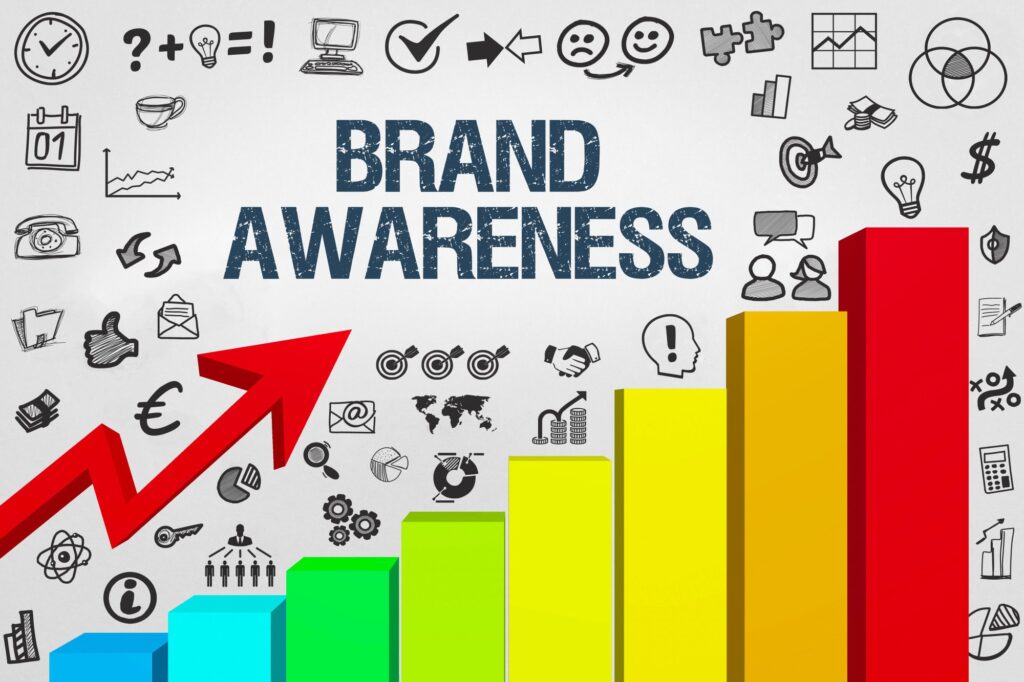
Before customers buy from you, they need to know you exist.
Brand awareness ensures your business becomes familiar and recognizable to potential customers.
Common methods include:
- Social media campaigns
- Content marketing
- Influencer collaborations
- SEO optimization
- Paid advertising
Strong brand awareness creates trust and credibility over time.
2. Generating Leads and Customers
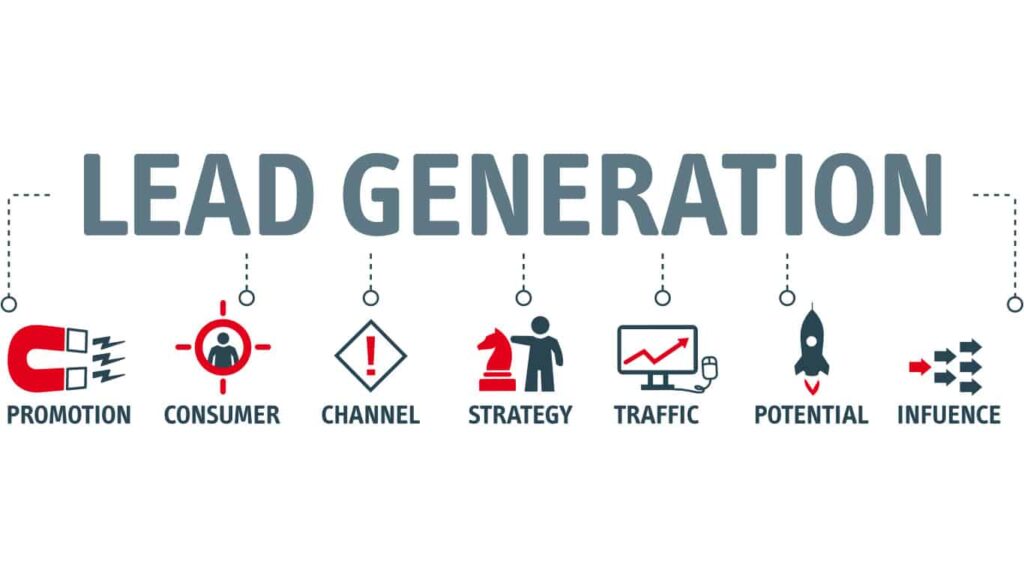
Another important goal is attracting potential buyers.
Lead generation focuses on identifying people interested in your products and guiding them toward purchase decisions.
Typical strategies include:
- Email marketing
- Landing pages
- Free offers or trials
- Targeted advertising
- Content marketing funnels
Effective lead generation increases sales opportunities.
3. Increasing Sales and Revenue
Sales growth is a direct outcome of successful marketing.
However, modern marketing focuses on value-driven selling rather than aggressive promotion.
Ways marketing boosts revenue include:
- Improving conversion rates
- Upselling and cross-selling
- Customer retention strategies
- Promotional campaigns
When customers trust your brand, sales grow naturally.
4. Building Customer Relationships
Long-term customer relationships are more profitable than one-time sales.
Marketing helps maintain these relationships through:
- Personalized communication
- Loyalty programs
- Customer support
- Community building
- Follow-up engagement
Satisfied customers often become brand advocates.
5. Understanding Customer Needs

Continuous customer understanding is essential.
Marketing research helps businesses:
- Track changing preferences
- Identify pain points
- Predict future trends
- Improve product development
Customer insight leads to smarter business decisions.
6. Creating Competitive Advantage
Marketing helps differentiate your business from competitors.
This includes:
- Unique brand positioning
- Better messaging
- Strong customer experience
- Innovative campaigns
A strong competitive advantage helps businesses thrive even in crowded markets.
7. Enhancing Customer Experience
Modern marketing prioritizes customer experience.
This involves:
- Easy website navigation
- Fast customer service
- Transparent communication
- Smooth purchasing processes
Positive experiences encourage repeat purchases and recommendations.
Short-Term vs Long-Term Marketing Goals

Marketing goals often fall into two categories.
Short-Term Goals:
- Running promotions
- Increasing immediate sales
- Launching new products
- Generating quick traffic
Long-Term Goals:
- Brand loyalty
- Market positioning
- Customer lifetime value
- Sustainable growth
Balancing both ensures business stability.
Digital Marketing Goals Today
With digital platforms dominating marketing, new goals have emerged.
These include:
- Online visibility and SEO ranking
- Social media engagement
- Data-driven decision making
- Conversion optimization
- Personalized customer journeys
Businesses that adapt digitally through gain competitive advantages by offering more accessible and scalable user solutions.
Common Misconceptions About Marketing Goals
Some myths often create confusion.
Myth 1: Marketing equals advertising
Reality: Advertising is just one part of marketing.
Myth 2: Marketing only increases sales
Reality: It also builds brand value and relationships.
Myth 3: Marketing results are immediate
Reality: Sustainable marketing takes time.
Understanding these differences helps set realistic expectations.
Real-Life Example
Imagine you run an online clothing store.
Marketing goals might include:
- Increasing brand visibility on Instagram
- Ranking product pages on Google
- Building email subscribers
- Improving customer loyalty
- Growing monthly revenue
Each goal contributes to overall business success.
How to Set Effective Marketing Goals
For better results, follow these tips:
✔ Make goals specific and measurable
✔ Align goals with business objectives
✔ Track performance regularly
✔ Adjust strategies based on data
✔ Focus on customer value first
Clear goals improve marketing efficiency.
Final Thoughts
So, what is the goal of marketing?
Simply put:
👉 To understand customers, deliver value, build relationships, and drive sustainable business growth.
Marketing is not just promotion — it’s a strategic process that shapes how businesses connect with their audience.
When done correctly, marketing leads to:
- Stronger brand presence
- Higher customer trust
- Increased profitability
- Long-term business success
Businesses that prioritize customer value always win in the long run.