

What Is the Digital Marketing Strategy That Tracks Users Across the Web?
Modern digital marketing relies heavily on data to deliver relevant advertisements and personalized experiences. As consumers browse websites, use apps, and interact with online content, marketers collect information to better understand their interests and behaviors. This often leads people to ask: what is the digital marketing strategy that tracks users across the web?
The most common answer is behavioral targeting, often supported by technologies such as cookies, tracking pixels, and advertising networks. This strategy allows marketers to show personalized advertisements based on a user’s online activity.
Understanding Behavioral Targeting
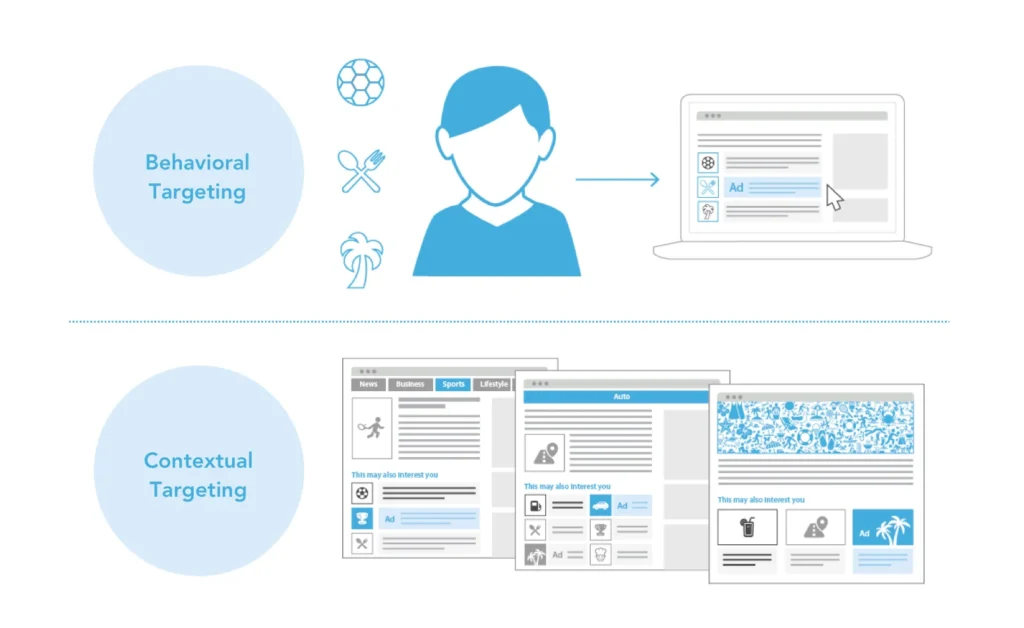
When discussing what is the digital marketing strategy that tracks users across the web, behavioral targeting is usually the primary concept.
Behavioral targeting involves:
- Monitoring browsing behavior
- Analyzing interests and preferences
- Delivering personalized advertisements
- Improving marketing effectiveness
The goal is to show users ads that are more relevant to their interests.
How User Tracking Works
Tracking technologies collect information as users move between websites and digital platforms.
Common tracking methods include:
- Browser cookies
- Tracking pixels
- Device identifiers
- Advertising IDs
These technologies help advertisers understand user behavior and create targeted marketing campaigns.
1. Retargeting Is a Popular Tracking Strategy
One of the most common applications of behavioral tracking is retargeting.
Retargeting allows advertisers to:
- Reach previous website visitors
- Remind users about products they viewed
- Encourage completed purchases
- Increase conversion rates
For example, after visiting an online store, users may later see advertisements for the same products on other websites.
2. Cookies Play a Major Role
Cookies are small files stored in a user’s browser.
They help websites:
- Remember user preferences
- Track browsing sessions
- Analyze visitor behavior
- Support personalized advertising
Cookies have long been a key component of digital advertising systems.
3. Advertising Networks Connect Data
Large advertising platforms help marketers reach audiences across multiple websites.
Examples include:
These platforms use data to help advertisers target relevant audiences.
4. Personalization Improves Marketing Results
A major reason businesses use tracking-based marketing is personalization.
Benefits include:
- More relevant advertisements
- Better customer experiences
- Higher engagement rates
- Improved conversion opportunities
Consumers are often more likely to interact with content that matches their interests.
5. Privacy Concerns Have Increased
While discussing what is the digital marketing strategy that tracks users across the web, privacy concerns are important to consider.
Common concerns include:
- Data collection transparency
- User consent
- Information security
- Online privacy rights
Many governments have introduced regulations to protect consumer data.
6. Modern Regulations Affect Tracking
Privacy laws have changed how businesses collect and use user information.
Examples include:
- General Data Protection Regulation (GDPR)
- California Consumer Privacy Act (CCPA)
These regulations require greater transparency regarding data collection practices.
7. The Future of User Tracking
Digital marketing continues evolving as privacy expectations increase.
Emerging trends include:
- First-party data collection
- Privacy-focused advertising
- Contextual targeting
- Cookieless tracking solutions
Businesses are adapting to balance personalization and privacy.
Benefits of Behavioral Targeting
Companies use behavioral targeting because it can:
- Improve advertising efficiency
- Reduce irrelevant ads
- Increase return on investment (ROI)
- Enhance customer engagement
Targeted campaigns often perform better than generic advertising.
Challenges of Tracking Users Across the Web
Despite its advantages, user tracking presents challenges such as:
- Privacy concerns
- Regulatory compliance
- Ad-blocking technologies
- Reduced third-party cookie support
Marketers must adapt to changing technologies and consumer expectations.
Conclusion
If you’re wondering what is the digital marketing strategy that tracks users across the web, the answer is generally behavioral targeting, often combined with retargeting, cookies, and advertising network technologies. This strategy helps marketers deliver personalized ads based on user behavior across multiple websites.
While behavioral targeting can improve advertising effectiveness, businesses must also respect privacy regulations and provide transparency regarding how user data is collected and used.
FAQs
What is the digital marketing strategy that tracks users across the web?
Behavioral targeting is the primary strategy used to track and understand user behavior across websites.
What is retargeting?
Retargeting is a form of advertising that shows ads to users who previously visited a website or interacted with a brand.
Do cookies track users online?
Yes, cookies can help websites and advertisers track browsing activity and personalize experiences.
Is user tracking legal?
User tracking can be legal when businesses follow privacy regulations and obtain required user consent.