What Is Strategic Marketing?
In today’s competitive business environment, success rarely happens by chance. Brands that grow consistently don’t just promote products randomly — they follow a carefully planned approach called strategic marketing. This approach helps businesses understand their customers, analyze the market, and create long-term plans that drive sustainable growth.
Strategic marketing is not just about advertising or selling. Instead, it focuses on planning, positioning, and delivering value in a way that builds strong customer relationships over time.
Whether you run a startup, ecommerce store, or established company, strategic marketing can help you stay ahead of competitors and achieve long-term success.
Understanding Strategic Marketing in Simple Terms
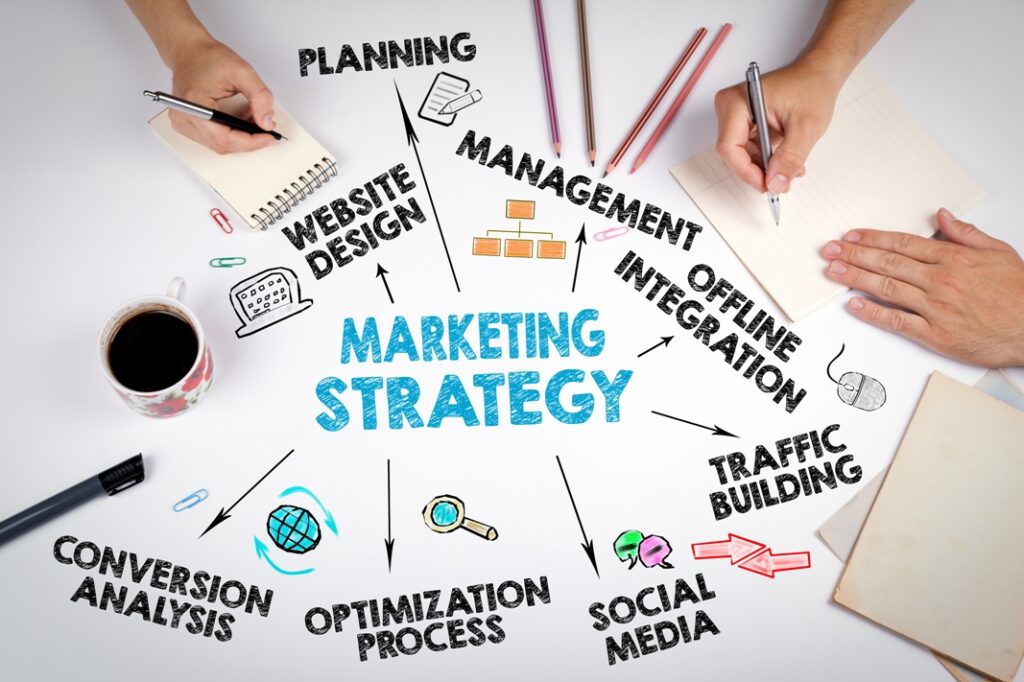
Strategic marketing is the process of planning and implementing marketing activities based on research, goals, and customer insights rather than guesswork. It involves analyzing your target market, understanding customer needs, identifying competitors, and designing strategies that align with business objectives.
Instead of asking:
“How do we sell this product today?”
Strategic marketing asks:
“How do we build a brand customers trust for years?”
This shift from short-term selling to long-term relationship building is what makes strategic marketing powerful.
Why Strategic Marketing Is Important
Many businesses fail not because their products are bad, but because their marketing lacks direction. Strategic marketing ensures your efforts are focused, measurable, and aligned with your goals.
Here’s why it matters:
1. Provides Clear Direction
A well-defined strategy guides all marketing activities, preventing wasted time and budget.
2. Builds Strong Brand Identity
Strategic planning helps create consistent messaging and brand positioning.
3. Improves Customer Understanding
Research-based marketing helps you connect better with your audience.
4. Increases Competitive Advantage
Knowing your competitors allows you to highlight what makes your brand unique.
5. Supports Long-Term Growth
Rather than chasing quick sales, strategic marketing focuses on sustainable success.
Businesses that adopt strategic marketing often experience stronger brand loyalty and steady revenue growth.
Key Elements of Strategic Marketing
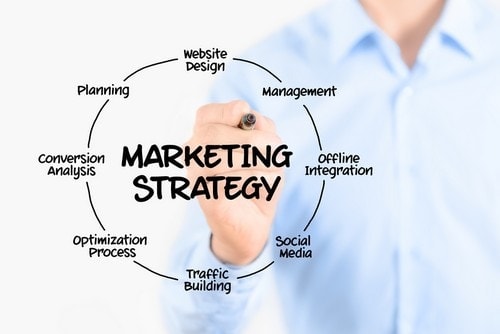
Strategic marketing involves several interconnected components. Understanding these elements helps businesses design effective campaigns.
Market Research
Before launching any marketing initiative, it’s essential to understand the market. This includes:
- Customer preferences and behavior
- Industry trends
- Competitor strategies
- Pricing expectations
Good research reduces uncertainty and helps businesses make informed decisions.
Target Audience Identification
Not every product is meant for everyone. Strategic marketing defines specific customer segments based on:
- Age and demographics
- Interests and lifestyle
- Buying habits
- Pain points and needs
When you know exactly who you’re targeting, your marketing becomes more effective and relevant.
Brand Positioning
Brand positioning determines how customers perceive your business compared to competitors. It answers questions like:
- What makes your brand different?
- Why should customers trust you?
- What value do you offer?
Strong positioning creates emotional connections with customers.
Marketing Goals and Objectives
Clear goals are essential for success. Strategic marketing often includes objectives such as:
- Increasing brand awareness
- Boosting sales revenue
- Expanding into new markets
- Improving customer retention
Defined goals allow businesses to measure progress accurately.
Marketing Channels Selection
Choosing the right channels is crucial. Depending on your audience, effective platforms may include:
- Social media marketing
- Search engine optimization (SEO)
- Email marketing
- Paid advertising
- Content marketing
A strategic approach ensures resources are invested where results are most likely.
Strategic Marketing vs Tactical Marketing
People often confuse strategic marketing with tactical marketing. While both are important, they serve different purposes.
Strategic marketing focuses on planning, while tactical marketing focuses on execution.
For example:
- Strategy: Identifying millennials as your primary target audience.
- Tactics: Running Instagram ads specifically designed for millennials.
Without strategy, tactics can become scattered and ineffective.
Steps to Create a Strategic Marketing Plan
Developing a strategic marketing plan doesn’t have to be complicated. Follow these steps:
Analyze Your Current Situation
Review your strengths, weaknesses, opportunities, and threats (SWOT analysis).
Define Your Target Audience
Understand who your ideal customers are and what they need.
Set Clear Goals
Make goals measurable and realistic.
Choose Marketing Channels
Select platforms that match your audience behavior.
Create Consistent Messaging
Ensure your brand voice remains uniform across all channels.
Monitor and Improve
Track results and adjust strategies based on data.
Consistency and flexibility together lead to better outcomes.
Benefits of Strategic Marketing for Businesses
Strategic marketing offers several advantages beyond immediate sales.
Better Decision Making
Data-driven insights reduce guesswork.
Stronger Customer Relationships
Understanding customer needs builds loyalty.
Efficient Budget Use
Focused campaigns prevent unnecessary spending.
Higher Brand Credibility
Consistent messaging improves trust.
Sustainable Business Growth
Long-term planning ensures stability.
These benefits make strategic marketing essential for modern businesses.
Common Mistakes to Avoid
Even experienced marketers sometimes overlook important aspects.
Lack of Research
Skipping research leads to poor targeting.
Ignoring Customer Feedback
Customer insights are valuable for improvement.
Overemphasis on Short-Term Sales
Long-term brand building should not be ignored.
Inconsistent Branding
Mixed messaging confuses customers.
Avoiding these mistakes can significantly enhance marketing performance.
Future of Strategic Marketing
Marketing continues to evolve rapidly due to technology and changing consumer behavior. Some emerging trends include:
- Artificial intelligence for personalization
- Data-driven marketing automation
- Video and interactive content growth
- Voice search optimization
- Ethical and sustainable branding
Businesses that adapt quickly often gain a competitive edge.
Final Thoughts
Strategic marketing is more than promotion — it’s a thoughtful, research-based approach to building lasting relationships with customers. It combines market understanding, goal setting, brand positioning, and effective channel selection to create meaningful business growth.
Instead of reacting randomly to market changes, strategic marketing empowers businesses to plan confidently and act with purpose. When done correctly, it leads to stronger brands, loyal customers, and consistent success.
Whether you’re running an ecommerce store, service business, or startup, investing in strategic marketing is one of the smartest decisions you can make. With the right strategy, patience, and continuous learning, your brand can stand out in even the most competitive markets.