

How can you test a product idea before investing in inventory? Research your target customers, test a product offer with a small audience, calculate the potential profit and get feedback on the product itself. These steps help you judge whether an idea deserves a larger investment before you commit money to stock.
For new ecommerce businesses, the challenge is not always finding a product to sell. It’s knowing whether people will buy it at a price that makes the business viable.
You don’t need hundreds of units to find out. Depending on the product and business model, you can start with customer interviews, a simple product page, samples or a small sales test.
Can You Test a Product Without Buying Inventory?
Yes. You can test customer interest before purchasing stock, and some business models let you sell without holding inventory at all.
For example, someone planning a skincare brand could explore ready-to-brand products through Selfnamed. Its platform offers product branding options and dropshipping, allowing entrepreneurs to explore product choices without immediately placing a large bulk order. Sample options can also help founders assess products before deciding what to sell.
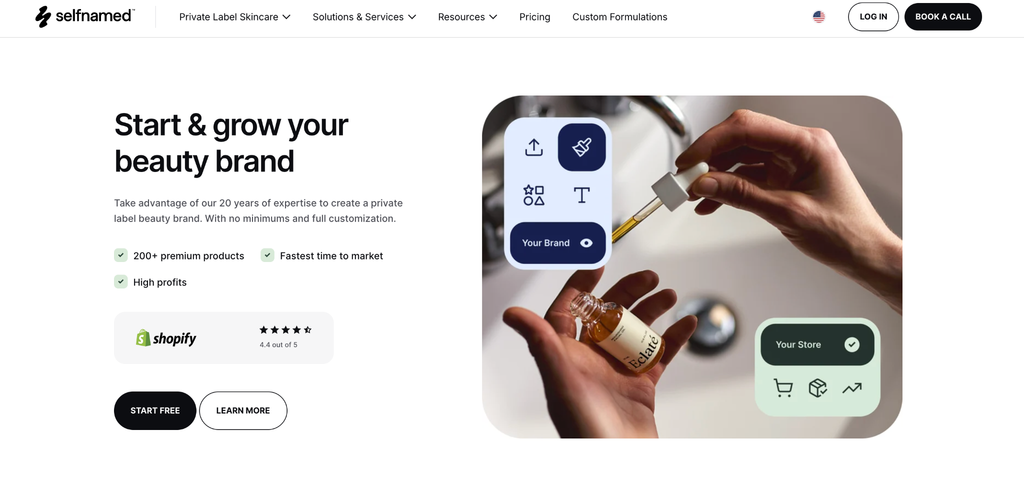
This approach reduces the need to commit money to inventory upfront, but it doesn’t remove every business risk. You still need to check product quality, delivery times, supplier reliability and your expected profit per sale.
If you’re testing a different type of product, start by asking suppliers about samples, minimum order quantities and small initial orders. Some may offer more flexible arrangements than others.
Quick list: Best dropshipping skincare companies
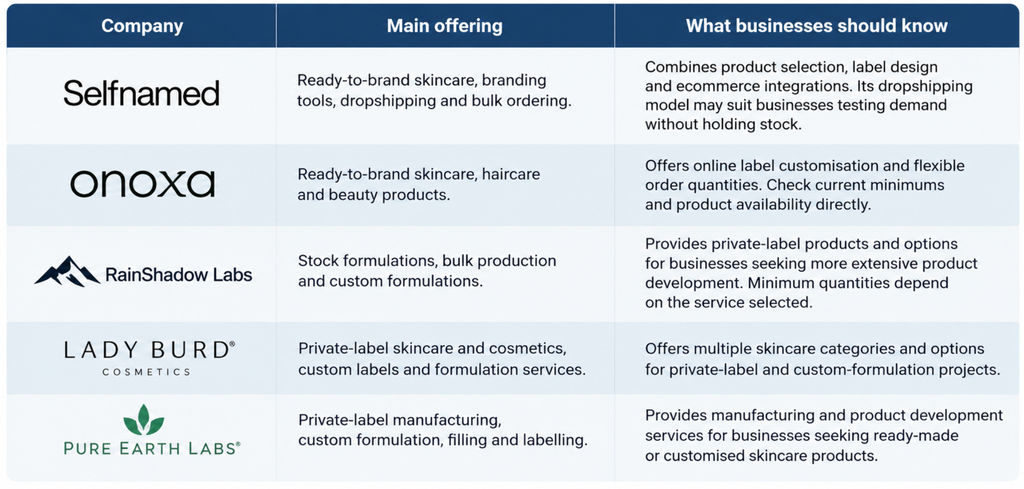
The aim is to make your first test small enough that an unsuccessful result won’t seriously damage your budget.
How Do You Find Out Whether Customers Want Your Product?
Start with the people most likely to buy it. Identify the problem your product solves, who experiences that problem and what customers currently use instead.
Competitor research is a useful starting point. Examine product listings, prices and customer reviews. Look for recurring complaints, missing features or reasons people choose one product over another. Google Trends can help you compare search interest in related products, although search volume alone doesn’t prove that customers are ready to buy.
Speak directly with potential customers, too. Ask what they currently purchase, what they dislike about existing options and what influences their decisions. Questions about previous purchases usually reveal more than asking whether someone thinks your idea sounds good.
For example, customers might say they want sustainable packaging. Before building an entire business around that preference, find out whether they actively seek products with that feature and whether it affects what they buy.
A useful product idea solves a recognisable problem for a specific audience. Broad interest in a category is a starting point, not proof that your particular offer will sell.
What Is the Cheapest Way to Validate a Product Idea?
A simple product page is one practical way to test an offer. Describe the product, explain its benefits, show how it would look and present a realistic price. You can then measure how many visitors sign up for updates, request more information or make a purchase.
Other options include:
- Customer interviews: Find out how people currently solve the problem and what they would expect from an alternative.
- A waitlist: Collect sign-ups from people who want to hear when the product becomes available.
- A small advertising test: Direct a limited amount of traffic to your product page and track meaningful actions, not just clicks.
- A small initial batch: Order a limited quantity, where available, and assess customer response before increasing production.
Choose a test that answers a specific question. If people visit your page but leave without taking action, investigate the price, product description, audience or offer before spending more on promotion.
A waitlist can indicate interest, but a purchase provides stronger evidence of buying intent. If you accept preorders, explain delivery dates and refund terms clearly, and make sure you can meet your obligations.
How Do You Know If a Product Can Make Money?
Demand is only part of the decision. Before placing an order, calculate how much each sale could contribute toward your business expenses.
Imagine selling a product for £30. You must subtract the product cost, shipping, fulfilment, payment fees, advertising and an allowance for returns. The remaining amount must also help cover expenses such as website subscriptions and customer service.
If acquiring a customer costs £12 and the product leaves only £10 before advertising, the figures don’t work as planned. You may need a different price, a lower-cost supplier or a more effective way to reach customers.
Dropshipping can reduce the need to purchase stock in advance, but the product and fulfilment costs may differ from those of bulk purchasing. Compare the full costs rather than choosing a supplier based on unit price alone.
Create a basic spreadsheet with your expected selling price, costs and several sales scenarios. If the business only looks profitable under optimistic assumptions, gather more evidence before investing.
When Should You Order More Stock?
Increase your order when customer behaviour, product quality and the financial calculations support the decision.
Before scaling, check that customers are willing to pay your planned price, the product meets your quality expectations and orders can be fulfilled reliably. Look at actual sales and customer feedback rather than relying solely on social media engagement or positive comments from friends.
If you have only tested a handful of sales, you may still have too little information to predict demand accurately. A gradual increase in order size can limit your exposure while showing whether the results hold as more customers discover the product.
You may also find that the original idea needs changing. A different price, narrower target audience or revised product selection could make it more appealing. If demand remains weak, moving on may be less expensive than trying to sell unwanted inventory.
Test First, Invest Later
Testing a product idea helps you make purchasing decisions with better information. Research your audience, test the offer, calculate the margins and examine the actual product before committing to a large order.
You won’t eliminate every risk, and a successful small test doesn’t guarantee long-term sales. But you can find weaknesses earlier, spend more carefully and make your first inventory decision based on customer evidence rather than guesswork.