Why Does Brand Recognition Help Businesses? 5 Powerful Reasons
Introduction
Why does brand recognition help businesses? It is one of the most important questions any business owner or marketer should ask — because the answer directly impacts revenue, customer loyalty, and long-term growth.
Consider the brands you trust the most. Chances are you noticed them long before ever bought anything. This is not accidental familiarity, this is the result of purposeful, consistent brand building. Also, companies that recognize investments early almost always outperform those that don’t.
So, let us break down exactly why brand recognition matters and how it gives businesses a genuine competitive edge.
What Is Brand Recognition?
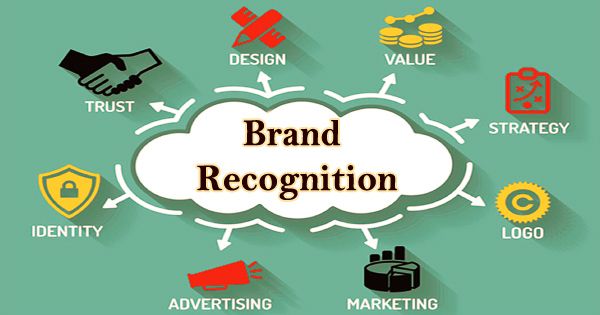
Brand recognition is the ability of consumers to identify a brand through its visual elements, name, tone, or messaging — without needing any additional context. Furthermore, it goes beyond simply knowing a company exists. It means that when a potential customer sees your logo, hears your tagline, or encounters your content, they immediately know who you are and what you stand for. A distinctive mark is what makes this recognition feel immediate rather than forced, and the design of logos is where that visual shorthand is shaped long before a tagline or any campaign ever goes live.
As a result, strong brand recognition builds the kind of familiarity that drives purchasing decisions — often without the customer even realising it.
Why Does Brand Recognition Help Businesses? 5 Powerful Reasons
1. It Builds Customer Trust Instantly
Trust is the foundation of every successful business relationship. Moreover, consumers are far more likely to buy from a brand they recognise than one they have never encountered before.
In fact, research consistently shows that familiarity breeds confidence. When a customer recognises your brand, they associate it with reliability and credibility — even before a single interaction. Therefore, businesses with strong recognition spend far less effort convincing new customers to take that first step.
2. It Gives You a Clear Competitive Advantage
In crowded markets, brand recognition is often the deciding factor between winning and losing a sale. Furthermore, when two products are similarly priced and quality, the customer will almost always choose the brand they know.
This is why global companies like Apple, Nike, and Coca-Cola consistently dominate their categories despite being premium priced. As a result, investing in brand recognition pays dividends long after the initial marketing spend.
3. It Reduces Marketing Costs Over Time
Many businesses believe you need to spend endlessly to build brand recognition. But the opposite is actually true in the long term. Plus, once a brand has a foothold in its market, it needs a lot less paid advertising to stay visible and keep sales coming in.
Additionally, word-of-mouth referrals — which are driven heavily by brand recognition — are entirely free and consistently outperform paid channels in terms of conversion rates. Therefore, the upfront investment in brand building pays for itself many times over. This is especially relevant for students and beginners learning marketing, who often explore practical examples or even look for ways to buy research paper, sometimes turning to platforms like Essayservice for guidance.
4. It Supports Premium Pricing
Customers willingly pay more for brands they recognise and trust. Furthermore, this is one of the most powerful financial advantages that strong brand recognition delivers to businesses.
Consider the difference between a recognised brand and a generic alternative on a supermarket shelf. In most cases, consumers choose the familiar brand — even at a significantly higher price. As a result, recognised brands enjoy stronger profit margins and greater pricing flexibility than their lesser-known competitors.
5. It Accelerates Business Growth
Finally, brand recognition creates a compounding growth effect. Moreover, as more people become aware of your brand, your audience grows organically through shares, referrals, and repeat exposure across multiple channels.
This is especially powerful in the digital age, where platforms like Instagram, YouTube, and LinkedIn allow brands to reach new audiences at scale. Additionally, recognised brands tend to attract better talent, stronger partnerships, and more favourable media coverage — all of which accelerate growth further.
How to Build Brand Recognition Effectively
So, knowing why brand recognition helps businesses is only half the equation. Here are the most effective ways to build it:
- Be consistent — Use the same logo, colours, fonts, and tone across every platform and touchpoint
- Create valuable content — Blogs, videos, and social media posts that educate and entertain build familiarity over time
- Leverage social proof — Customer reviews, testimonials, and case studies reinforce credibility at scale
- Use paid advertising strategically — Platforms like Google Ads and Meta Ads are powerful tools for putting your brand in front of new audiences consistently
- Partner with influencers — Collaborating with trusted voices in your niche accelerates recognition significantly
For further reading on brand building strategy, HubSpot’s Marketing Blog and Neil Patel’s website are excellent free resources worth bookmarking.
Conclusion
So, why does brand recognition help businesses? Because it builds trust, reduces marketing costs, supports premium pricing, creates competitive advantage, and accelerates long-term growth — all at the same time.
Therefore, whether you are building a brand from scratch or refreshing an existing one, investing in recognition is one of the smartest and most rewarding decisions any business can make. Start consistently, stay patient, and the results will follow.
FAQs
1. Why does brand recognition help businesses grow faster?
Brand recognition helps businesses grow faster because familiar brands earn customer trust more quickly, require less convincing to convert, and benefit from organic word-of-mouth referrals. Moreover, recognised brands attract better partnerships and media attention, all of which compound growth over time.
2. How does brand recognition affect customer loyalty?
Strong brand recognition creates emotional familiarity, which builds loyalty over time. Furthermore, customers who recognise and trust a brand are far more likely to return for repeat purchases and recommend it to others — reducing churn and increasing lifetime customer value.
3. What is the difference between brand recognition and brand awareness?
Brand awareness refers to whether consumers know a brand exists. Brand recognition goes a step further — it means consumers can identify the brand through specific visual or verbal cues, such as a logo, colour scheme, or tagline, even without seeing the brand name directly.
4. How long does it take to build brand recognition?
Building strong brand recognition typically takes between six months and two years of consistent effort, depending on your industry, budget, and marketing strategy. However, businesses that post consistently, invest in content, and engage their audience regularly tend to see meaningful results much sooner.