What Is SaaS Sales? A Complete Guide to Software-as-a-Service Selling
Introduction: Understanding SaaS Sales
Technology has changed the way businesses buy software. Instead of purchasing expensive software once and installing it permanently, companies now subscribe to online tools that update automatically and work from anywhere. This model is called Software as a Service (SaaS), and the process of selling these subscription-based digital solutions is known as SaaS sales.
Unlike traditional product sales, SaaS selling focuses on building long-term relationships with customers rather than one-time transactions. Businesses pay monthly or yearly fees, so retaining customers becomes just as important as acquiring them.
Understanding how SaaS sales work can help entrepreneurs, marketers, and business owners grow successfully in today’s digital marketplace.
What Exactly Is SaaS Sales?
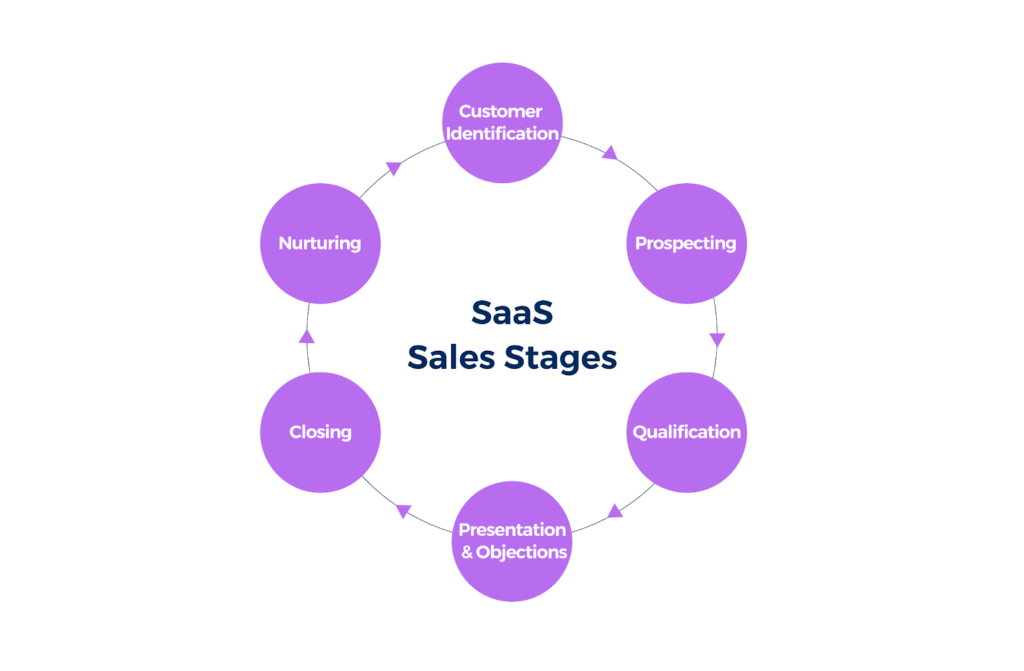
SaaS sales refers to selling cloud-based software solutions through subscriptions. These solutions may include tools for marketing, accounting, communication, project management, design, ecommerce, and more.
Examples of popular SaaS products include:
- Customer relationship management platforms
- Email marketing tools
- Cloud storage services
- Ecommerce software like Shopify
- Project collaboration apps
Instead of buying software outright, customers pay recurring fees. This creates continuous revenue for companies and continuous value for customers.
How SaaS Sales Is Different From Traditional Sales
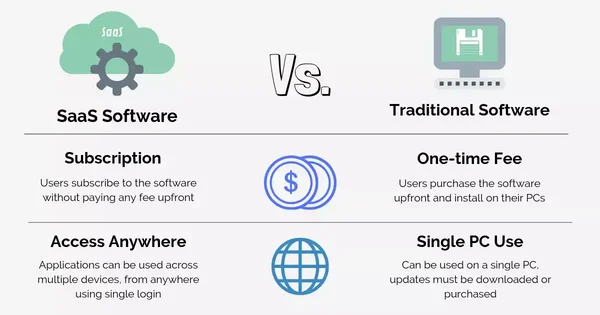
Although both involve selling products or services, SaaS sales have unique characteristics.
Subscription-Based Model
Customers usually pay monthly or annually instead of making a one-time purchase.
Focus on Customer Retention
Keeping existing customers satisfied is essential because recurring revenue depends on long-term usage.
Product Education Is Important
Sales teams often demonstrate how the software works through demos, trials, or onboarding sessions.
Data-Driven Selling
Performance metrics like churn rate, customer lifetime value, and conversion rates guide decision-making.
These differences make SaaS sales more relationship-focused compared to traditional product selling.
Types of SaaS Sales Models
Businesses adopt different sales approaches depending on their target audience and product complexity.
Self-Service Sales
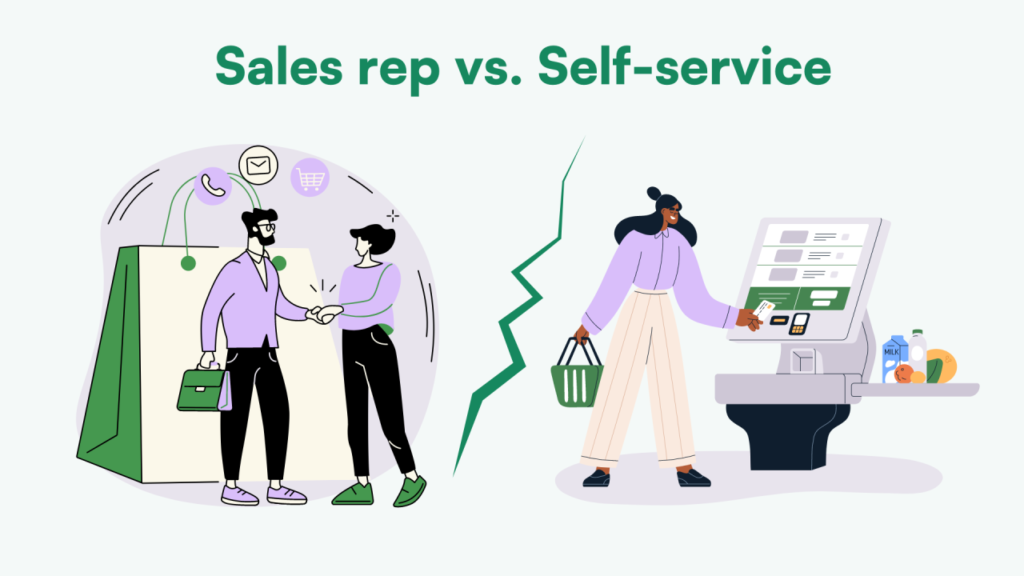
Customers sign up independently through a website without interacting with sales representatives. This model suits simple, affordable tools.
Examples include:
- Basic design tools
- Entry-level marketing platforms
- Productivity apps
This approach relies heavily on digital marketing.
Transactional Sales
Here, customers interact briefly with sales teams before purchasing. This is common for mid-priced software solutions.
Sales representatives may:
- Provide demos
- Answer questions
- Offer limited consultations
The process is quicker compared to enterprise selling.
Enterprise SaaS Sales
This model targets large organizations with complex needs. Sales cycles are longer because decisions involve multiple stakeholders.
Enterprise SaaS sales often include:
- Customized solutions
- Contract negotiations
- Dedicated account managers
This approach focuses strongly on relationship building.
Key Skills Required for SaaS Sales Success
Selling software requires more than persuasion. Successful SaaS professionals develop specific skills.
Product Knowledge
Understanding software features deeply helps explain benefits clearly.
Communication Skills
Clear communication builds trust with potential customers.
Problem-Solving Ability
Customers want solutions, not just features.
Relationship Building
Long-term subscriptions depend on customer satisfaction.
Data Analysis
Metrics help refine sales strategies continuously.
These skills improve both acquisition and retention.
Effective SaaS Sales Strategies
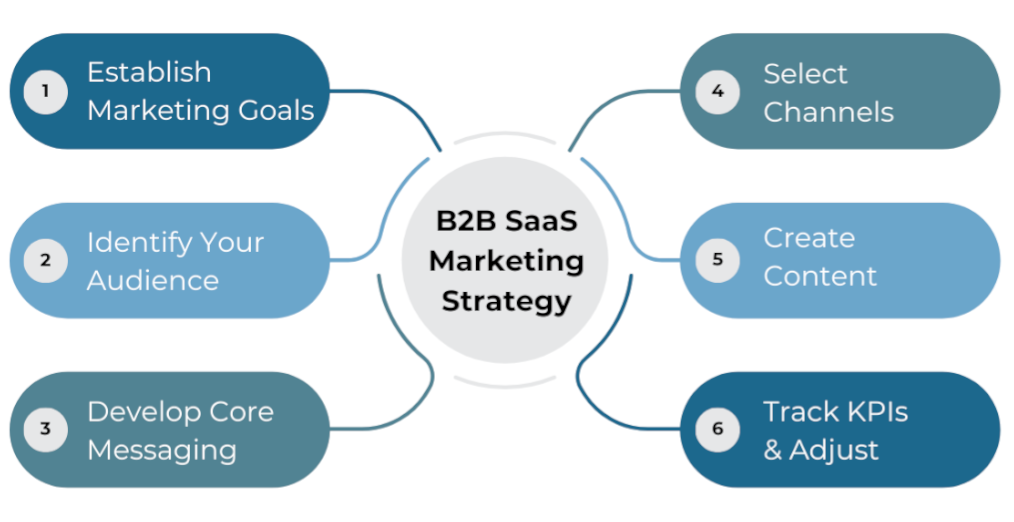
Companies use various methods to attract customers and increase conversions.
Free Trials and Freemium Models
Allowing customers to test software reduces risk and builds confidence.
Content Marketing
Educational blogs, videos, and webinars help explain product value.
Personalized Demonstrations
Customized demos show how software solves specific business problems.
Customer Success Programs
Ongoing support improves retention and satisfaction.
Referral Programs
Satisfied users often recommend software to others.
Combining these strategies improves results.
Benefits of SaaS Sales for Businesses
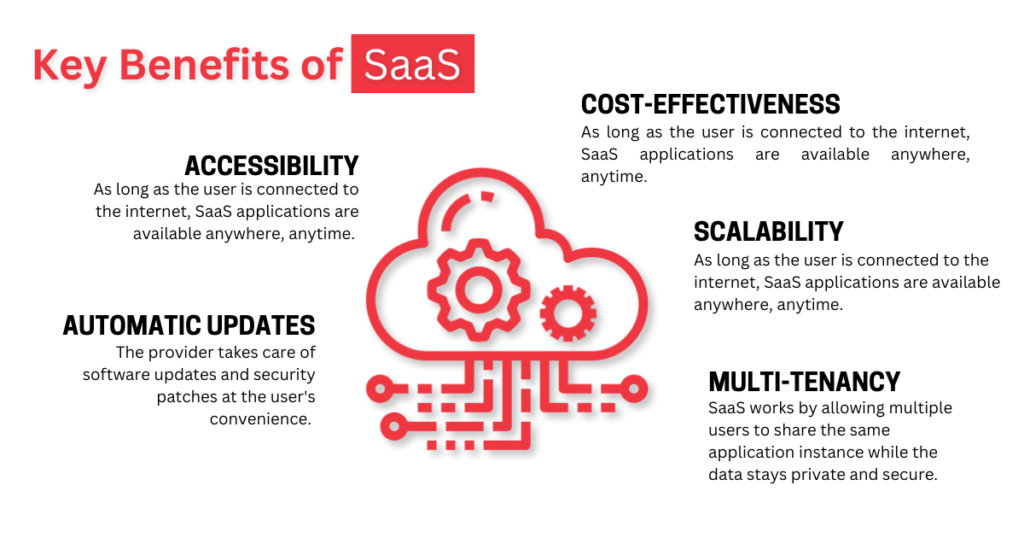
SaaS selling offers several advantages compared to traditional models.
Predictable Revenue
Recurring subscriptions create steady income streams.
Scalability
Cloud-based products can serve global customers easily.
Lower Distribution Costs
No physical inventory or shipping required.
Continuous Customer Engagement
Regular updates keep customers connected.
These benefits make SaaS one of the fastest-growing industries.
Common Challenges in SaaS Sales

Despite its advantages, SaaS sales also present challenges.
Customer Churn
Losing subscribers affects revenue stability.
High Competition
Many software providers compete for attention.
Customer Education Needs
Complex tools require detailed explanation.
Pricing Pressure
Customers often compare multiple solutions before buying.
Addressing these challenges requires strong marketing and support systems.
Future Trends in SaaS Sales
The SaaS industry continues evolving rapidly. Emerging trends include:
- Artificial intelligence integration
- Automation in customer onboarding
- Personalized user experiences
- Subscription bundling strategies
- Increased focus on customer success
Businesses adapting to these trends often gain competitive advantages.
Final Thoughts
SaaS sales represent a modern approach to selling software through subscriptions rather than one-time purchases. This model emphasizes long-term customer relationships, ongoing support, and consistent value delivery.
For businesses, SaaS selling offers predictable revenue, global scalability, and strong growth potential. For customers, it provides flexible access to powerful tools without heavy upfront costs.
Whether you’re an entrepreneur launching software, a marketer promoting digital tools, or a business owner considering SaaS solutions, understanding SaaS sales can open new opportunities for growth and innovation.
In today’s digital economy, mastering SaaS sales is not just an advantage — it’s becoming a necessity.