What Is AI in Cloud Computing? A Complete Beginner-to-Pro Guide
Artificial Intelligence (AI) has become one of the most transformative technologies of the modern era, while cloud computing has revolutionized how businesses store, access, and manage data. When these two technologies combine, they create a powerful ecosystem known as AI in cloud computing — a system where artificial intelligence tools, machine learning models, and intelligent analytics are delivered through cloud platforms instead of local computers or servers.
Simply put, AI in cloud computing allows businesses, developers, and individuals to use advanced AI capabilities without investing heavily in infrastructure, hardware, or technical expertise. Instead, everything is accessed online through scalable cloud services.
Understanding AI in Cloud Computing
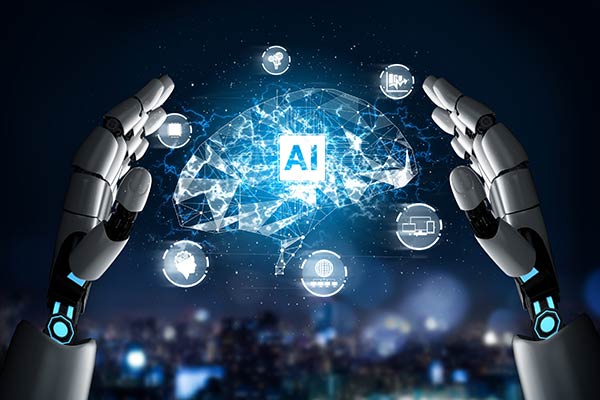
AI in cloud computing refers to the deployment of artificial intelligence technologies — such as machine learning, natural language processing, computer vision, and predictive analytics — on cloud platforms. These platforms provide computing power, storage, and AI tools on demand.
Rather than building AI systems from scratch, organizations can connect to cloud services and instantly use intelligent solutions for automation, data analysis, customer support, marketing optimization, cybersecurity, and much more.
This approach democratizes AI. Even startups and small businesses can leverage sophisticated AI tools that once required massive budgets and specialized teams.At the same time, businesses must remain aware of potential Cybersecurity risk, ensuring that proper safeguards, monitoring, and compliance measures are in place when integrating AI-powered cloud solutions.
How AI in the Cloud Actually Works
At its core, AI in cloud computing involves three major components:
1. Cloud Infrastructure
Cloud providers host powerful servers, GPUs, storage systems, and networking infrastructure. These resources handle large datasets and complex AI computations efficiently.
2. AI Models and Algorithms
Pre-trained AI models are stored in the cloud. Businesses can use them directly or customize them according to their needs.
3. Data Processing and Analytics
Cloud AI systems collect, process, and analyze massive amounts of data quickly, generating actionable insights for businesses.
For example, a retail company might use cloud AI to analyze customer behavior and recommend products automatically, improving sales and customer satisfaction.
Major Platforms Offering AI Cloud Services
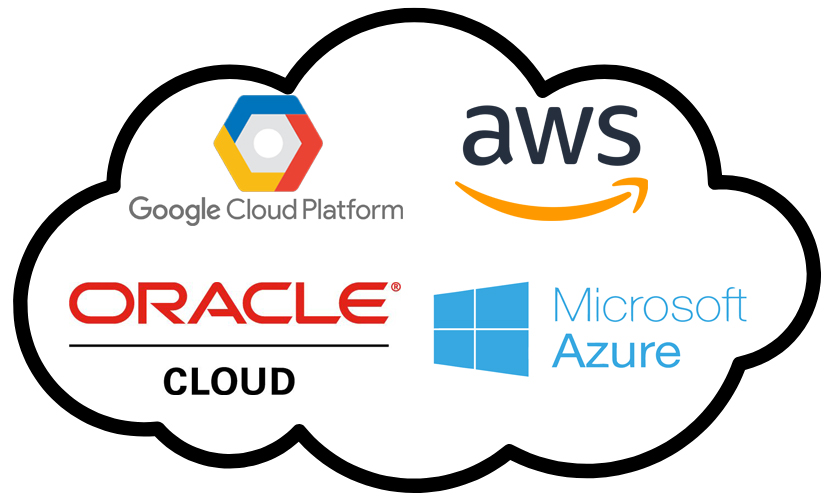
Several leading cloud providers have invested heavily in AI services. Some of the most prominent platforms include:
- Amazon Web Services — Known for extensive machine learning tools, scalable infrastructure, and enterprise-ready AI services.
- Microsoft Azure — Popular for AI integrations with enterprise software and strong hybrid cloud solutions.
- Google Cloud Platform — Recognized for advanced AI research, data analytics, and machine learning capabilities.
- IBM Cloud — Focuses on enterprise AI, automation, and industry-specific solutions.
Each provider offers tools that simplify AI adoption across industries.
Key Benefits of AI in Cloud Computing
Cost Efficiency
Building AI infrastructure independently is expensive. Cloud AI eliminates hardware costs and allows businesses to pay only for what they use.
Scalability
Cloud platforms can instantly scale resources based on demand. Whether handling a few users or millions, AI performance remains stable.
Faster Innovation
Developers can access ready-made AI frameworks and APIs, reducing development time and speeding up innovation.
Accessibility
Small businesses, startups, and entrepreneurs can now compete with larger companies using cloud-based AI tools.
Continuous Updates
Cloud AI services are regularly updated, ensuring users always benefit from the latest improvements without manual upgrades.
Real-World Applications of AI in Cloud Computing
AI cloud services are already shaping many industries:
E-commerce
AI analyzes customer preferences, predicts buying behavior, and automates personalized recommendations.
Healthcare
Cloud AI helps analyze medical images, predict disease patterns, and improve patient care efficiency. Cloud AI helps analyze medical images, predict disease patterns, and improve patient care efficiency.Cloud AI is transforming healthcare by analyzing medical images faster and predicting disease patterns with greater accuracy. When integrated with a hospital management system, it helps doctors access real-time data, improve diagnosis, and make better treatment decisions. This technology also reduces manual work, streamlines workflows, and enhances overall patient care efficiency. By combining AI and cloud computing, hospitals can deliver smarter, faster, and more reliable healthcare services.
Finance
Banks use AI cloud systems for fraud detection, credit scoring, and financial forecasting.
Marketing
Marketers leverage AI for customer segmentation, targeted advertising, and predictive campaign optimization.
Customer Support
AI chatbots and virtual assistants provide instant support, improving customer satisfaction while reducing costs.
These applications show how cloud AI enhances both efficiency and innovation.
Challenges Businesses Should Consider
Despite its advantages, AI in cloud computing also presents some challenges:
Data Privacy Concerns
Storing sensitive data in the cloud requires strict security measures and compliance with regulations, which is why many organizations rely on security cloud services to protect data, manage access, and ensure regulatory compliance.
Internet Dependency
Cloud AI services require reliable internet connectivity. Downtime can affect operations.
Cost Management
While cloud AI can be economical, poor resource management may lead to unexpected costs.
Skill Requirements
Although cloud AI simplifies adoption, understanding data science basics still helps maximize results.
Businesses must balance these challenges with the benefits.
The Future of AI in Cloud Computing
The future of AI in cloud computing looks incredibly promising. Emerging trends include:
- Generative AI and advanced language models
- Real-time predictive analytics
- AI-powered cybersecurity systems
- Edge AI combined with cloud intelligence
- Autonomous decision-making platforms
As technology evolves, AI cloud services will become even more accessible, efficient, and essential for business growth.
Why Businesses Are Rapidly Adopting Cloud AI
Companies are increasingly embracing AI in cloud computing because it enables:
- Faster decision-making
- Better customer insights
- Increased operational efficiency
- Competitive advantage in digital markets
- Innovation without heavy investment
Organizations that adopt cloud AI early often gain a significant edge over competitors.
Final Thoughts
AI in cloud computing represents the future of digital innovation. By combining artificial intelligence with the flexibility of cloud platforms, businesses can unlock powerful capabilities without complex infrastructure or massive budgets.
Whether you are a startup entrepreneur, marketer, developer, or enterprise leader, cloud AI offers opportunities to innovate, automate, and grow faster than ever before. As adoption continues to rise, understanding AI in cloud computing is no longer optional — it is essential for staying competitive in today’s technology-driven world.