
What Is a Proxy Server vs VPN? Key Differences Explained for Beginners
Introduction
Understanding What Is a Proxy Server vs a VPN: Key Differences Explained for Beginners is important for anyone concerned about online privacy and security. Both proxy servers and VPNs help hide your identity online, but they work differently and provide different levels of protection.
This guide on What Is a Proxy Server vs a VPN? Key Differences Explained for Beginners explains how each tool works, their advantages, and which option is best for your needs.
What Is a Proxy Server?
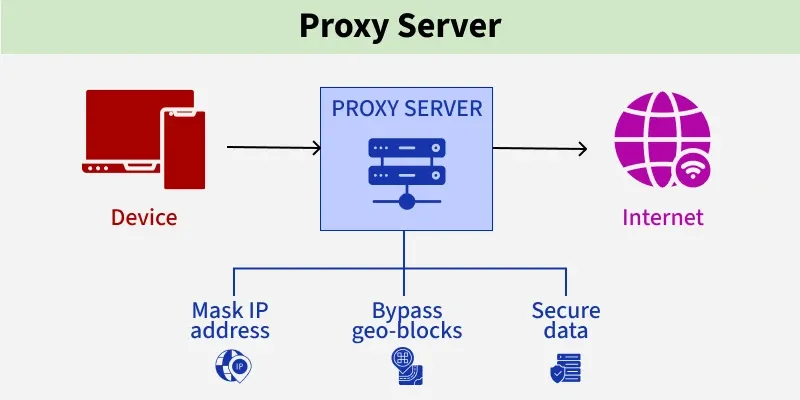
A proxy server acts as a middleman between your device and the internet. When you use a proxy, your request goes through the proxy server before reaching the website.
This means websites see the proxy server’s IP address instead of yours.
Common types of proxy servers include:
- HTTP Proxy
- HTTPS Proxy
- SOCKS Proxy
- Transparent Proxy
Proxy servers are often used for:
- Accessing blocked websites
- Bypassing geo-restrictions
- Basic anonymity
Some popular proxy tools include:
- Hide.me Proxy
- KProxy
- ProxySite
These services provide basic privacy but limited security.
What Is a VPN?
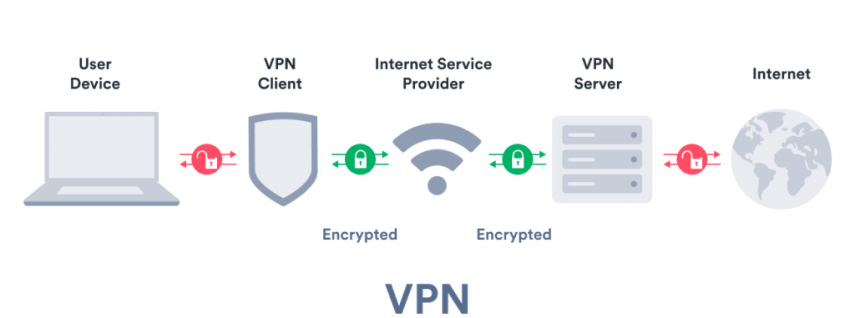
A VPN (Virtual Private Network) encrypts your entire internet connection and routes it through a secure server. This makes VPNs more secure than proxy servers.
When using a VPN:
- Your IP address is hidden
- Your internet traffic is encrypted
- Your data is protected
Popular VPN providers include:
- NordVPN
- ExpressVPN
- Proton VPN
VPNs provide better privacy and security compared to proxies.
Proxy Server vs VPN: Key Differences
Understanding What Is a Proxy Server vs VPN? Key differences explained for beginners become easier with this comparison:
| Feature | Proxy Server | VPN |
|---|---|---|
| Encryption | No | Yes |
| Security Level | Low | High |
| Speed | Faster | Slightly slower |
| IP Masking | Yes | Yes |
| Full Device Protection | No | Yes |
| Privacy | Basic | Advanced |
| Cost | Often Free | Usually Paid |
This table highlights the main differences between proxy servers and VPNs.
When Should You Use a Proxy Server?
A proxy server is useful when:
- You want quick access to blocked websites
- You need faster browsing
- You need basic anonymity
- You don’t require strong security
However, proxy servers do not encrypt your data, making them less secure.
When Should You Use a VPN?
A VPN is recommended when:
- You want secure browsing
- You use public Wi-Fi
- You want complete privacy
- You handle sensitive data
VPNs provide stronger protection and are ideal for long-term privacy.
Advantages of Proxy Servers
Benefits of proxy servers include:
- Faster speeds
- Easy setup
- Free options available
- Good for basic tasks
But proxy servers have limited security.
Advantages of VPNs
Benefits of VPNs include:
- Strong encryption
- Full device protection
- Better privacy
- Safe public Wi-Fi usage
These features make VPNs more secure.
Disadvantages of Proxy Servers
Proxy server limitations include:
- No encryption
- Lower security
- Limited protection
- Risk of data leaks
This is why many users prefer VPNs.
Disadvantages of VPNs
VPN limitations include:
- Slightly slower speeds
- Paid subscriptions
- Requires installation
Despite these drawbacks, VPNs offer better security.
Which Is Better: Proxy or VPN?
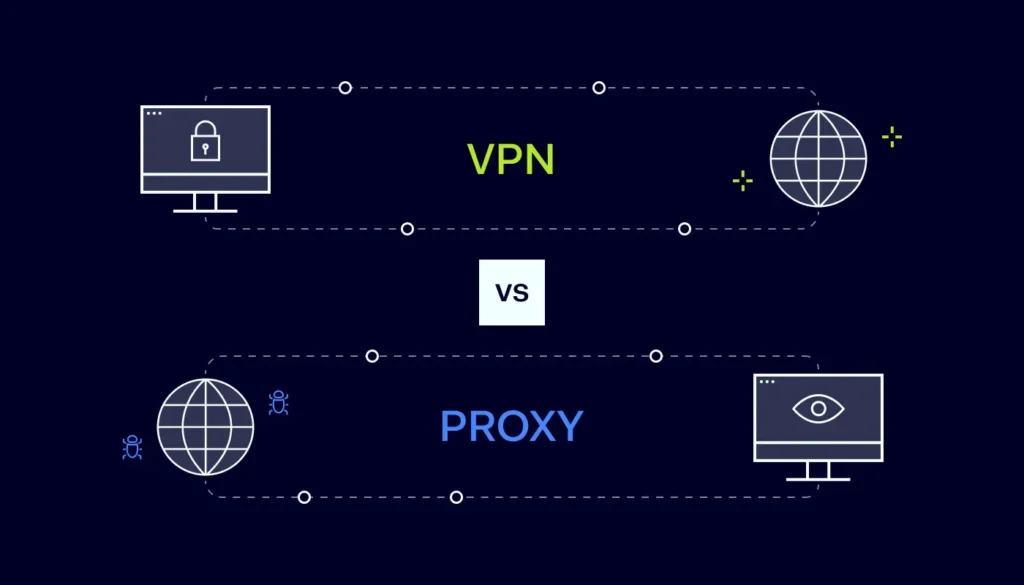
When considering What Is a Proxy Server vs VPN? Key Differences Explained for Beginners, the answer depends on your needs:
- Choose Proxy → For speed and basic browsing
- Choose VPN → For privacy and security
Most users prefer VPNs because they offer stronger protection.
Proxy vs VPN for Streaming
Streaming users often compare proxy vs VPN:
- Proxy: Faster but less reliable
- VPN: More secure and reliable
VPNs are generally better for streaming.
Proxy vs VPN for Privacy
Privacy comparison:
- Proxy: Basic anonymity
- VPN: Advanced anonymity
VPNs provide better privacy protection.
Final Verdict
This What Is a Proxy Server vs VPN? Key Differences Explained for Beginners guide shows that both tools serve different purposes. Proxy servers offer quick and basic anonymity, while VPNs provide complete privacy and security.
If you want stronger protection, VPNs are the better option. However, proxy servers can still be useful for simple tasks.
Understanding What Is a Proxy Server vs a VPN? Key Differences Explained for Beginners helps you choose the right tool for your needs.
FAQs
Is a VPN better than a proxy server?
Yes, VPNs provide encryption and better security compared to proxy servers.
Can I use a proxy and a VPN together?
Yes, advanced users sometimes combine both for extra privacy.
Are free proxies safe?
Free proxies may not be safe. Always choose trusted providers.
Do VPNs hide your IP address?
Yes, VPNs hide your IP address and encrypt your connection.





This breakdown of proxy servers vs. VPNs really clarified the practical differences, especially how a VPN offers more comprehensive security by encrypting all traffic while a proxy only handles specific requests. It’s helpful for beginners to understand that the choice often comes down to whether you prioritize privacy across all apps or just web browsing.
This breakdown of the distinct roles proxy servers and VPNs play is spot on, especially highlighting how proxies act merely as intermediaries while VPNs offer comprehensive encryption. It’s a great reminder that for true privacy protection, a VPN’s deeper security layers are often essential compared to a standard proxy. I really appreciated the clear distinction on when each tool is appropriate to use.
The comparison between proxy servers and VPNs really clarifies when to use one over the other, especially regarding the trade-offs between speed and security. I found the section on streaming specifically helpful, as it explains why a proxy might suffice for some cases while others definitely need the encryption a VPN provides. It is a great primer for beginners trying to navigate their online privacy options without getting overwhelmed.
This is an incredibly clear breakdown of the fundamental differences between proxies and VPNs, especially the distinction on how deep the traffic encryption goes. I especially found the section on when to use one over the other helpful, as it clarifies that a proxy isn’t always the right choice for comprehensive privacy. Thank you for simplifying such a technical topic for beginners!
This is a fantastic guide for beginners trying to untangle the technical differences between proxies and VPNs, especially the section on when to choose one over the other for tasks like streaming versus general privacy. The breakdown of their distinct advantages really clarifies why a standalone proxy might not be enough if full encryption is needed. It’s a great resource that helps users make informed decisions based on their specific security needs.