
What Does CSPM Stand for in Cloud Computing?
In cloud computing, CSPM stands for Cloud Security Posture Management. It refers to a category of security tools and practices designed to monitor, assess, and improve the security configuration of cloud environments. As organizations increasingly rely on cloud platforms for storing data and running applications, maintaining strong security has become essential — and CSPM plays a major role in achieving that.
Simply put, CSPM helps businesses detect security risks, misconfigurations, and compliance issues in their cloud infrastructure before they turn into serious problems.
Why CSPM Is Important
Cloud environments are highly dynamic. New resources are created, modified, or removed constantly. This flexibility is beneficial but also increases the risk of security mistakes such as:
- Incorrect access permissions
- Exposed storage or databases
- Weak encryption settings
- Compliance violations
CSPM solutions continuously scan cloud environments to identify these issues and suggest fixes.
How CSPM Works
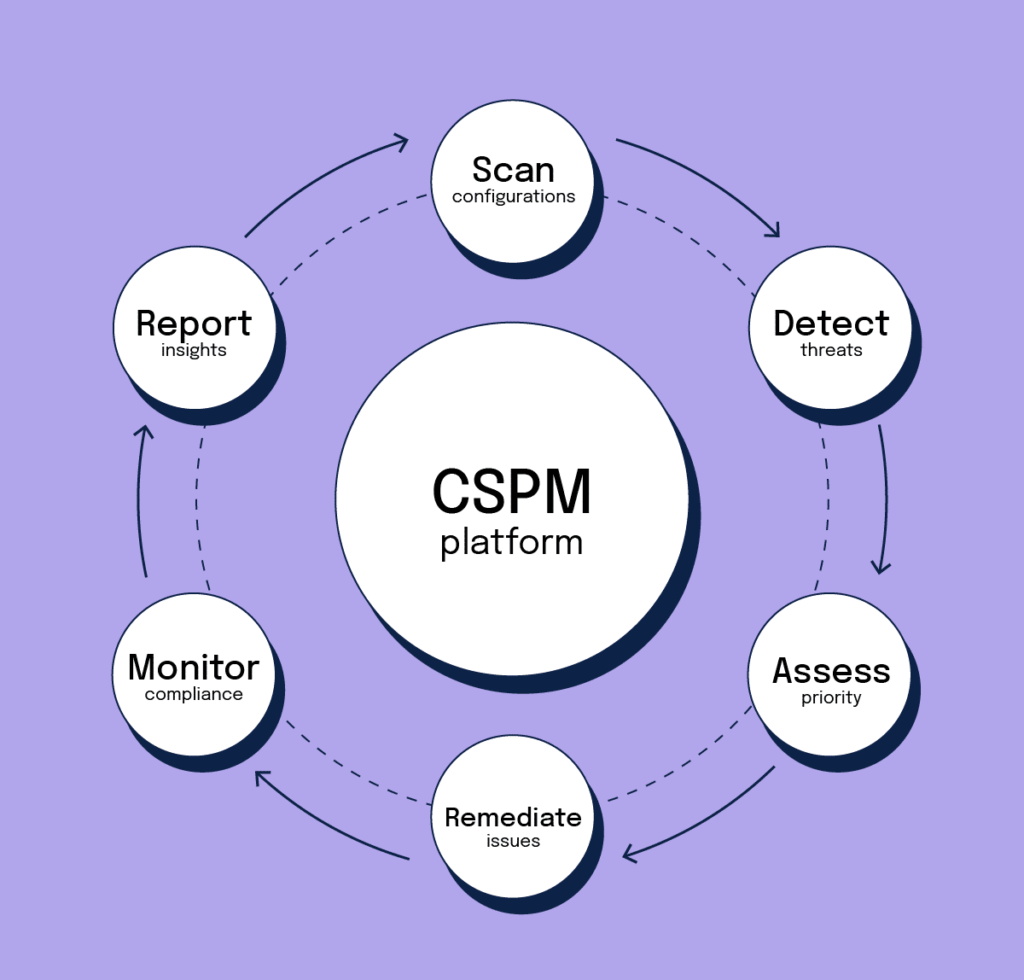
Cloud Security Posture Management tools operate by analyzing cloud configurations and comparing them against best practices, security policies, and compliance standards.
Typical CSPM functions include:
Continuous Monitoring
They monitor cloud infrastructure 24/7 to detect potential vulnerabilities.
Risk Detection
CSPM identifies misconfigured resources that could lead to data breaches.
Compliance Checks
They ensure cloud setups meet industry regulations and standards.
Automated Alerts
Users receive notifications when risks are detected so they can act quickly.
This proactive approach improves cloud security significantly.
Key Benefits of CSPM
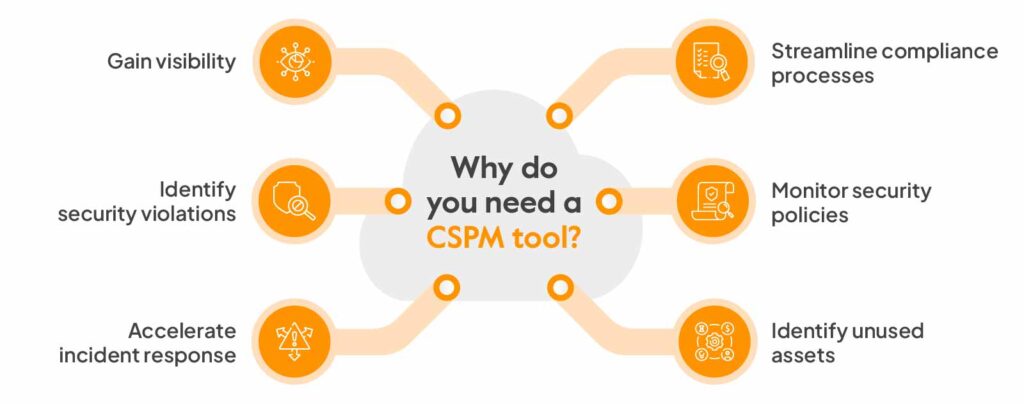
Organizations adopt CSPM because it offers several advantages:
Improved Security Visibility
Businesses gain clear insight into their cloud security status.
Reduced Risk of Data Breaches
Early detection prevents costly incidents.
Regulatory Compliance Support
Helps meet legal and industry security requirements.
Automation Efficiency
Automated checks save time compared to manual security audits.
These benefits make CSPM essential for modern cloud operations.
Who Needs CSPM?
CSPM is valuable for:
- Businesses storing sensitive data in the cloud
- Enterprises managing multiple cloud environments
- Startups scaling quickly on cloud platforms
- IT teams responsible for cloud security
Even small organizations can benefit as cloud usage grows.
Common Challenges CSPM Helps Solve
Without proper monitoring, cloud environments can face:
- Accidental public data exposure
- Weak access control policies
- Misconfigured storage systems
- Security compliance gaps
CSPM tools help detect and fix these problems early.
The Future of CSPM
As cloud adoption continues expanding, CSPM technology is evolving. Future trends include:
- AI-powered threat detection
- Automated remediation systems
- Integration with DevOps workflows
- Multi-cloud security management
These advancements will make cloud security more proactive and intelligent.
Final Thoughts
CSPM, or Cloud Security Posture Management, is a crucial component of cloud security strategy. It helps organizations monitor configurations, detect vulnerabilities, maintain compliance, and protect sensitive data in cloud environments.
As businesses continue moving to the cloud, understanding and implementing CSPM is essential for maintaining secure and reliable operations.