
One of the most debated topics in the world of technical SEO is the use of subdomains. Should you host your blog on a subdomain? Does Google treat subdomains as separate websites? Can a poorly structured SEO subdomain strategy hurt your rankings? These are questions every website owner, developer, and digital marketer needs to answer before making structural decisions that are difficult to reverse.
This guide cuts through the confusion and gives you a clear, up-to-date understanding of how subdomains impact SEO — and how to use them strategically in 2025.
What Is a Subdomain?
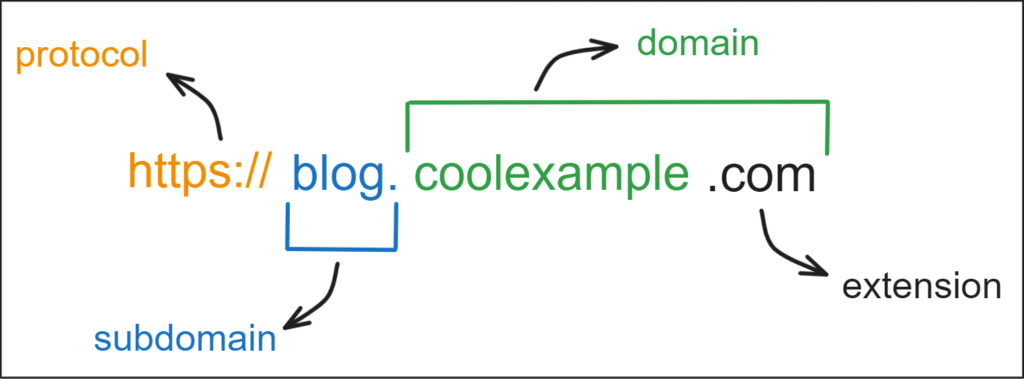
A subdomain is a prefix added to your root domain that creates a separate section of your website. For example:
- blog.yoursite.com — a subdomain for a blog
- shop.yoursite.com — a subdomain for an e-commerce store
- support.yoursite.com — a subdomain for a help center
Subdomains are technically distinct from your main domain, which is the core of the SEO subdomain debate.
Subdomain vs Subdirectory: The Core SEO Question
Before diving into strategy, you must understand the fundamental choice every site owner faces:
| Feature | Subdomain | Subdirectory |
|---|---|---|
| Structure | blog.site.com | site.com/blog |
| SEO Authority | Separate | Shared with root |
| Setup Complexity | Higher | Lower |
| Best For | Distinct platforms | Related content |
The general SEO consensus: subdirectories (site.com/blog) consolidate link equity and domain authority into one entity, making them the preferred choice for most content strategies. Subdomains divide authority, which can weaken both the subdomain and the root domain if not managed carefully.
However, subdomains are not inherently bad for SEO — they are simply a different tool, best used in specific situations.
When Subdomains Make Sense for SEO
1. Targeting a Different Language or Region
If you are running a multilingual or multi-regional website, subdomains are a clean and widely accepted solution:
en.yoursite.com | fr.yoursite.com | de.yoursite.com
This structure allows you to apply hreflang tags correctly and target different audiences without cluttering your main domain architecture.
2. Running a Distinctly Different Platform
If your blog runs on WordPress but your main site runs on a custom framework, hosting the blog on a subdomain avoids technical conflicts. The same applies to e-commerce stores, learning management systems, or community forums that require separate infrastructure.
3. Separating a SaaS App from a Marketing Site
Many SaaS companies use app.yoursite.com for the actual product and the root domain for the marketing website. This is a practical and widely accepted SEO subdomain structure that keeps user experience clean without harming rankings.
4. Large Enterprise Websites
Enterprise sites with multiple distinct business units — each with their own content strategy and audience — may benefit from subdomain separation to maintain independent SEO campaigns.
When Subdomains Hurt SEO
Avoid subdomains in these situations:
- Blogging on a subdomain when your main site needs content authority — every backlink to blog.yoursite.com does not automatically benefit yoursite.com.
- Thin or duplicate content on a subdomain confuses crawlers and dilutes authority across both properties.
- Neglected subdomains with outdated content or broken links can negatively signal poor site quality to Google.
- Splitting a single topic across a subdomain and root domain creates keyword cannibalization and confused signals.
How Google Treats SEO Subdomains
Google has stated that it can associate subdomains with their root domains and understand they belong to the same entity. However, in practice, subdomains are often crawled and evaluated somewhat independently — meaning backlinks, content authority, and ranking signals do not always transfer seamlessly.
John Mueller of Google has confirmed that in most cases, subdirectories are preferred for SEO purposes because they make it easier for Google to consolidate signals. This does not mean subdomains are penalized — only that they require more deliberate management.
5 Best Practices for SEO Subdomain Management
1. Submit Each Subdomain to Google Search Console Separately
Google treats subdomains as separate properties. Add each one individually to Search Console to monitor performance, indexing, and errors independently.
2. Build Internal Links Between Subdomain and Root Domain
Actively link between your subdomain and main domain to help Google understand their relationship and pass some authority between them.
3. Apply Consistent Branding and Technical SEO
Ensure your subdomain has proper canonical tags, robots.txt, XML sitemaps, and structured data — exactly as you would for your main site.
4. Avoid Duplicate Content Across Subdomain and Root
Never replicate the same content on both properties. Use canonical tags or noindex directives to prevent duplicate content issues.
5. Monitor Backlink Profiles Separately
Track links pointing to your subdomain independently using tools like Ahrefs or SEMrush. A subdomain with no backlinks will struggle to rank regardless of your root domain’s authority.
The Bottom Line
The SEO subdomain debate does not have a one-size-fits-all answer. For most websites — especially those focused on content marketing and organic growth — subdirectories are the safer, more SEO-friendly choice. But for multilingual sites, enterprise platforms, SaaS products, and technically distinct sections, subdomains are a perfectly valid and strategic option.
The key is to make the decision deliberately, set up your chosen structure correctly, and manage it with the same rigor you apply to the rest of your SEO strategy.
Frequently Asked Questions (FAQs)
Does a subdomain hurt SEO?
Not inherently. But if managed poorly, subdomains can dilute domain authority and split ranking signals — which may weaken both properties.
Is subdomain or subdirectory better for SEO?
Subdirectories are generally better for SEO as they consolidate authority. Subdomains work well for distinct platforms or regional targeting.
Does Google count backlinks to a subdomain as root domain authority?
Not always. Google may treat them as separate entities, meaning backlinks to a subdomain do not automatically boost the root domain.
Should I move my blog from a subdomain to a subdirectory?
If your blog is a core part of your content strategy, yes. Migrating to a subdirectory typically improves overall domain authority over time.
How do I add a subdomain to Google Search Console?
Add it as a new property in Search Console using the URL prefix method and verify ownership separately from your root domain.
Can I use subdomains for multilingual SEO?
Yes. Subdomains like fr.yoursite.com are a widely accepted structure for multilingual SEO alongside subdirectories and ccTLDs.
Do subdomains need their own SEO strategy?
Yes. Each subdomain should have its own keyword targeting, backlink building, technical SEO setup, and Search Console monitoring.