
How to Get Into Fintech (Complete Beginner Guide)
Financial technology, commonly known as fintech, is one of the fastest-growing industries in the world. It combines finance with modern technology to improve how people save, invest, transfer money, borrow, and manage financial services. From mobile banking apps to digital payments and cryptocurrency platforms, fintech continues to reshape the global economy.
If you’re interested in technology, business, finance, or innovation, learning how to get into fintech can open exciting career and business opportunities. Many professionals also begin by enrolling in an investment banking course, as these skills help build a strong foundation for understanding modern financial systems. The good news is that you don’t always need a finance degree or technical background — what matters most is curiosity, continuous learning, and the right strategy.
This guide will help you understand fintech, required skills, career paths, and practical steps to enter this dynamic industry.
What Is Fintech and Why Is It Growing?
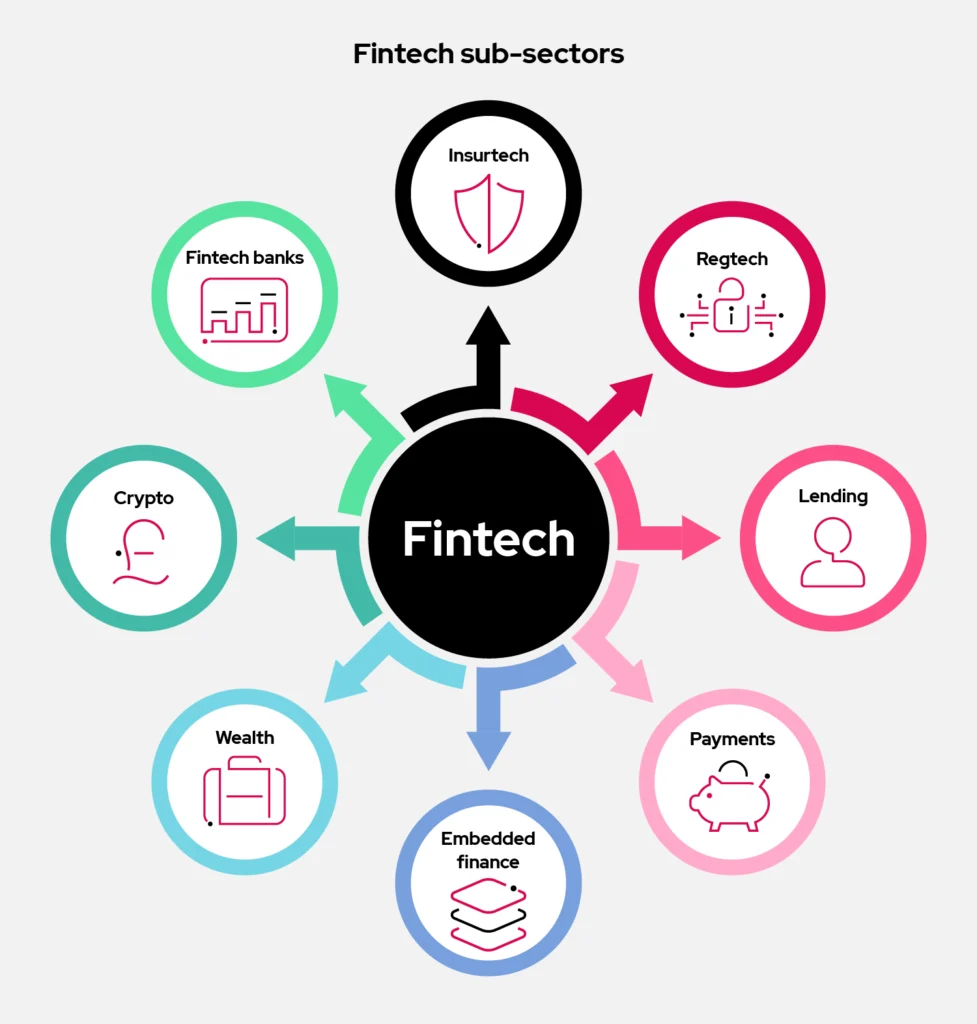
Fintech refers to technology-driven financial solutions designed to improve efficiency, accessibility, and user experience in financial services. It includes areas like digital banking, payment processing, investment platforms, insurance technology, lending solutions, and blockchain innovation.Fintech platforms can integrate specialized consumer lending software features such as automated credit assessments, flexible repayment options, and real-time loan tracking to enhance the borrowing experience for users.
Several factors have fueled fintech growth:
- Increasing smartphone and internet adoption
- Demand for faster digital payments
- Rise of online businesses and ecommerce
- Customer preference for convenient financial tools
- Advances in artificial intelligence and data analytics
Because of this rapid growth, fintech professionals are in high demand worldwide.Plus, using accounts receivable automation helps simplify invoicing and payments, making cash flow management smoother and less time-consuming.
Understand the Fintech Landscape First
Before entering fintech, it’s important to explore its main sectors. This helps you choose the direction that best fits your interests and skills.
Major fintech sectors include:
- Digital payments and mobile wallets
- Online banking and financial apps
- Investment and wealth management platforms
- Cryptocurrency and blockchain solutions
- Lending and crowdfunding platforms
- Insurance technology (InsurTech)
Understanding these sectors helps you focus your learning instead of trying everything at once.
Develop Relevant Skills
Fintech combines finance, technology, and business knowledge. Depending on your chosen path, different skills may be useful.
Technical Skills (Helpful but Not Always Required)

- Basic programming or data analysis
- Understanding financial software tools
- Cybersecurity awareness
- Artificial intelligence and automation basics
You don’t have to become a full developer, but basic tech literacy helps.
Financial Knowledge

- Personal finance principles
- Banking and payment systems
- Investment fundamentals
- Risk management concepts
Understanding financial processes gives you an advantage in fintech roles.
Business and Marketing Skills
- Digital marketing
- Product management
- Customer experience optimization
- Market research
These skills are especially valuable if you plan to launch a fintech startup or work in growth roles.
Learn Through Courses and Self-Education

Formal education helps, but fintech welcomes self-learners too. Many successful professionals entered the field through online learning and practical experience. With growing experience, they often find it easier to manage a white-label website to offer services under their own brand.
Effective learning methods include:
- Online certification courses
- Industry blogs and podcasts
- Fintech webinars and conferences
- YouTube educational content
- Case studies of fintech companies
Consistency matters more than speed. Even 30 minutes of daily learning builds strong knowledge over time.
Gain Practical Experience
Experience is crucial in fintech. Employers and clients value real-world skills more than theory alone.
Ways to gain experience:
- Freelance projects related to finance or tech
- Internships at financial or tech companies
- Personal fintech app or website projects
- Research and content writing about fintech topics
Practical exposure strengthens your resume and confidence.
Network With Industry Professionals
Networking often opens doors faster than applying blindly. Connecting with fintech professionals helps you learn trends, job opportunities, and insider insights. Monitoring IP addresses can help identify unusual activity or potential security threats, making them a crucial component of network management.
Effective networking strategies include:
- Joining fintech communities online
- Attending industry events or webinars
- Participating in hackathons or startup competitions
- Engaging on professional networking platforms
Building relationships can lead to mentorship, collaboration, or job referrals.
Consider Different Career Paths in Fintech
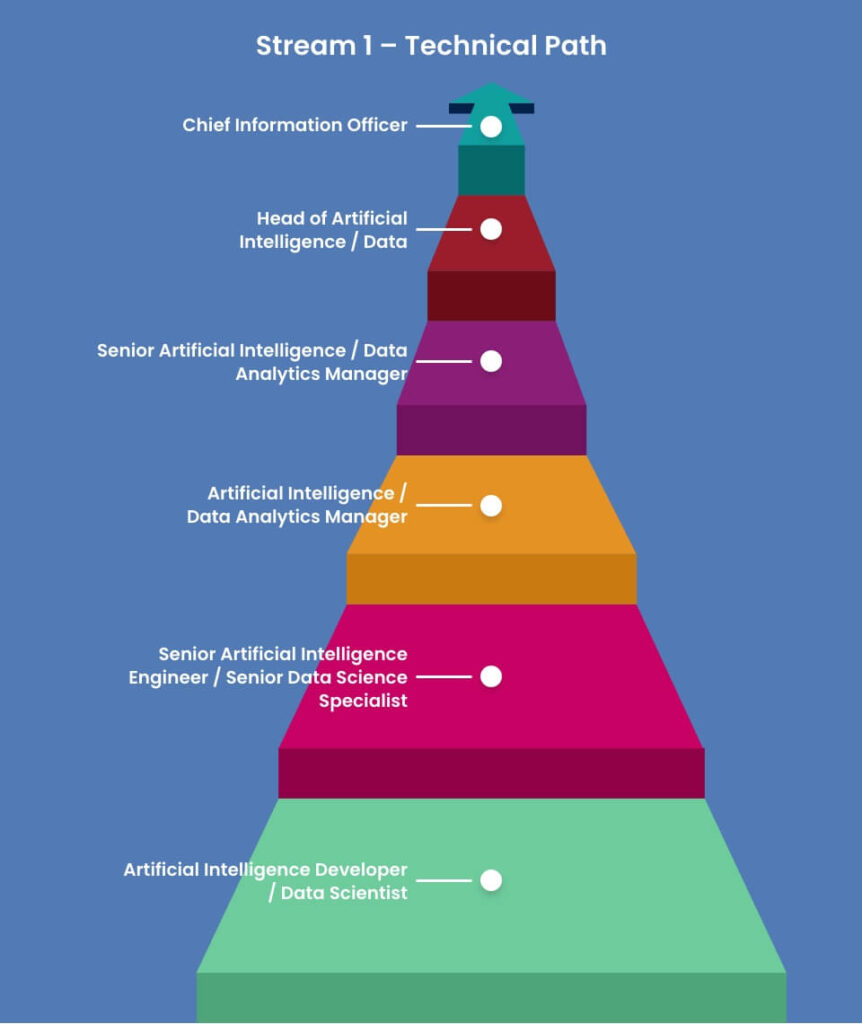
Fintech isn’t limited to one type of job. Depending on your interests, you can choose from several roles:
Technical Roles
- Software development
- Data analysis
- Cybersecurity
- Blockchain engineering
Business Roles
- Product management
- Marketing and growth strategy
- Customer success management
- Financial consulting
Entrepreneurial Path
You can also start your own fintech venture by identifying a financial problem and building a solution.
Choosing a path aligned with your strengths increases your chances of success.
Stay Updated With Industry Trends
Fintech evolves quickly. Staying informed keeps you competitive.
Key trends to watch include:
- Digital payment innovations
- Artificial intelligence in finance
- Cryptocurrency developments
- Open banking initiatives
- Financial data privacy regulations
Continuous learning is essential in this fast-moving industry.
Challenges You Should Expect
Entering fintech comes with challenges too:
- Rapid technological changes
- Strict financial regulations
- High competition in certain roles
- Constant need for skill upgrades
However, these challenges also create opportunities for growth.
Benefits of Working in Fintech
Despite challenges, fintech offers significant advantages:
- High career growth potential
- Competitive salaries
- Innovative work environment
- Opportunity to impact global finance
- Flexibility in remote work roles
These benefits make fintech one of the most attractive modern industries.
Final Thoughts
Getting into fintech may seem complex at first, but it becomes manageable when you break it into clear steps: understand the industry, develop relevant skills, gain practical experience, and stay updated with trends. Whether you aim for a career, freelance work, or launching a fintech startup, persistence and continuous learning are your biggest assets.
Fintech is not just about finance or technology — it’s about solving real financial problems using innovation. If you stay curious, adaptable, and proactive, you can successfully enter this exciting and fast-growing field.