How to get high quality leads using meta ads
From “Just Browsing” to “Ready to Buy”: My Secret Sauce for High-Quality Leads with Meta Ads
You know the feeling, right? You launch a Meta Ads campaign, you see the leads rolling in, and there’s that initial rush of excitement! But then, you start talking to them, and… crickets. Or they’re totally unqualified, ghost you after the first message, or were just looking for something free. It’s disheartening, and it makes you question if Meta Ads is even worth it for lead generation.
I’ve been there. I’ve wasted precious time and budget on leads that went nowhere. It felt like I was casting a huge net and catching a lot of tiny, unusable fish. But after a lot of tweaking, testing, and a few frustrated head-desks, I’ve figured out some key strategies that have dramatically improved the quality of my leads. It’s not about getting more leads; it’s about getting the right leads.
Here’s my personal playbook for attracting the cream of the crop with Meta Ads:
1. It All Starts with the Offer: The “What’s In It For Them?” Test
This is probably the single biggest lever I’ve found. The quality of your lead magnet (that freebie you offer for their contact info) directly dictates the quality of your leads. If you offer something generic, you’ll get generic interest.
- My Mistake: Early on, I offered a very broad “Free E-book.” Leads came in, but they were all over the map – some just curious, some not even in my target market.
- My “Aha!” Moment: I started making my offers super specific and high-value, directly solving a pain point for my ideal client. Instead of a generic e-book, I offered a “5-Step Checklist to or a “Customized Audit Template.” This instantly filters out the casual browsers. Only someone truly interested in that specific problem will download it.[Service]
- Pro Tip: Think about what your dream client wishes they had right now to solve their most pressing problem. Make that your lead magnet.
2. The Creative: Attracting the Right Eyes (and Repelling the Wrong Ones)
Your ad’s visual and copy aren’t just there to grab attention; they’re there to qualify (or disqualify) people before they even click.
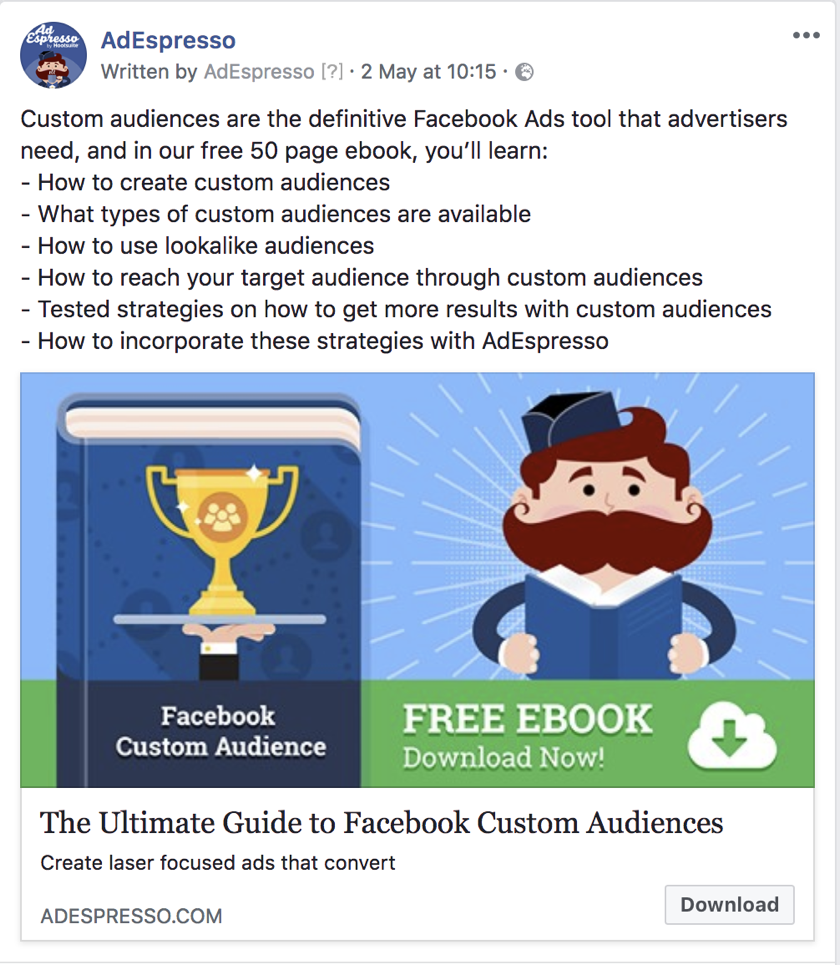
- My Mistake: I used bright, generic, clickbaity images and headlines, hoping to get maximum clicks. I got clicks, sure, but from anyone and everyone.
- My “Aha!” Moment: I started designing my ads to speak directly to my ideal client.
- Visuals: I use images/videos that feature my target audience or clearly show the solution to their specific problem. If my service helps busy entrepreneurs, I’ll show a calm, focused entrepreneur, not just a generic “business person.”
- Copy: My headlines and ad text now explicitly mention who the offer is for and what problem it solves. Phrases like “Are you a [Specific Persona] struggling with [Specific Problem]?” or “For [Specific Role] who want to [Specific Outcome].” This helps the right people say, “That’s me!” and the wrong people say, “Nope, not for me,” and scroll on by.
- Bonus Tip: Don’t be afraid to subtly include a “disqualifier” in your ad copy if you have a very specific service. For example, “Not for beginners” or “Only for businesses with over X revenue” can save you a lot of wasted clicks.
If you want to know about how lead generation work: https://zavify.co.uk/blog/how-lead-generation-works/
3. Laser-Focused Targeting: The Smarter Way to Find Your People
While I’ve learned to love broad targeting for scaling, for high-quality leads, especially when starting a new campaign, precise targeting is still incredibly powerful. It’s about combining Meta’s data with your own customer insights.
- My Mistake: Stacking too many interests, or using interests that were too generic. I’d target “small business owners” but forget to add other filters.
- My “Aha!” Moment:
- Custom Audiences: This is gold! I upload my existing customer lists, website visitors, or people who have engaged with my content. These are “warm” audiences who already know me, making them higher quality from the start.
- Lookalike Audiences: Once I have a good custom audience (like my best customers), I create lookalikes (e.g., “1% Lookalike of my past purchasers”). Meta finds new people who are statistically similar to my best customers – pure genius!
- Strategic Interest Targeting: If I do use interests, they’re now much more specific and often combined with demographics or behaviors. Instead of just “marketing,” I might target “marketing” AND “small business owner” AND “attended business events.” I also consider layering: targeting people who are interested in A and B.
- Exclusion Targeting: Just as important as who you target is who you exclude. I always exclude my existing customers and often people who have already taken my free offer, to avoid wasting impressions.
4. The Landing Page: The Final Filter for Intent
Someone clicked your ad, they’re on your landing page. This is their last chance to decide if your offer is truly for them. Your landing page needs to reinforce your ad’s message and clarify exactly who benefits.
- My Mistake: My landing pages were often too generic or didn’t clearly articulate the offer’s value to a specific person.
- My “Aha!” Moment: My landing pages now mirror the ad creative and copy. The headline is consistent, the benefits are clear, and I often include:
- “Who Is This For?” section: Explicitly stating who will benefit most.
- “Who Is This Not For?” section (sometimes): This is a bold move, but it’s a fantastic pre-qualifier. It says, “If you’re looking for X, this isn’t for you,” which saves me time and filters out bad fits.
- Minimal Form Fields: I only ask for essential info (name, email). If I need more, I’ll get it during the qualification call, not upfront. This keeps friction low for the truly interested.
5. Nurturing with Purpose: From Lead to Qualified Lead
Even with all these filters, not every lead is immediately ready to buy. That’s where a smart follow-up strategy comes in.
- My “Aha!” Moment: I stopped just sending a generic “thanks for downloading” email. Instead, I created a short, valuable email sequence that provides more specific tips, answers common questions, and subtly positions my paid offer as the next logical step. This helps warm up the lead and allows them to self-qualify further.
- Speed is Key: For leads that indicate high intent (e.g., booked a call directly from the landing page), I follow up immediately. Every minute counts!
The Ultimate Truth: Quality Over Quantity
Getting high-quality leads using Meta Ads isn’t about magical tricks; it’s about being incredibly intentional at every step. From the specific value of your offer, to the creative that speaks to your ideal client, to the precise targeting, and finally, a landing page that reinforces intent – every element works together as a filter.
It takes more thought and testing upfront, but the payoff? Fewer wasted conversations, higher conversion rates, and a much healthier, more predictable sales pipeline. So, stop chasing every lead, and start attracting the ones that truly matter. Your business (and your sanity!) will thank you.