
How to Choose the Right Marketing Channel for Your Business
Choosing the right marketing channel is one of the most important decisions a business can make.
However, many brands jump into platforms simply because they are popular. As a result, they waste time, money, and energy—without seeing real growth.
In reality, the right marketing channel depends on strategy, not trends.
This guide will walk you step by step through how to choose the best marketing channel, using short explanations and clear bullet points so you can apply it easily.
What Is a Marketing Channel?
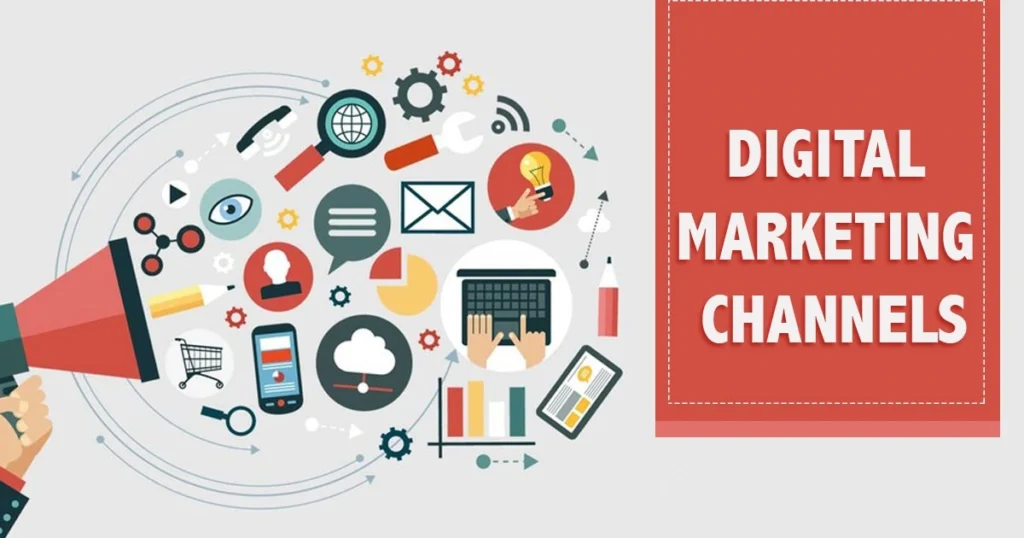
A marketing channel is any platform or medium used to reach your target audience and communicate your message.
Common marketing channels include:
- Social media platforms (Facebook, Instagram, TikTok, LinkedIn)
- Search engines (Google SEO, Google Ads)
- Email marketing
- Influencer and creator marketing
- Content marketing (blogs, YouTube, podcasts)
- Online marketplaces (Amazon, Daraz, Etsy)
However, using all of them at once is rarely effective. Therefore, choosing the right channel matters more than choosing many channels.
Step 1: Start With a Clear Business Goal

Before selecting a marketing channel, you must define what you want to achieve.
Without a goal, channel selection becomes guesswork.
Ask yourself:
- Do I want brand awareness?
- Do I want leads?
- Do I want direct sales?
- Do I want repeat customers?
For example:
- If your goal is awareness, social media and video platforms work well.
- If your goal is sales, search ads and marketplaces perform better.
- If your goal is long-term growth, SEO and content marketing are ideal.
Therefore, your goal should always come before the platform.
Step 2: Understand Where Your Audience Spends Time
Next, focus on your audience—not yourself.
Many businesses fail because they choose channels they like, not channels their customers use.
Consider these questions:
- What is the age group of my audience?
- Are they professionals or general consumers?
- Do they search on Google or scroll on social media?
- Do they prefer video, text, or images?
For instance:
- Younger users spend more time on TikTok and Instagram.
- Professionals are more active on LinkedIn and email.
- High-intent buyers usually search on Google.
As a result, choosing a channel without understanding audience behavior leads to low engagement.
Step 3: Match the Channel With Buyer Intent

Not every marketing channel serves the same purpose.
Some channels are better for discovery, while others are better for conversion.
Let’s break it down:
- Social media → Awareness & interest
- SEO & Google Ads → High buying intent
- Email marketing → Relationship building
- Influencer marketing → Trust & credibility
Therefore, ask yourself:
Is my customer browsing… or ready to buy?
When buyer intent matches the channel, results improve significantly.
Step 4: Evaluate Your Budget and Resources

Now comes a practical reality check.
Every channel requires different levels of investment.
Some channels need:
- Continuous ad spend
- Content creation skills
- Technical knowledge
- Long-term patience
For example:
- Paid ads give faster results but cost more.
- SEO takes time but reduces long-term costs.
- Influencer marketing needs relationship management.
- Email marketing needs a strong list to work.
Therefore, choose a channel you can sustain consistently, not one that drains your budget quickly.
Step 5: Choose a Channel That Matches Your Strengths
Every business has strengths—and weaknesses.
Instead of fighting them, use them.
Ask:
- Am I good at creating videos?
- Can I write helpful content?
- Do I enjoy data and analytics?
- Am I comfortable building relationships?
Examples:
- If you enjoy teaching → Content marketing works well.
- If you love numbers → Paid ads and funnels suit you.
- If you’re confident on camera → Video platforms perform better.
As a result, execution becomes easier and more effective.
Step 6: Focus on One Primary Channel First
One of the biggest marketing mistakes is trying everything at once.
When you spread effort too thin:
- No channel gets enough attention
- Data becomes confusing
- Results remain inconsistent
Instead:
- Pick one main marketing channel
- Commit to it for 30–90 days
- Track performance clearly
Measure:
- Traffic
- Leads
- Sales
- Engagement
Once one channel works, you can expand safely.
Step 7: Measure, Optimize, and Adapt
Marketing channels are not permanent.
Algorithms change. Platforms evolve. Audience behavior shifts.
Therefore, continuous optimization is essential.
Track key metrics such as:
- Cost per lead
- Conversion rate
- Customer acquisition cost
- Engagement rate
- Customer lifetime value
Based on data, refine your strategy. Over time, the right channel becomes obvious through results—not opinions.
Common Mistakes to Avoid

Avoid these common errors when choosing a marketing channel:
- Following trends blindly
- Copying competitors without strategy
- Expecting instant results from long-term channels
- Switching platforms too quickly
- Ignoring customer intent
Instead, focus on clarity, patience, and consistency.
Final Thoughts: Strategy First, Channel Second
Choosing the right marketing channel is not about what’s popular.
It’s about:
- Clear goals
- Audience behavior
- Buyer intent
- Budget reality
- Consistent execution
- Data-driven decisions
When chosen correctly, a marketing channel becomes a growth engine, not a cost.
Before asking “Which platform should I use?”, ask:
“Which channel makes the most sense for my customer and my business right now?”
That single question will save you time, money, and frustration—and lead to smarter marketing decisions.