A Comparison of the Best SEO Tools on the Market
In the modern digital landscape, Search Engine Optimization (SEO) has evolved from simple keyword insertion to a complex discipline involving technical architecture, content relevance, and authority building.
For founders, marketers, and enterprise teams, the challenge is no longer just “doing SEO”—it is navigating the vast ecosystem of software designed to execute it. The market is saturated with platforms promising #1 rankings, but the reality is more nuanced.
Choosing the right tool stack is a strategic investment. It dictates the quality of your data, the efficiency of your workflow, and ultimately, your ROI from organic search. This guide provides an authoritative comparison of the market leaders, stripping away marketing fluff to focus on capabilities, data integrity, and strategic value.
What Are SEO Tools?
At their core, SEO tools are software platforms that assist website owners in optimizing their digital presence for search engines like Google and Bing.
However, a modern definition must go deeper. These tools are great online tools and advanced search intelligence platforms. They function by simulating search engine crawlers, aggregating clickstream data, and utilizing APIs to provide actionable insights into:
- Keyword Intelligence: Search volume, intent classification, and competition levels.
- Backlink Profiles: The quantity and quality of external sites referencing your domain.
- Technical Health: Identifying crawl errors, broken links, and Core Web Vitals issues.
- SERP Analysis: Understanding the volatility and feature landscape of Search Engine Results Pages.
These tools bridge the gap between opaque search algorithms and actionable marketing tasks, transforming raw data into a roadmap for growth. To make this process actionable and systematic, SEO audit tools combined with a structured SEO audit checklist help teams organize findings, prioritize fixes, and ensure no critical optimization step is overlooked.
Related Concepts: All-in-One Suites vs. Specialized Point Solutions
When building a stack, it is crucial to distinguish between the two primary categories of SEO software. Misunderstanding this distinction often leads to bloated budgets and redundant features.
All-in-One SEO Platforms
These are the heavy hitters—SaaS platforms designed to cover every aspect of SEO.
- Examples: Semrush, Ahrefs, Moz Pro.
- Role: They serve as the central command center. They handle rank tracking, competitor research, and site auditing in a single interface.
Specialized (Point) Solutions
These tools focus deeply on one specific vertical of SEO, often outperforming all-in-one suites in that specific niche.
- Examples: Screaming Frog (Technical Crawling), Surfer (Content Optimization), Majestic (Link Intelligence).
- Role: They are used to supplement the all-in-one platforms for advanced tasks.
How SEO Tools Work: The Mechanics of Search Data
To evaluate these tools effectively, you must understand where their data comes from. None of these third-party tools (except Google’s own) have direct access to Google’s internal database. Instead, they rely on three data collection methods:
1. Proprietary Web Crawling
Tools like Ahrefs and Semrush operate their own massive web crawlers (bots) that scour the internet 24/7. They index billions of pages to map the link graph (who links to whom) and identify on-page changes.
2. Clickstream Data Aggregation
To estimate search volume and traffic, many tools purchase anonymized browsing data from third-party plugins and ISPs. They use statistical modeling to extrapolate this sample data to the global population.
3. SERP Scraping
Tools frequently “scrape” Google results to see where specific websites rank for specific keywords. This provides the rank tracking data that marketing teams monitor daily.
The Best SEO Tools: Use Cases and Market Leaders
This section categorizes the top tools by their primary strength and best-fit scenario for your business.
1. Semrush: The Best All-Around Marketing Suite
Best For: Marketing teams, agencies, and PPC/SEO hybrids.
Platform: Cloud-based (Web)
Pricing:
- Pro: $129.95/month
- Guru: $249.95/month
- Business: $499.95/month
Free Trial: 7-day free trial available
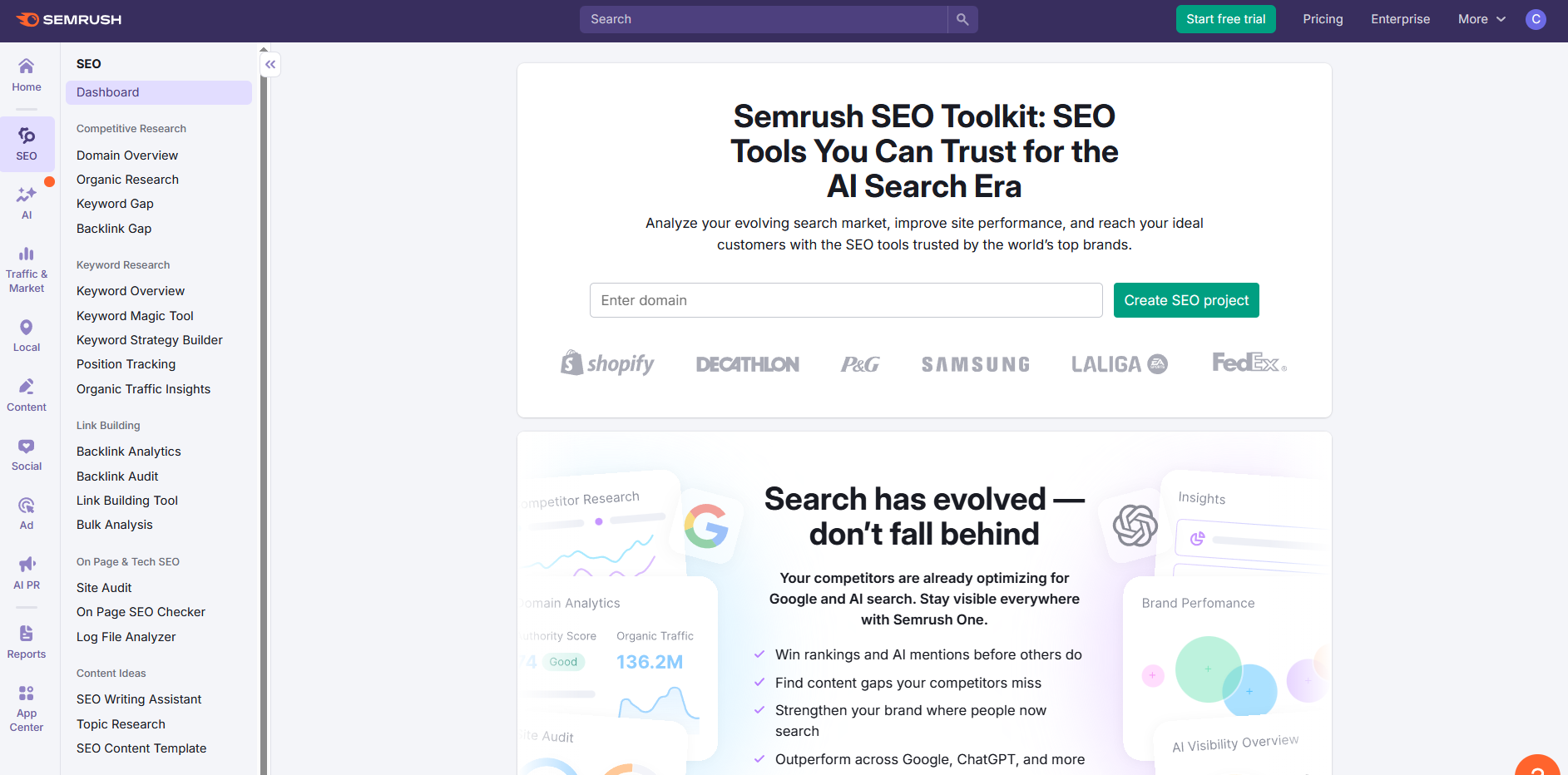
Semrush has evolved into a comprehensive digital marketing platform. While its roots are in SEO, it offers robust features for paid search (PPC), social media, and content marketing.
- Key Feature: The Keyword Magic Tool is widely considered the gold standard for keyword research, offering vast databases and excellent filtering for semantic variations.
- The Edge: It provides superior data on paid advertising competitors, making it ideal for teams managing both SEO and SEM.
2. Ahrefs: The Authority on Backlinks and Data Quality
Best For: Link builders, content strategists, and technical SEOs.
Platform: Cloud-based (Web)
Pricing:
- Lite: $129/month
- Standard: $179/month
- Advanced: $399/month
- Agency: $999/month
Free Trial: 7-day trial for $
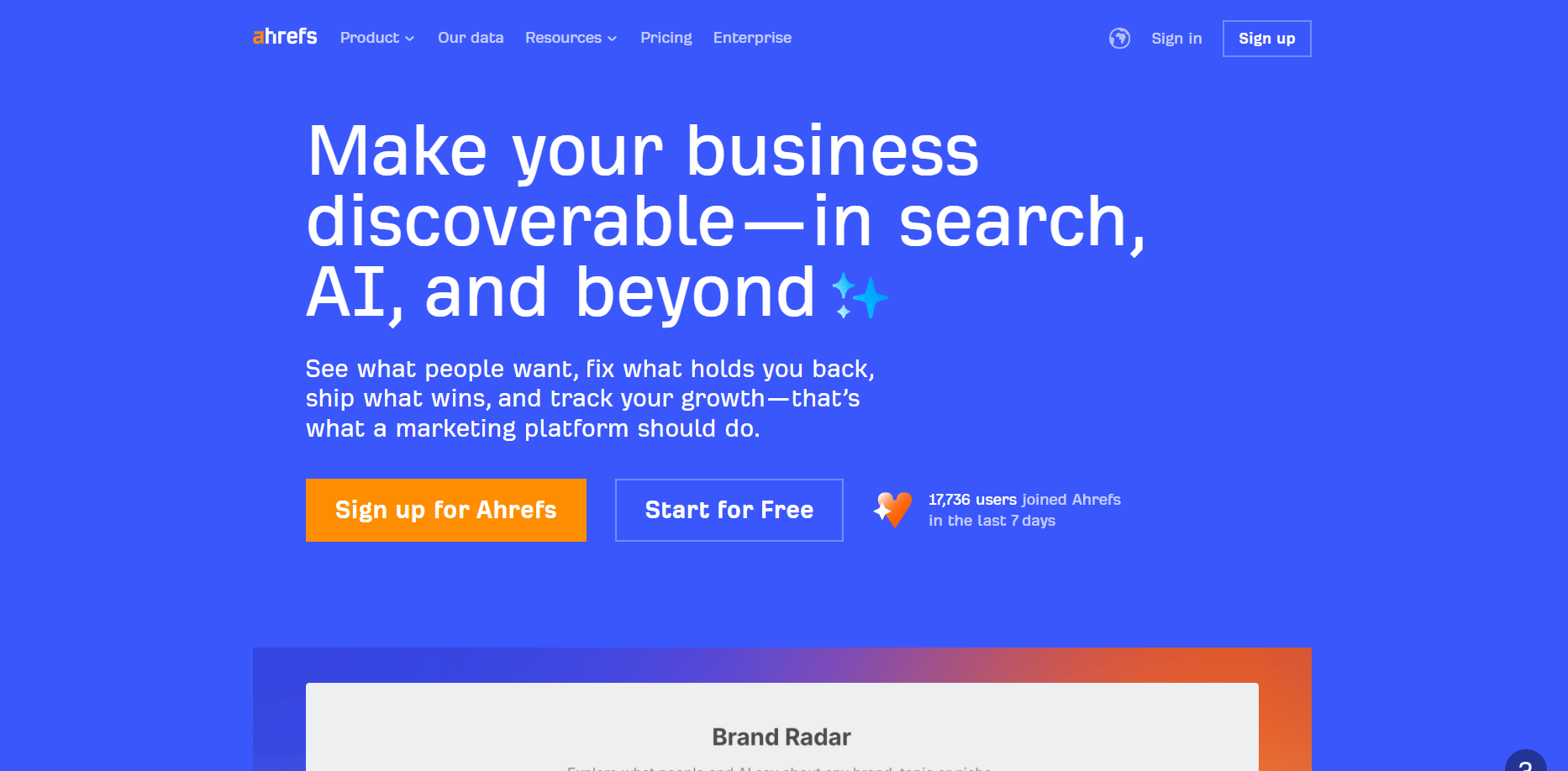
Ahrefs is revered for its user interface and the sheer speed of its crawler. It arguably possesses the most active and accurate live backlink index on the market.
- Key Feature: Site Explorer. It allows you to reverse-engineer any competitor’s success instantly, showing their top pages, traffic value, and referring domains.
- The Edge: Ahrefs is exceptional at surfacing “Content Gaps”—keywords your competitors rank for, but you do not.
3. Google Search Console (GSC): The Source of Truth
Best For: Everyone (Mandatory).
Platform: Cloud-based (Web)
Pricing: Free
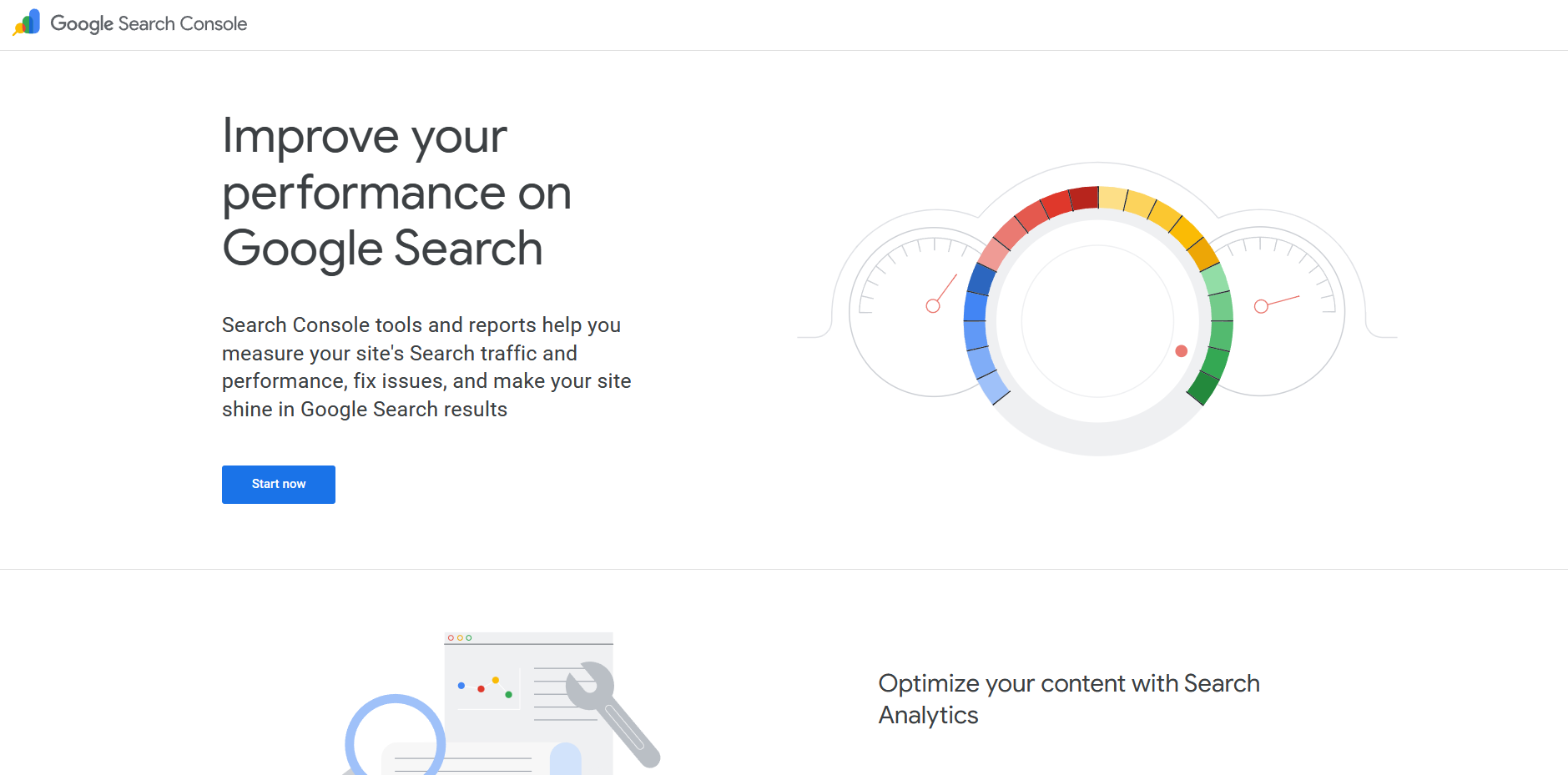
GSC is not a third-party tool; it is the direct line of communication between your website and Google. It is the only tool that provides actual performance data (clicks and impressions) rather than estimates.
- Key Feature: Index Coverage Report. It tells you exactly why Google is ignoring specific pages on your site.
- The Edge: It is completely free and provides the most accurate diagnostic data for technical issues and penalties.
4. Screaming Frog SEO Spider: The Technical Heavyweight
Best For: Technical audits, site migrations, and large enterprise sites.
Platform: Desktop app (Windows, Mac, Linux)
Pricing:
- Free version: Crawls up to 500 URLs
- Paid: £149/year (~$180/year) for unlimited URLs
Free Trial: Free limited version available
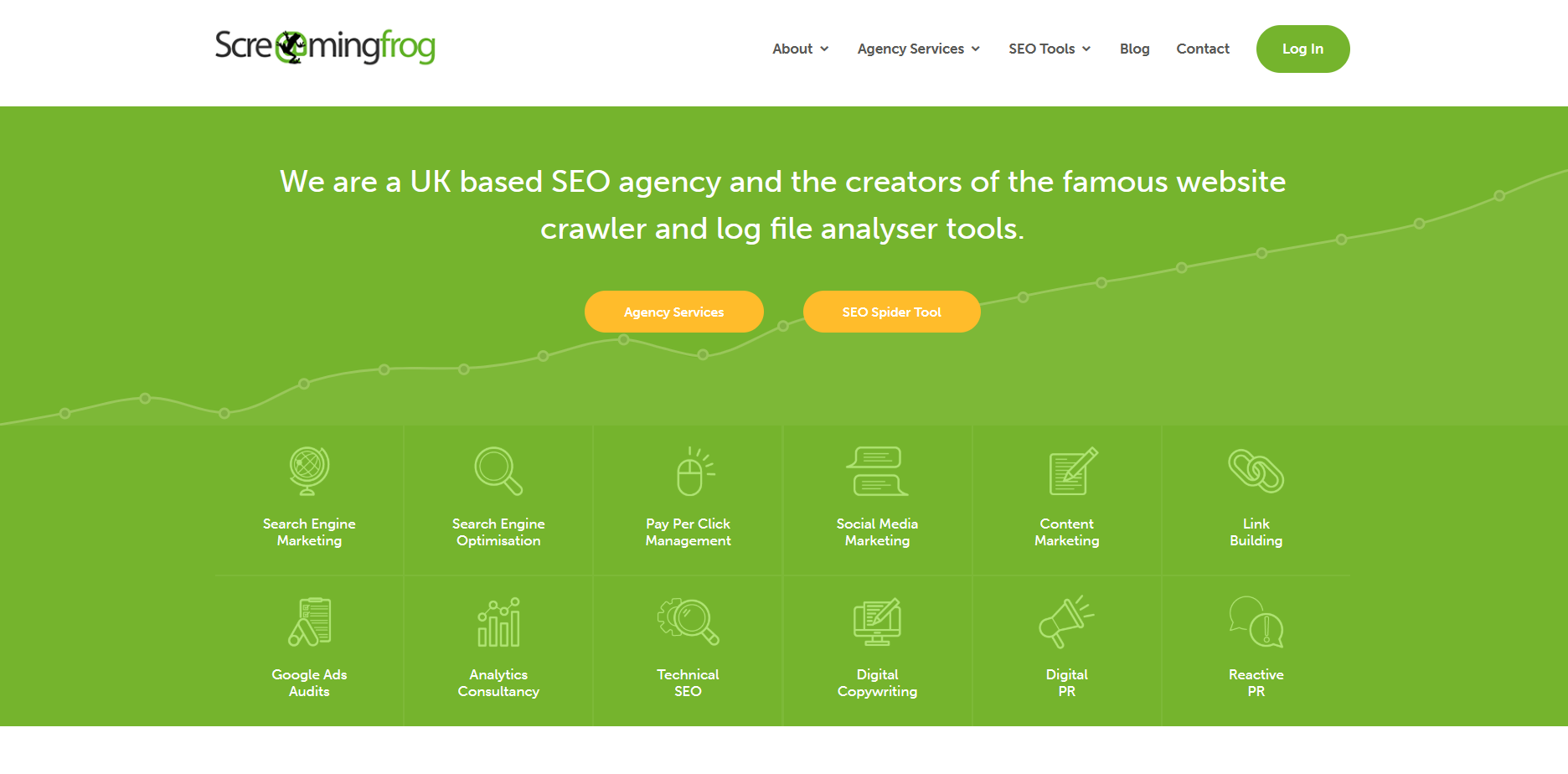
Screaming Frog is a desktop-based program (not a cloud SaaS) that mimics a search engine crawler. It crawls your website and spits out a granular spreadsheet of every technical element.
- Key Feature: Deep Crawl Analysis. It identifies redirect chains, duplicate content, missing meta tags, and JavaScript rendering issues.
- The Edge: Essential for “technical hygiene.” If you are migrating a website or auditing a site with 10,000+ pages, this tool is non-negotiable.
5. Surfer: The Semantic Content Optimizer
Best For: Content writers and editorial teams.
Platform: Cloud-based (Web)
Pricing:
- Basic: $59/month
- Pro: $119/month
- Business: $239/month
Free Trial: 7-day free trial
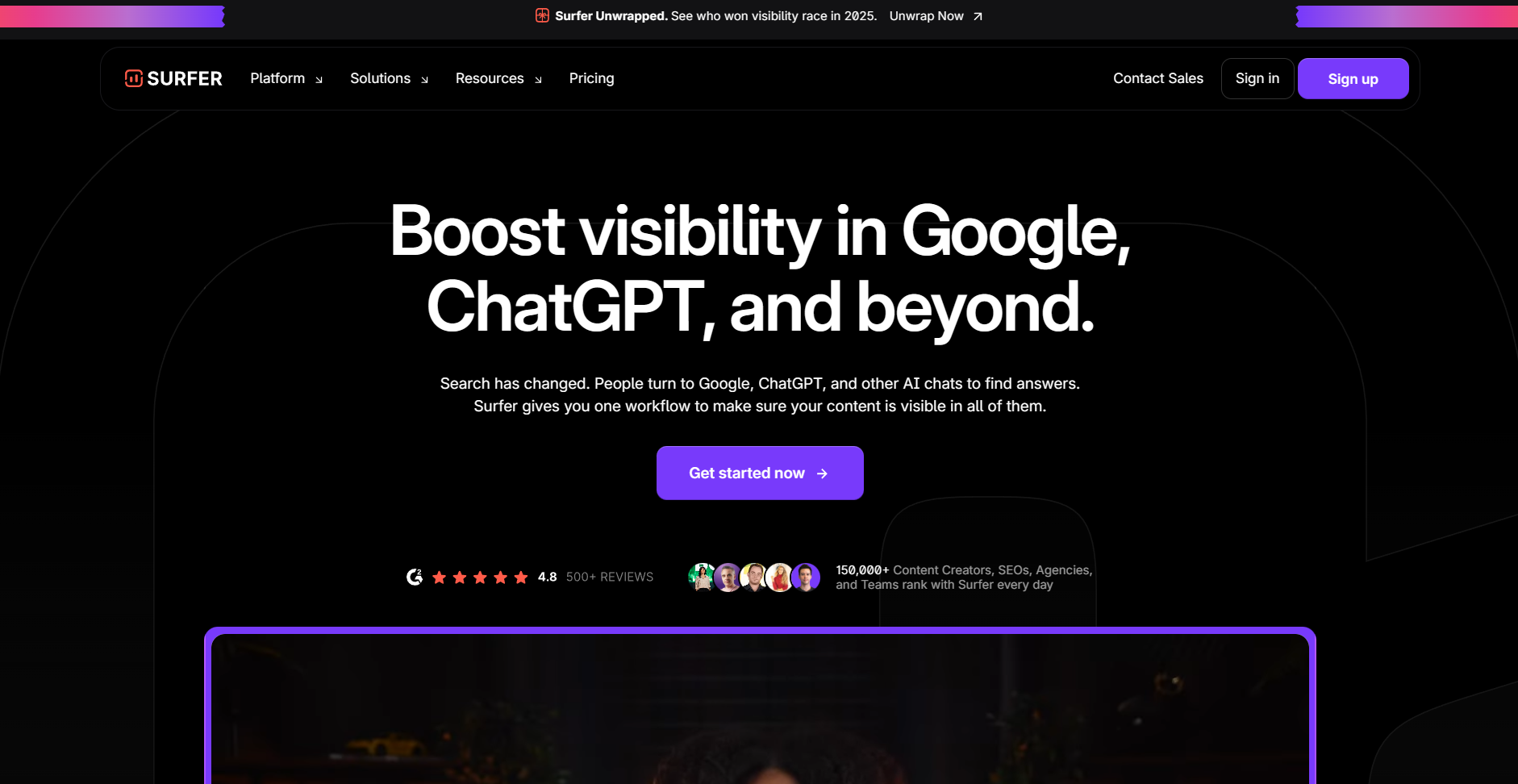
Surfer focuses purely on on-page SEO. It analyzes the top-ranking pages for a given keyword and uses correlational data to tell you exactly how to write your content to compete.
- Key Feature: Content Editor. It scores your content in real-time, suggesting semantic terms (NLP entities) to include, word count targets, and heading structures.
- The Edge: It removes the guesswork from writing, ensuring every article is semantically optimized before publication.
Benefits and Trade-offs
Investing in premium SEO software accelerates growth, but it requires a clear understanding of the limitations.
The Benefits
- Competitor Transparency: You can see exactly what strategies are working for your rivals, reducing trial and error. In this process, a web crawler comparison helps ensure more accurate and reliable competitor insights.
- Scalability: Automating audits and rank tracking allows teams to manage thousands of pages without manual labor.
- Data-Driven Decisions: Moves strategy away from “gut feeling” toward evidence-based planning.
The Trade-offs & Misconceptions
- Data Discrepancies: Third-party tools rely on estimates. Ahrefs might show a traffic volume of 500, while Semrush shows 1,000. Neither is “wrong”; they use different modeling. Never treat third-party metrics as absolute facts.
- Feature Bloat: Enterprise tools often come with features you will never use, yet you pay for the full suite.
- The “Tool Trap”: Buying a tool does not fix your SEO. Access to data is not the same as having the expertise to interpret and act on it.
How to Choose or Evaluate Your SEO Stack
When selecting a tool, use this framework to avoid overspending on redundant capabilities.
1. Define Your Maturity Level
- Early Stage/Solo: Start with Google Search Console (Free) + Ubersuggest or a low-tier Moz plan.
- Growth Stage: Invest in one major suite (Ahrefs or Semrush).
- Enterprise: You need a stack. Ahrefs (Link data) + Screaming Frog (Tech audit) + Clearscope/Surfer (Content). Also prioritise the tools that help you produce and measure high-quality content, as strong content quality is central to modern SEO page content analysis and performance.
2. Assess Data Needs
- Do you prioritize backlink analysis? (Lean toward Ahrefs/Majestic).
- Do you prioritize PPC and competitive research? (Lean toward Semrush).
- Do you prioritize local SEO? (Look for tools with local rank tracking and listing management like BrightLocal).
3. Check for Integration
Does the tool integrate with Google Analytics, Looker Studio, or your CMS? API access is crucial for enterprise reporting.
Final Thoughts
There is no single “best” SEO tool, only the best tool for your specific objective.
For most businesses, the decision comes down to Semrush vs. Ahrefs. If your focus is holistic digital marketing including ads and social, Semrush is likely the better value. If your focus is pure organic search, content strategy, and link building, Ahrefs generally offers a superior user experience and data clarity.
However, remember that software is merely a compass. It can point you in the right direction, but it cannot drive the ship. The highest ROI comes not from the tool itself, but from the SEO strategist who knows how to interpret the signals.