

Which Cloud PaaS Is Better — AWS or Azure?
Choosing between AWS (Amazon Web Services) and Microsoft Azure can feel confusing because both are powerful cloud platforms offering Platform-as-a-Service (PaaS) solutions. The truth is, there isn’t a single “best” option — it depends on your business needs, budget, and technical environment. Still, understanding their strengths can help you make the right decision.
Overview of AWS vs Azure
AWS and Azure are the two biggest cloud providers worldwide. AWS still leads in market share, while Azure is rapidly growing, especially among enterprise companies.
Both platforms offer:
- Cloud hosting
- Database services
- AI and machine learning tools
- App development platforms
- Storage and security services
But their focus and advantages differ.
When AWS Is the Better Choice
AWS is often preferred by startups, developers, and tech-focused companies because of its flexibility and extensive services.
⭐ Key Advantages of AWS:
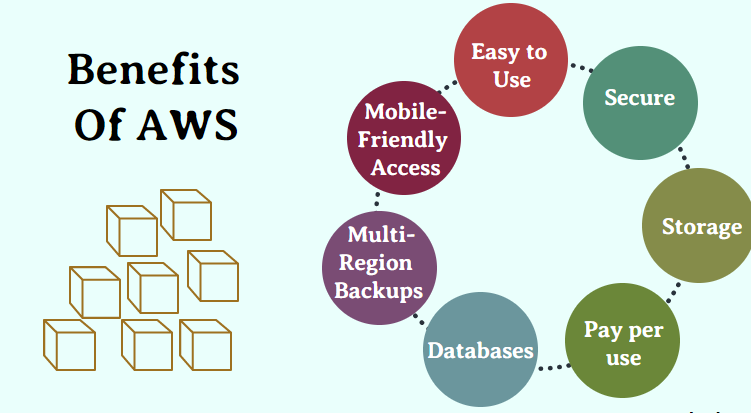
- Largest service ecosystem: AWS offers over 200 cloud services, covering almost every technical need.
- Strong developer tools: Ideal for app development, AI, and big data projects.
- Global infrastructure: Reliable performance worldwide.
- Innovation leadership: Frequent new features and updates.
👉 If your business needs advanced cloud technology, scalability, or experimental tech projects, AWS may suit you better.
When Azure Is the Better Choice
Azure is particularly strong for enterprises already using Microsoft products.
⭐ Key Advantages of Azure:
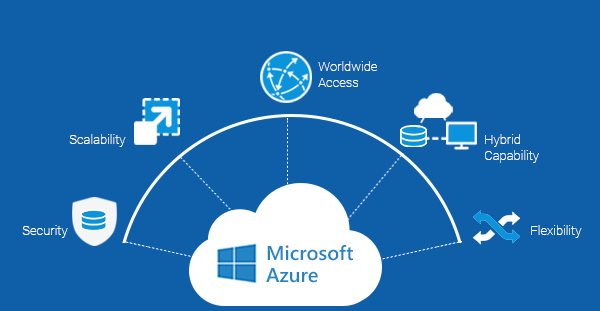
- Seamless Microsoft integration: Works smoothly with Windows Server, Office 365, and Visual Studio.
- Hybrid cloud strength: Great for combining on-premises systems with cloud services.
- Cost benefits for Microsoft users: Discounts and licensing benefits available.
- Enterprise-friendly environment: Widely used by large organizations.
👉 If your business uses Microsoft tools heavily, Azure often becomes the easier and more cost-effective choice.
Pricing Comparison
Both AWS and Azure follow a pay-as-you-go model, meaning you pay only for what you use.
However:
- Azure may be cheaper for Windows-based workloads.
- AWS pricing can be flexible but sometimes complex.
- Both offer free tiers and discounts for long-term usage.
👉 Pricing varies depending on your workload, so comparing real costs is important.
Performance and Features
Here’s a simple comparison:
| Feature | AWS | Azure |
|---|---|---|
| Market share | Leader globally | Second but growing fast |
| Service variety | Very wide range | Strong but fewer services |
| Hybrid cloud | Good | Excellent |
| Microsoft integration | Limited | Very strong |
| Developer ecosystem | Excellent | Good |
Both platforms provide strong security, scalability, and reliability.
Which Platform Is Easier to Learn?
This depends on your background:
- Developers: Often prefer AWS because of flexibility.
- Microsoft users: Azure feels more familiar.
- Beginners: Azure’s interface may be simpler initially.
Real-World Business Use Cases
Choose AWS if you:
- Run a startup or tech company
- Need advanced cloud experimentation
- Build AI or data-heavy apps
- Want maximum scalability
Choose Azure if you:
- Use Microsoft products already
- Run enterprise systems
- Need hybrid cloud infrastructure
- Focus on business applications
Final Verdict — AWS or Azure?
👉 AWS is better for innovation, flexibility, and global scalability.
👉 Azure is better for enterprise integration, Microsoft compatibility, and hybrid cloud setups.
Instead of asking “Which is best?” ask:
- What tools do I already use?
- What budget do I have?
- What technical skills does my team have?
That will guide the right choice.