
If you run a Shopify store, ranking on Google for the right keywords can completely change your business. Instead of constantly paying for ads, you can attract customers organically — people who are already searching for products like yours. To Rank your shopify store, Keywords is very important.
However, many Shopify store owners struggle with SEO because they focus only on design or ads while ignoring search optimization. The good news is that ranking your Shopify store for keywords is absolutely possible with the right strategy.
Let’s break down exactly how you can do it step by step.
Understand Keyword Intent First
Before optimizing anything, you must understand what your customers are actually searching for. Keywords are not just words — they reflect intent.
Generally, keywords fall into three main types:
- Informational keywords – People looking for information (e.g., “best fabric for kids clothing”)
- Commercial keywords – People comparing options (e.g., “best Shopify clothing stores”)
- Transactional keywords – People ready to buy (e.g., “buy kids cotton t-shirt online”)
For ecommerce stores, transactional keywords usually bring the highest conversions. Therefore, always prioritize buyer-intent keywords when optimizing product and collection pages.
Do Proper Keyword Research
Keyword research is the foundation of Shopify SEO. Without it, you’re basically guessing.
You can find strong keywords using:
- Google autocomplete suggestions
- Keyword research tools (Ahrefs, SEMrush, Ubersuggest)
- Competitor analysis
- Customer search behavior
Focus especially on:
- Long-tail keywords (less competition)
- Location-based keywords if relevant
- Niche product-specific phrases
Once you have a list, organize keywords by product, category, and blog content.
Optimize Product Pages Carefully
Your product pages are where conversions happen, so they must be optimized correctly.
Make sure to:
- Include your main keyword naturally in the product title
- Write unique product descriptions (avoid supplier copy)
- Explain benefits, not just features
- Use readable formatting with short paragraphs
Additionally, include secondary keywords naturally throughout the description. But avoid keyword stuffing — Google values natural language more than repetition.
A well-optimized product page improves both rankings and sales.
Improve Collection Page SEO
Collection pages often rank better than individual products because they target broader keywords.
For example:
- Instead of only “blue kids shirt,” use
→ “Kids Clothing Collection”
→ “Summer Kids Wear Pakistan”
To optimize collection pages:
- Add a keyword-rich collection title
- Write a short SEO description
- Link related products internally
- Include relevant images with alt text
This helps search engines understand your category better and increases ranking chances.
For How to Improve Seo, Read this: https://zavify.co.uk/blog/how-to-improve-seo-on-shopify/
Write SEO-Friendly Meta Titles and Descriptions
Meta titles and descriptions influence whether people click your link in Google results.
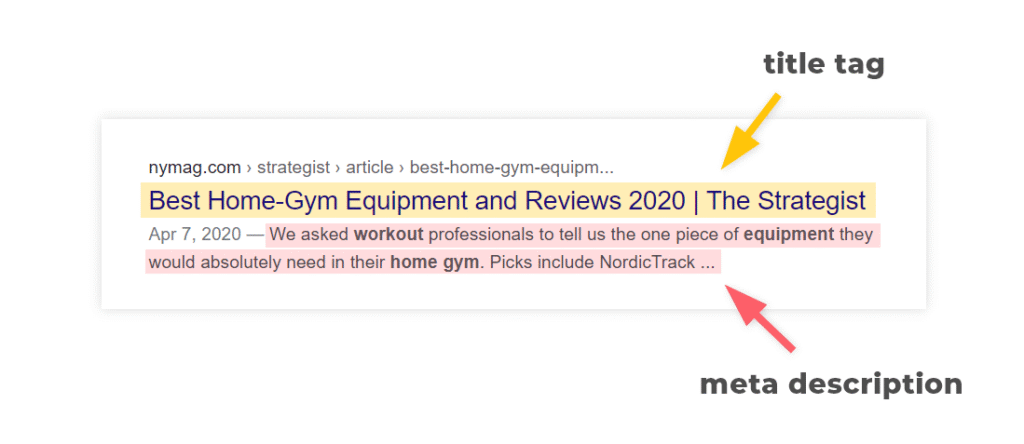
A strong meta title should:
- Include your main keyword
- Be clear and compelling
- Stay under about 60 characters
A good meta description should:
- Summarize the page clearly
- Highlight benefits or offers
- Encourage clicks
Although meta descriptions don’t directly improve rankings, they increase click-through rate — which indirectly helps SEO.
Optimize Images for Keywords
Many Shopify stores ignore image SEO, but it can bring additional traffic through image search.
Before uploading images:
- Rename files with keywords (example: kids-red-shirt.jpg)
- Add descriptive alt text
- Compress images for faster loading
This improves accessibility, speed, and keyword relevance simultaneously.
Improve Shopify Site Speed
Page speed is a confirmed Google ranking factor. Slow stores lose both rankings and customers.
Common ways to improve speed include:
- Using lightweight Shopify themes
- Compressing images properly
- Removing unused apps
- Minimizing scripts and animations
Faster websites create better user experiences, and Google prioritizes user satisfaction.
Create High-Quality Blog Content
Blogging is one of the most powerful SEO strategies for Shopify.
While product pages target buying keywords, blogs target informational keywords. Over time, this builds authority and trust.
Effective blog topics include:
- Product guides
- How-to articles
- Industry tips
- Customer education content
For example:
- “How to choose the right kids clothing size”
- “Best fabrics for summer wear”
- “Tips for online clothing shopping”
Consistent blogging brings steady organic traffic.
Build Strong Internal Links
Internal linking helps search engines understand your website structure.
It also keeps visitors browsing longer.
Best internal linking practices:
- Link blog posts to products
- Link related products together
- Connect collection pages strategically
- Use descriptive anchor text
Strong internal linking improves SEO and user engagement simultaneously.
Get Quality Backlinks
Backlinks remain one of the strongest ranking signals.
Simply put, when other websites link to your store, Google sees your site as trustworthy.
Good backlink sources include:
- Guest blogging
- Influencer collaborations
- Product reviews
- Online directories
- Industry partnerships
Focus on quality, not quantity. A few authoritative backlinks are better than many low-quality ones.
Improve User Experience (UX)
User experience plays a bigger role in SEO than many people realize. Implementing omnichannel personalization software can help ensure consistent messaging and tailored experiences across all touchpoints, which is crucial for optimizing user engagement.
Google measures:
- Bounce rate
- Time on site
- Page engagement
- Mobile friendliness
To improve UX:
- Keep navigation simple
- Make checkout easy
- Use clear calls to action
- Ensure mobile responsiveness
When visitors enjoy your store, rankings often improve naturally. To monitor your progress and see how your keywords perform in search results, consider working with a google rank check seo agency that can provide professional tracking and performance insights.
Be Consistent With SEO Efforts
SEO is not instant.
Unlike ads, results take time. However, consistent optimization leads to sustainable growth. A clear Shopify SEO strategy can help store owners improve product visibility, strengthen collection pages, and build more reliable organic traffic over time
Stay consistent with:
- Content updates
- Keyword optimization
- Performance tracking
- Technical improvements
Over time, your Shopify store builds authority and ranks higher.
Final Thoughts
Getting your Shopify store to rank for keywords is not about shortcuts or tricks. It requires:
- Smart keyword research
- Optimized product and collection pages
- High-quality content
- Fast website performance
- Strong user experience
When these elements work together, your store becomes more visible, trustworthy, and profitable.
Instead of depending only on paid ads, invest in SEO. The long-term benefits — free traffic, better conversions, and stronger brand authority — are worth the effort.
I genuinely appreciated
reading this article because it was
extremely informative for me.
The way you explained the topic
was well structured,
and it gave me a better understanding.
I was looking for a clear explanation,
but this one stood out.
Many thanks for sharing such
insightful content.
Looking forward to more posts like this.