
Walk into any successful retail brand’s office—whether it’s a global fashion giant or a fast-growing local ecommerce store—and you’ll notice one thing immediately: marketing is not an expense, it’s an investment.
Retailers don’t randomly throw money at ads and hope something works. In fact, most retailers knowingly spend nearly half of their annual marketing budget on just five core strategies. These strategies aren’t trends or experiments; they are proven growth engines that directly influence sales, brand loyalty, and long-term survival.
So what are these five strategies that retailers trust enough to pour massive budgets into? Let’s break them down—not like a boring report, but like a real story of how modern retail wins attention and wallets.
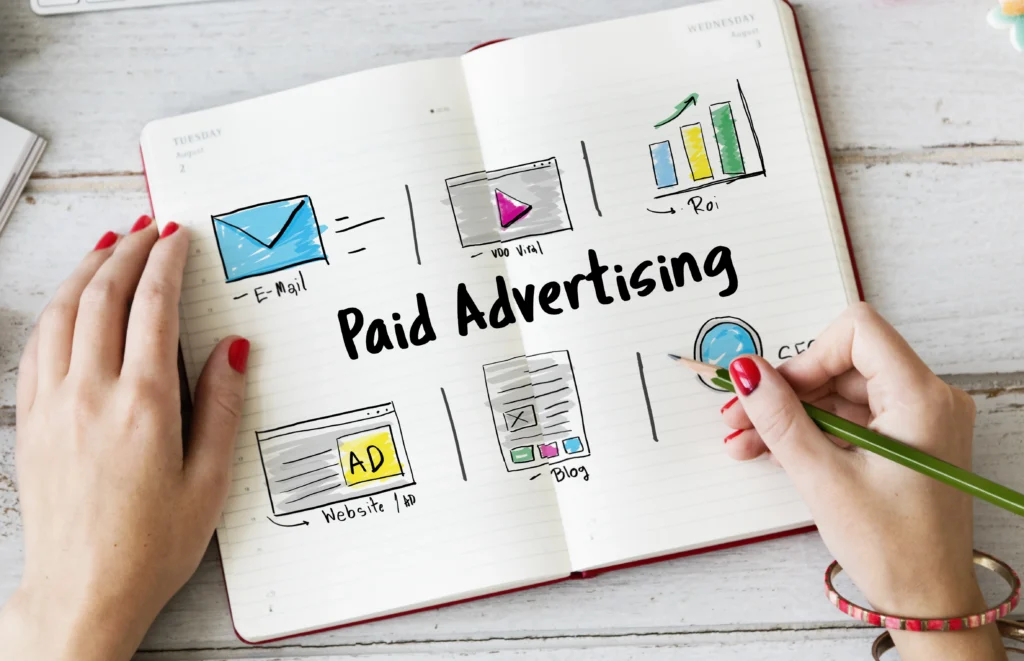
1. Paid Advertising: Buying Attention in a Crowded World
Let’s start with the obvious one.
Retailers spend a huge chunk of their budget on paid advertising, and for a simple reason: attention today is expensive.
Whether it’s:
- Facebook & Instagram ads
- Google Search and Shopping ads
- TikTok ads
- YouTube video ads
Retailers are paying to appear exactly where their customers are already scrolling, searching, and watching.
Why do they invest so heavily here?
Because paid ads deliver speed and scale. A new product launch that might take months to gain organic traction can reach thousands—or millions—of people within hours using paid media.
Smart retailers don’t just “run ads.” They:
- Test multiple creatives
- Analyze customer behavior
- Retarget visitors who didn’t buy
- Optimize campaigns daily
Paid advertising becomes a predictable sales machine when done correctly, which is why retailers keep feeding it budget year after year.
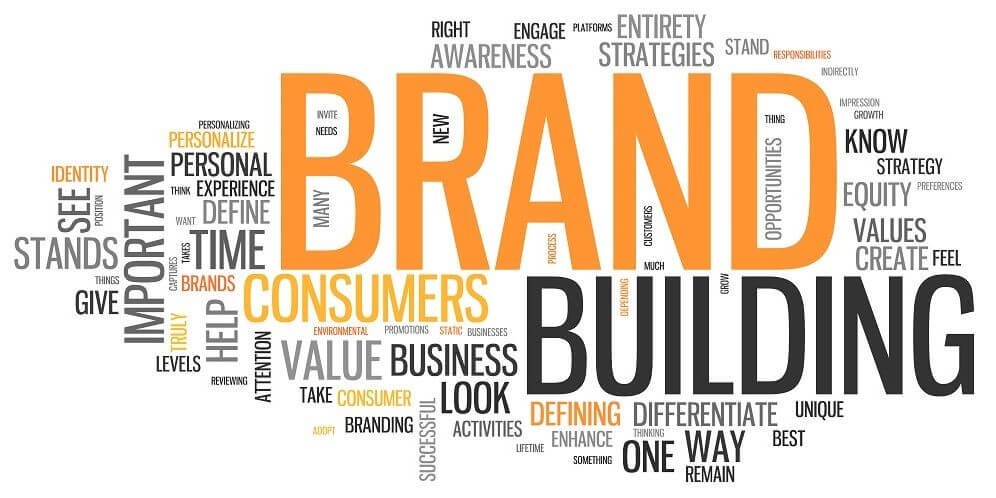
2. Brand Building: The Silent Money Magnet
This is where many beginners get confused.
Brand building doesn’t always show instant sales—but retailers still invest heavily in it. Why? Because brands reduce selling resistance.
Think about it:
Would you rather buy from a brand you recognize and trust, or a random store you’ve never heard of?
Retailers spend millions on:
- Professional visuals and custom packaging
- Brand storytelling
- Consistent messaging across platforms
- Emotional video campaigns
- Sponsorships and collaborations
Brand building creates familiarity, and familiarity creates trust. Over time, this trust lowers ad costs, increases repeat purchases, and turns customers into promoters.
The strongest retail brands don’t fight for attention—they attract it. And that attraction is built slowly, deliberately, and expensively.
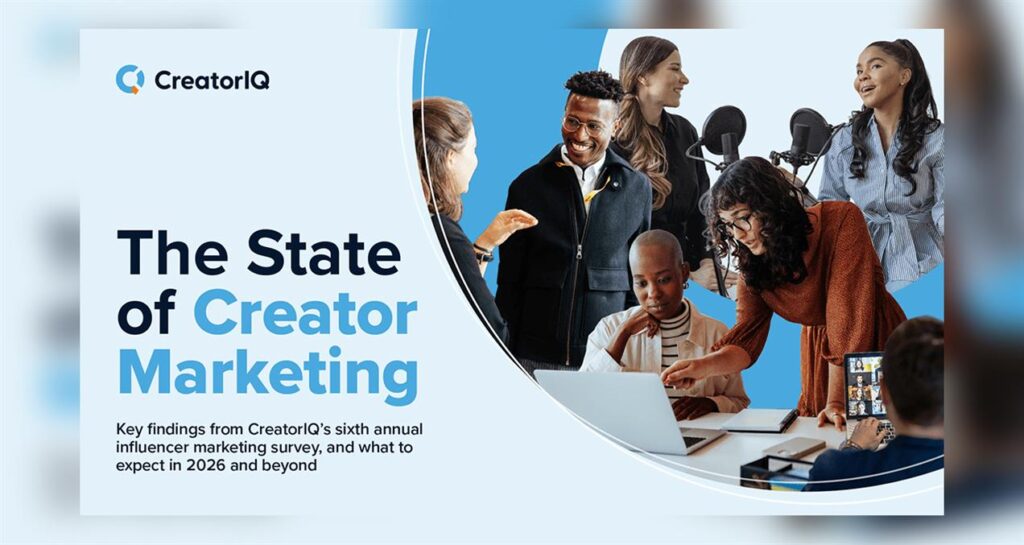
3. Influencer & Creator Marketing: Trust Borrowed at Scale
Retailers understand one powerful truth:
People trust people more than ads.
That’s why influencer and creator marketing has become one of the biggest budget consumers in retail marketing. As brands look to manage these investments, SARAL can help simplify influencer campaign management and tracking.
Instead of shouting “Buy this product!”, retailers let:
- Content creators
- Niche influencers
- Industry experts
Show the product naturally in real life.
This strategy works because it feels authentic. When a trusted creator uses or recommends a product, it doesn’t feel like marketing—it feels like advice. This growing reliance on trusted voices has also contributed to the rise of influencer and creator marketing agencies within the retail marketing ecosystem.
Retailers invest in:
- Long-term influencer partnerships
- Product seeding campaigns
- Affiliate programs
- User-generated content (UGC)
The bonus? This content can often be reused in paid ads, websites, and social media—stretching the value of every dollar spent.
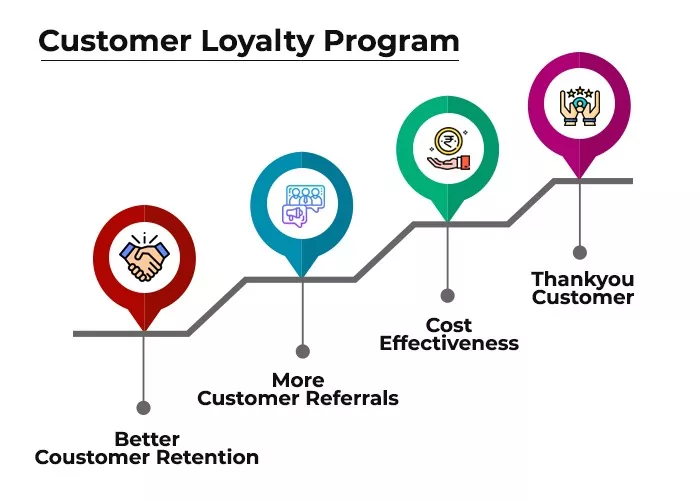
4. Customer Retention & Loyalty Programs: The Hidden Profit Engine
Here’s a fact most people don’t realize:
It costs far more to acquire a new customer than to keep an existing one.
Retailers know this—and they act on it.
A significant portion of their marketing budget goes into:
- Email marketing
- SMS campaigns
- Loyalty programs
- Personalized offers
- Retention automation
Instead of constantly chasing new buyers, smart retailers focus on turning one-time customers into repeat buyers.
Think reward points, exclusive discounts, early access, birthday offers. These aren’t “nice extras.” They are calculated investments designed to increase customer lifetime value. For example, a company like Church Steeples could offer price reducitons on future steeple cleaning or maintenance services to past customers, making it more likely they’ll return when their church needs work done.
When retention improves, profits rise without increasing ad spend. That’s why this strategy quietly consumes a massive share of marketing budgets.
If you want to know about Broad Targeting vs Interest Targeting, Read this: https://zavify.co.uk/blog/broad-targeting-vs-interest-targeting-updated-meta-ads-truth/#google_vignette
5. Data, Analytics & Marketing Technology: The Brain Behind the Budget
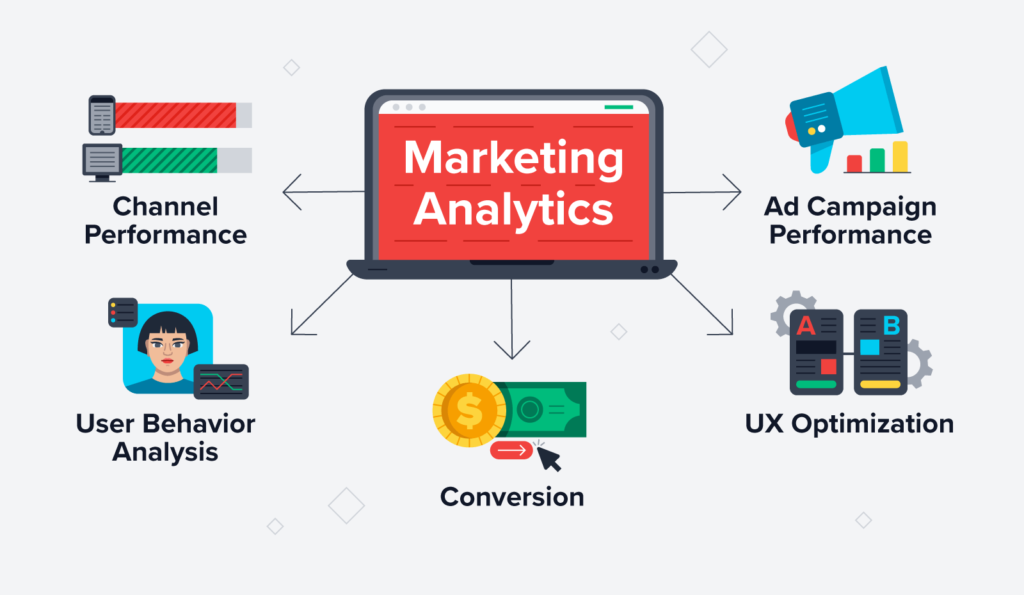
This strategy doesn’t look flashy—but it might be the most important one.
Retailers invest heavily in:
- Customer data platforms
- Analytics tools
- CRM systems
- Attribution software
- AI-based optimization tools
Why?
Because marketing without data is gambling.
Retailers use data to:
- Understand customer behavior
- Track which campaigns actually drive sales
- Optimize budgets in real time
- Personalize messaging at scale
Instead of guessing, they make decisions based on numbers. This allows them to cut waste, double down on what works, and predict future performance.
In today’s competitive market, data isn’t optional—it’s the command center of all marketing strategies.
Why Retailers Focus on These Five Strategies
These five strategies dominate retail budgets because together, they cover the full customer journey:
- Paid ads bring attention
- Branding builds trust
- Influencers add authenticity
- Retention increases lifetime value
- Data ensures smarter decisions
Individually, each strategy is powerful. Combined, they create a self-reinforcing growth system.
Retailers aren’t just spending money—they’re engineering growth.
Final Thoughts
If you ever wonder why some retailers grow rapidly while others struggle, the answer often lies in where and how they spend their marketing budget.
The most successful retailers don’t chase every new trend. They double down on strategies that:
- Build long-term value
- Strengthen customer relationships
- Create predictable revenue
And that’s why these five marketing strategies consistently consume nearly half of their annual marketing spend—because they work.
If a customer loved reading this article, it’s because great marketing isn’t just about selling products…
It’s about telling stories, building trust, and making people feel confident in their choices.