What Is Migration in Cloud Computing?
Cloud computing has transformed how businesses manage data, applications, and IT infrastructure. One of the most important steps in adopting cloud technology is cloud migration — the process of moving digital assets such as data, applications, databases, and workloads from local servers or older systems to cloud environments.
Cloud migration helps organizations modernize operations, improve performance, reduce costs, and increase flexibility. Whether it’s a small business shifting its website to the cloud or a large enterprise moving complex systems, migration plays a critical role in digital transformation.
Understanding Cloud Migration Simply
Cloud migration means transferring IT resources from:
- On-premise servers to the cloud
- One cloud provider to another
- Legacy systems to modern cloud infrastructure
The goal is usually better scalability, cost savings, improved accessibility, and stronger security.
Many companies migrate gradually rather than all at once to reduce risk and ensure smooth transitions.
Types of Cloud Migration
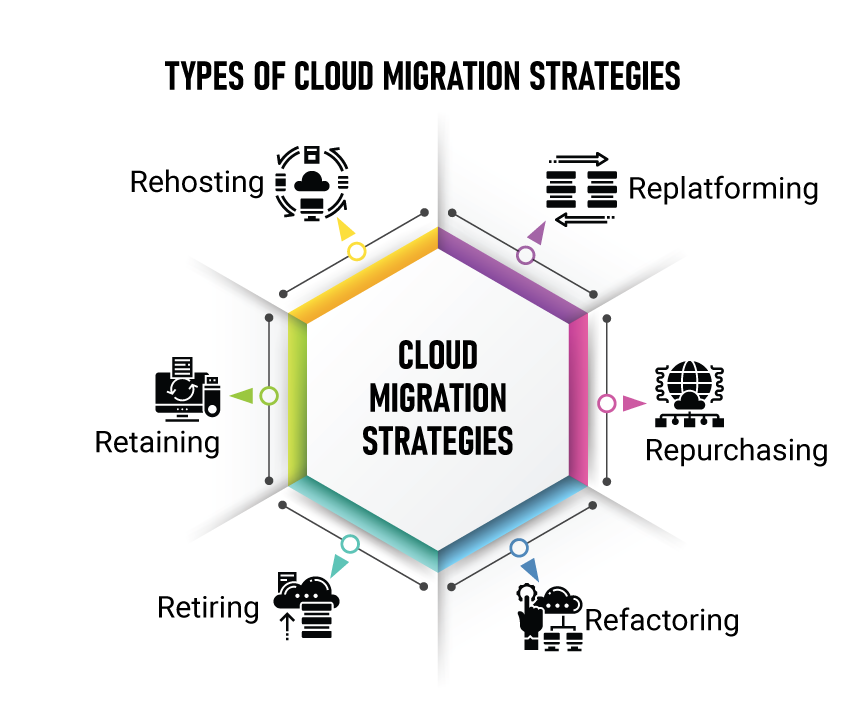
Cloud migration is not a single process. There are several approaches depending on business needs and technical goals.
1. Rehosting (Lift and Shift)
This involves moving applications to the cloud without major changes. It’s the fastest and simplest method, often used when businesses want quick cloud adoption.
2. Replatforming
Some optimization occurs during migration. Applications may be adjusted slightly to take advantage of cloud performance or scalability.
3. Refactoring (Re-architecting)
This method redesigns applications completely for cloud environments. Although complex, it provides maximum benefits.
4. Hybrid Migration
Organizations combine on-premise systems with cloud services, gradually shifting operations over time.
Each method depends on budget, timeline, and business goals.
Popular Cloud Platforms Used for Migration
Many organizations migrate to well-established cloud providers such as:
- Amazon Web Services — Known for scalability and global infrastructure.
- Microsoft Azure — Strong integration with enterprise software.
- Google Cloud Platform — Popular for analytics, AI, and modern applications.
These providers offer migration tools and support to simplify the transition.
Benefits of Cloud Migration
Businesses move to the cloud because of several advantages.
✔ Cost Savings
Cloud infrastructure reduces hardware costs and maintenance expenses.
✔ Scalability
Resources can increase or decrease instantly based on demand.
✔ Improved Performance
Cloud servers often provide faster processing and reliability.
✔ Remote Accessibility
Teams can access systems from anywhere with internet connectivity.
✔ Enhanced Security
Cloud providers offer advanced security features, backups, and monitoring.
These benefits help organizations stay competitive in the digital era.
Challenges of Cloud Migration
While beneficial, migration also comes with challenges that need proper planning.
Data Security Concerns
Sensitive data must be protected during transfer and storage.
Downtime Risks
Improper migration planning can disrupt business operations.
Compatibility Issues
Legacy applications may require modification before migration.
Cost Management
Unexpected costs can arise without careful budgeting.
Proper planning, testing, and expert guidance reduce these risks.
Steps in a Typical Cloud Migration Process
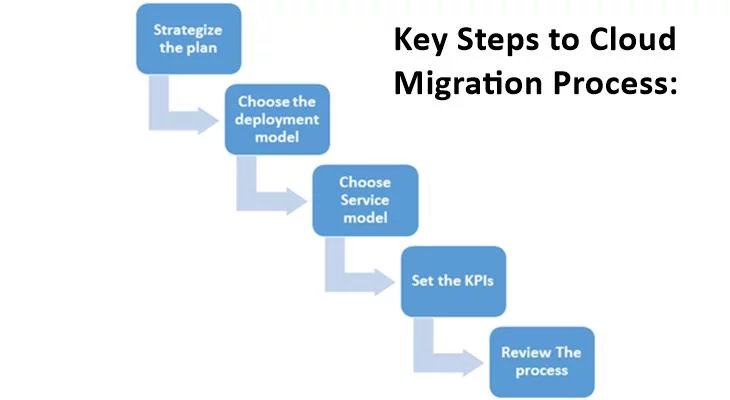
Successful migration usually follows a structured process:
- Assessment: Analyze current systems and migration goals.
- Planning: Choose migration strategy and cloud provider.
- Preparation: Optimize data, applications, and infrastructure.
- Migration Execution: Move workloads to the cloud.
- Testing: Ensure everything works properly.
- Optimization: Improve performance and cost efficiency.
Following these steps ensures smoother transitions.
When Should a Business Consider Migration?
Organizations often migrate when:
- Hardware becomes outdated
- Maintenance costs rise
- Remote work increases
- Scalability becomes essential
- Digital transformation goals emerge
Migration helps businesses stay technologically relevant.
Future of Cloud Migration
Cloud migration continues to grow as businesses adopt:
- Artificial intelligence integration
- Hybrid and multi-cloud environments
- Automated migration tools
- Edge computing solutions
These advancements make migration faster, safer, and more efficient.
Final Thoughts
Migration in cloud computing is a strategic move that enables businesses to modernize operations, improve efficiency, and reduce infrastructure costs. While the process requires planning and expertise, the long-term benefits often outweigh the challenges.
Whether you run a startup or manage enterprise systems, understanding cloud migration helps you prepare for the future of digital business.