
What Are the Eight Functions of Marketing?
Marketing is often misunderstood as just advertising or selling. However, marketing is much broader than promotion alone. It includes multiple activities that help businesses understand customers, deliver value, and build long-term relationships.
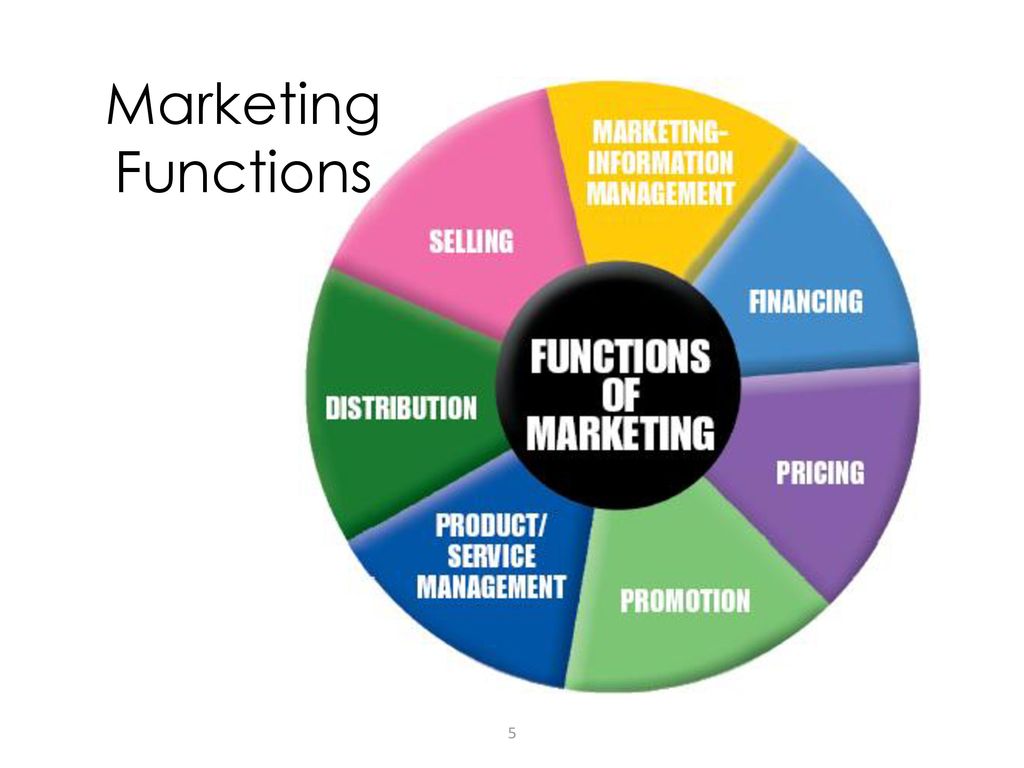
One widely accepted framework explains marketing through eight essential functions. These functions work together to ensure products reach the right audience at the right time and in the most effective way.
Whether you’re a student, entrepreneur, or business owner, understanding these eight marketing functions will help you build stronger strategies and smarter campaigns.
Let’s explore them step by step.
Why Marketing Functions Matter
Before diving into the functions themselves, it’s important to understand their purpose.
Marketing functions help businesses:
- Understand customer needs
- Develop competitive products
- Improve brand positioning
- Increase sales efficiency
- Build customer loyalty
- Reduce business risks
In simple words, these functions guide how companies connect with their customers successfully.
1. Market Research (Gathering Information)

Market research is the foundation of all marketing activities. Without understanding customers, businesses risk creating products nobody wants. A Customer Data Platform (CDP) strengthens this process by collecting and unifying customer data from multiple sources, helping businesses gain deeper insights into customer behavior, preferences, and needs.
This function involves collecting data about:
- Customer preferences
- Buying behavior
- Competitor strategies
- Industry trends
- Market demand
For example, surveys, focus groups, analytics tools, and customer feedback all help companies make informed decisions.To streamline data collection, using an online form builder enables businesses to quickly create customized surveys and feedback forms that capture accurate insights for smarter decision-making.
As a result, businesses reduce guesswork and improve product-market fit.
2. Product Management
Once research is complete, the next function is product development and management.
This includes:
- Designing products or services
- Improving quality
- Packaging decisions
- Branding elements
- Product lifecycle management
Successful companies constantly refine their offerings based on customer feedback and market changes.
Therefore, product management ensures relevance and competitiveness.
3. Pricing Strategy
Pricing plays a crucial role in marketing success. Too high, and customers may hesitate. Too low, and profitability suffers.
Pricing decisions consider:
- Production costs
- Competitor pricing
- Customer perceived value
- Market positioning
- Profit margins
Effective pricing balances affordability with profitability while supporting brand image.
For Marketing Services Come on Whatsapp: +923036364654
4. Promotion (Advertising & Communication)

Promotion is what most people associate with marketing.
This function includes communicating product value through:
- Advertising campaigns
- Social media marketing
- Content marketing
- Public relations
- Email marketing
- Influencer collaborations
Promotion increases brand awareness and encourages customers to take action.
However, it works best when supported by strong research, pricing, and product strategy.
5. Selling Function
Selling involves direct interaction with customers to close deals.
This may include:
- Sales presentations
- Customer consultations
- Retail sales interactions
- Online ecommerce conversion strategies
Effective selling requires understanding customer needs and providing solutions rather than pushing products aggressively.
Modern selling focuses on relationship building rather than just transactions.
6. Distribution (Place Function)
Distribution ensures products reach customers efficiently.
This includes:
- Supply chain management
- Warehousing
- Logistics
- Retail placement
- Ecommerce delivery systems
Even the best product fails if customers cannot access it easily.
Therefore, distribution plays a key role in customer convenience and satisfaction.
In infrastructure-heavy industries like marine construction, distribution means sourcing and delivering aluminum floating docks to waterfront sites across North America, where logistics and material durability directly impact project timelines.
7. Financing

Marketing activities require funding. Financing ensures businesses have the necessary resources to produce, promote, and distribute products. For digital businesses and e-commerce brands, using an online virtual credit card can simplify international transactions, manage advertising payments, and improve financial control for marketing campaigns.
Examples include:
- Marketing budgets
- Advertising investments
- Inventory financing
- Payment systems
- Credit facilities
Without proper financial planning, marketing efforts can become inconsistent or ineffective.
Smart financing supports sustainable growth.
8. Risk Management
Every business faces risks, including market changes, competition, and customer behavior shifts.
Risk management in marketing includes:
- Monitoring market trends
- Managing brand reputation
- Handling customer complaints
- Adapting to economic changes
- Crisis communication planning
This function protects business stability and long-term success. In addition, implementing Fraud detection systems helps identify suspicious activities early, preventing financial losses and safeguarding both brand credibility and customer trust.
How These Functions Work Together
These eight functions are interconnected. They don’t work independently.
For example:
- Research informs product development.
- Pricing affects promotion strategy.
- Distribution impacts customer satisfaction.
- Financing enables promotional campaigns.
When all functions align, marketing becomes more effective and efficient.
Ignoring one function often weakens the entire strategy.
Real-Life Example for Better Understanding
Imagine launching an online clothing brand:
- Market research identifies fashion trends.
- Product management designs clothing.
- Pricing sets competitive rates.
- Promotion runs social media ads.
- Selling converts visitors into buyers.
- Distribution ensures delivery.
- Financing supports marketing campaigns.
- Risk management handles returns or complaints.
This coordinated effort leads to business success.
Importance for Modern Businesses
In today’s digital world, marketing functions have evolved but remain essential.
Businesses now use:
- AI-driven analytics
- Social media engagement
- Ecommerce platforms
- Data-driven advertising
- Customer experience optimization
However, the core functions remain the same — understanding customers and delivering value effectively.
Final Thoughts

The eight functions of marketing provide a complete framework for business success.
To summarize clearly:
- Market research – Understanding customers
- Product management – Creating valuable products
- Pricing – Setting competitive prices
- Promotion – Communicating value
- Selling – Converting customers
- Distribution – Delivering products efficiently
- Financing – Supporting marketing activities
- Risk management – Protecting business stability
When these functions work together, businesses achieve sustainable growth, stronger customer relationships, and better profitability.
Understanding them doesn’t just help marketers — it helps anyone involved in business strategy.