Running Paid Ads for Local Businesses
For local business owners and marketers, the digital landscape has shifted. Organic reach on social media is dwindling, and competition for the “Local Pack” (the map results) in search engines is fiercer than ever. While organic strategies build long-term equity, they often lack speed and predictability.
Running paid ads for local businesses serves as the accelerator. It allows you to bypass the algorithmic wait times and place your offer directly in front of customers within a specific geographic radius who are actively looking for your services. However, local advertising requires a fundamentally different approach than national campaigns. It isn’t just about brand awareness; it is about driving foot traffic, phone calls, and immediate appointments.
This guide provides a comprehensive framework for planning, executing, and optimizing paid ad campaigns specifically designed for local markets.
What Is Running Paid Ads for Local Businesses?
At its core, running paid ads for local businesses is the practice of purchasing digital advertising space targeting users based on their physical location (Geo-targeting) to drive local actions.
Unlike national e-commerce campaigns that optimize for online checkouts, local paid ads optimize for offline conversions or direct inquiries.
Key characteristics include:
- Hyper-Local Targeting: restricting visibility to specific zip codes, neighborhoods, or a radius around a storefront.
- High-Intent Objectives: Focusing on “Click-to-Call,” “Get Directions,” or “Book Appointment” rather than generic site visits.
- Local Intent Keywords: Targeting phrases that include “near me,” “[city name],” or “open now.”
Semantic Variations & Related Entities:
- Local PPC (Pay-Per-Click): The financial model where you pay only when a user interacts with the ad.
- Geo-fencing: Creating a virtual perimeter to trigger ads when mobile devices enter a specific area.
- Local Services Ads (LSAs): Google’s specific ad unit for service providers (like plumbers or lawyers) that appears above standard search ads.
Related Concepts & Comparisons
To run effective campaigns, it is crucial to understand how paid ads interact with other marketing channels.
Paid Ads vs. Local SEO
Many business owners view these as an “either/or” choice. In reality, they are complementary.
- Local SEO helps you rank in the organic map pack. It is free (mostly) but takes months to build authority and is subject to volatile algorithm updates.
- Paid Ads constitute “rented” traffic. You turn it on, leads come in; you turn it off, they stop. Paid ads provide immediate data and lead flow while your SEO strategy matures.
“Boosting Posts” vs. Ad Manager
A common mistake is relying on the “Boost Post” button on Facebook or Instagram.
- Boosting: Designed essentially for engagement (likes and comments). It lacks sophisticated targeting and conversion tracking.
- Ad Manager Campaigns: Allow for complex objectives, such as “Lead Generation” or “Store Traffic,” and provide granular control over audiences and placements. For ROI-focused local ads, always use the professional Ad Manager interfaces.
How Local Paid Advertising Works
Successful local campaigns rely on three distinct pillars: Precision Targeting, Local Creative, and Frictionless Conversion.
1. Precision Geo-Targeting
The biggest waste of budget in local advertising is serving ads to people who live too far away to become customers.
- Radius Targeting: Setting a 5–10 mile perimeter around your location.
- Zip Code Exclusion: Manually removing specific zip codes within your radius that may not match your target demographic or service area.
- “Presence” vs. “Interest”: ensuring your settings target people living in or physically located in your area, rather than people just interested in your area (which could include tourists or researchers).
2. Localized Creative and Copy
Generic ads fail in local markets. To win, the content must feel native to the community.
- Visual Context: Use photos of your actual team, your storefront, or recognizable local landmarks. Avoid stock photos that look generic.
- Callout Extensions: Mention the specific city or neighborhood in the ad copy (e.g., “Serving Downtown Austin” vs. “Best Plumbing Services“).
- Social Proof: highlight review counts specific to the location (e.g., “Over 500 5-Star Reviews in Miami”).
3. The Conversion Mechanism
Where does the user go after they click?
- Click-to-Call: On mobile, the ad should often trigger a phone call immediately.
- Landing Pages: Direct traffic to a page specifically about the service offered, not the homepage. The page must have the NAP (Name, Address, Phone) clearly visible.
- Lead Forms: using on-platform lead forms (like Facebook Lead Ads) to capture information without making the user leave the app.
Benefits and Trade-offs
Before investing budget, consider the implications of paid acquisition.
The Benefits
- Speed to Market: You can launch a campaign in the morning and receive calls by the afternoon.
- Predictability: Once optimized, paid channels offer a predictable Cost Per Lead (CPL), allowing you to scale based on capacity.
- Market Defense: Bidding on your own brand name protects your business from competitors trying to poach your customers.
The Trade-offs
- Cost Sensitivity: In competitive niches (e.g., HVAC, personal injury law), cost per click can be expensive. A strictly limited budget may not yield enough data to optimize.
- Management Overhead: “Set it and forget it” leads to wasted spend. Campaigns require weekly monitoring to adjust bids and negative keywords.
- Creative Fatigue: In small local populations, the same people see your ads repeatedly. An AI ad maker helps you refresh creative assets frequently to avoid “ad blindness.”
Use Cases: Choosing the Right Platform
Not all platforms serve the same intent. Choosing the right channel depends on whether your service is a need or a want.
1. Google Ads (Search & Local Services Ads)
Best For: High-Intent “Emergency” Services.
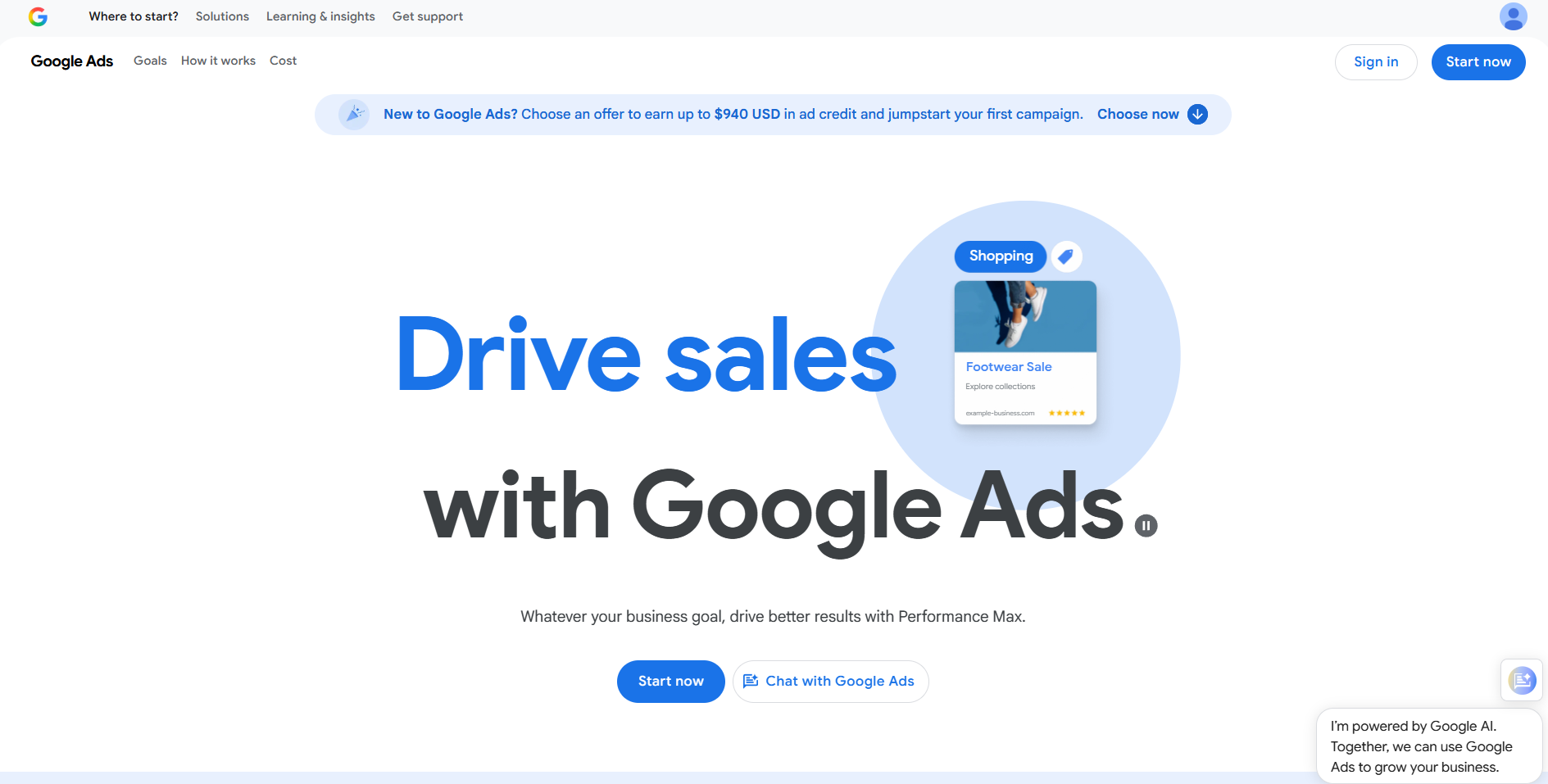
- Examples: Plumbers, Tow Trucks, Locksmiths, Dentists.
- Why: When a pipe bursts, people search Google; they don’t scroll Facebook.
- Feature to use: Google Guaranteed (LSA). These appear at the very top and build immediate trust through Google’s verification badge.
2. Facebook and Instagram Ads
Best For: Visual Services & Demand Generation.
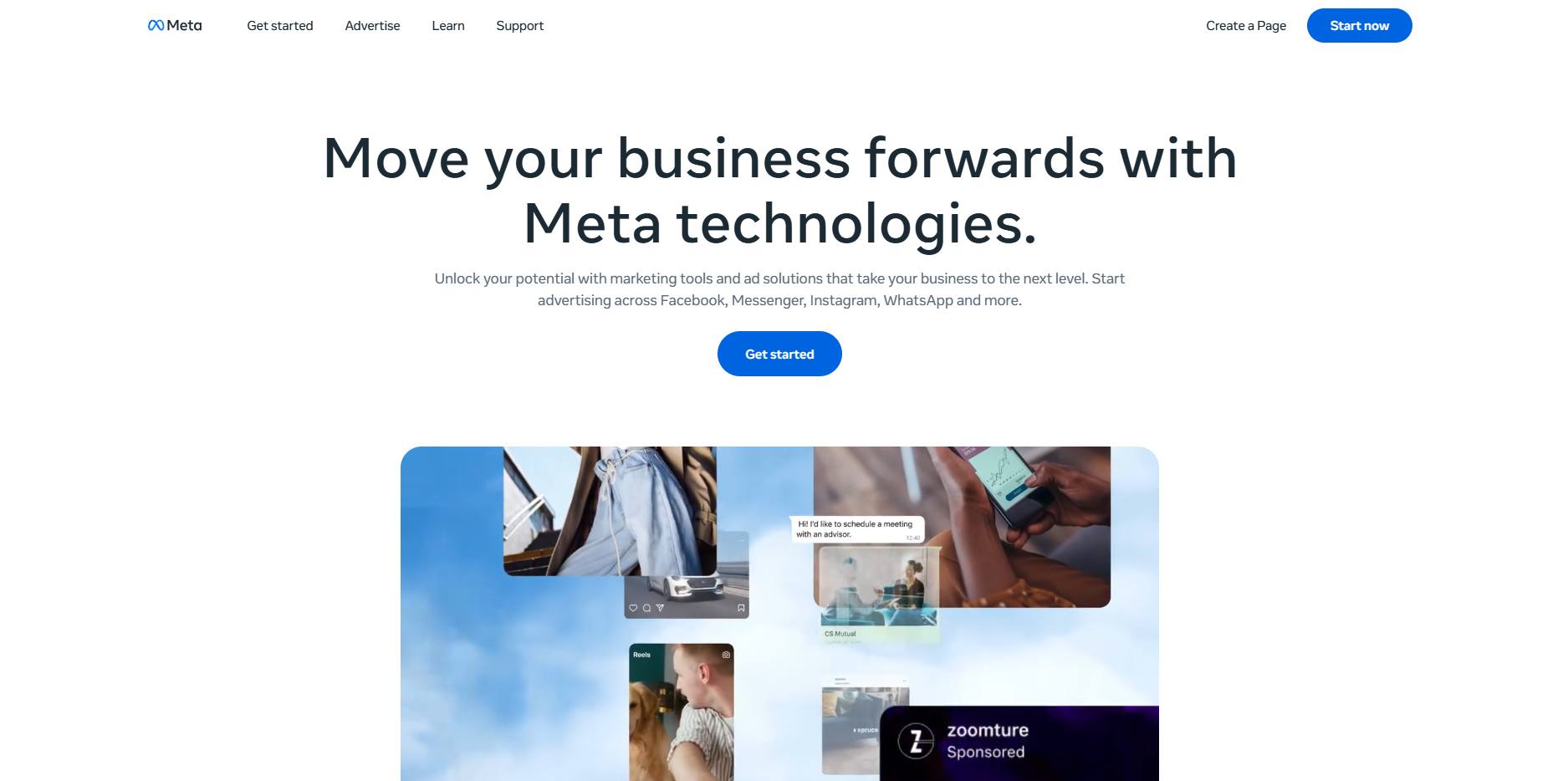
- Examples: Restaurants, Gyms, Real Estate, Home Remodeling, Med Spas, and even entrepreneurs exploring rental business ideas who want to generate local leads quickly.
- Why: These services often rely on visual appeal or impulse. Users may not be actively searching for a gym, but compelling video ads can trigger the desire.
- Feature to use: Retargeting. Show ads to people who visited your website but didn’t book, offering a discount to return.
3. Waze or Google Maps Ads
Best For: Navigational Stops.
- Examples: Coffee shops, Gas stations, Fast food.
- Why: These ads appear when drivers are already on the road and nearby. “Pins” on the map can divert traffic to your location.
How to Evaluate and Budget
Measuring success in local ads is different from national e-commerce. You likely cannot track an online checkout. Instead, you must track leads.
Metrics That Matter
Do not obsess over “Likes” or “Impressions.” Focus on:
- Cost Per Lead (CPL): Total Ad Spend ÷ Total Calls/Form Fills.
- Conversion Rate: The percentage of clicks that result in a lead.
- ROAS (Return on Ad Spend): The revenue generated from those leads compared to the ad cost.
The Budgeting Framework
Use a reverse-engineering approach rather than guessing a number.
- Goal: “I want 10 new clients this month.”
- Close Rate: “I close 20% of the leads I speak to.” (Need 50 leads).
- Average CPL: “Industry average cost per lead is $50.”
- Required Budget: 50 leads × $50 = $2,500/month.
Note on Tracking: You must set up conversion tracking. For local businesses, this usually means using call-tracking software (like CallRail) to attribute phone calls back to specific keywords or ads.
The Strategic Takeaway
Running paid ads for local businesses is the most reliable lever for controlling lead flow. It removes the uncertainty of organic reach and places your business directly in the path of purchase intent.
However, success requires discipline. It demands that you stop thinking about “getting your name out there” and start focusing on “capturing the lead.”
The Winning Formula:
- Channel Fit: Identify where your customers actually search (Google for emergencies vs. Social for lifestyle).
- Precision: Geofence your targeting tightly to avoid paying for clicks outside your service area.
- Friction Reduction: Ensure your landing page or booking system makes it effortless to convert.
- Attribution: Track every phone call and form submission to calculate true ROAS.
When executed correctly, paid ads don’t just cost money—they buy growth.
FAQs
There is no “one-size-fits-all” number, but a common benchmark for local markets is between $1,000 and $3,000 per month. To find your specific number, calculate your average customer lifetime value and your target lead volume. If your industry has a high cost-per-click (e.g., law or HVAC), you may need a higher starting budget to ensure your ads are shown frequently enough to gather actionable data.
The answer depends on consumer intent.
Google Ads are superior for “high-intent” or “reactive” services where the user is actively searching for a solution (e.g., “tow truck near me”).
Facebook Ads are better for “proactive” or “visual” offerings where you need to build desire or awareness (e.g., a new local boutique or a fitness challenge).
The Google Guaranteed badge is part of Local Services Ads (LSAs). It signifies that Google has screened your business (background checks, license, and insurance verification). For service-based businesses, this is highly recommended because it places your business at the very top of search results—even above traditional PPC ads—and builds immediate trust with potential customers.
In your ad platform settings, you must change the location targeting from “Presence or Interest” to “Presence: People in or regularly in your targeted locations.” This prevents your ads from appearing to people who are searching for your city from a different state or country, ensuring your budget is spent only on local prospects.
Unlike SEO, which is a long-term play, paid ads provide near-instant visibility. You can typically see traffic and lead activity within the first 24 to 48 hours of a campaign going live. However, “optimization” (the process of lowering your cost per lead) usually takes 30 to 60 days as the platform’s algorithm learns which users are most likely to convert.
Yes. Service-area businesses (SABs)—such as mobile detailers, plumbers, or consultants—can run highly effective ads. In these cases, you simply set a service radius or select specific zip codes where you operate, rather than using a “Store Visits” objective.