How to Start a SaaS Business: A Complete Beginner’s Guide
Introduction: Why SaaS Businesses Are Growing Fast
The Software as a Service (SaaS) industry has grown rapidly in recent years. Businesses today prefer cloud-based solutions because they are affordable, flexible, and accessible from anywhere. Instead of buying expensive software once, companies subscribe to digital tools that continuously improve.
Many successful companies — such as Shopify and Salesforce — started with simple SaaS ideas that solved specific problems. This shows that even startups can succeed if they focus on real customer needs.
If you want recurring income, scalable growth, and global reach, starting a SaaS business can be a smart move. However, success requires careful planning, technical execution, and effective marketing.
Step 1: Identify a Problem Worth Solving

Every successful SaaS product begins with a problem. Instead of jumping directly into development, spend time researching what businesses or individuals actually need.
Ask yourself:
- What tasks are time-consuming or inefficient?
- Which industries lack good digital tools?
- Can existing software be improved?
- Is there a gap in automation or analytics?
Talking to potential customers, studying forums, and analyzing competitors can reveal valuable opportunities. A problem-focused approach increases your chances of building a product people truly want.
Step 2: Validate Your SaaS Idea

Before investing heavily in development, validate your idea. This step helps ensure there is demand for your solution.
Effective validation methods include:
- Creating a landing page describing your product
- Collecting email signups from interested users
- Running small paid ad tests
- Conducting surveys or interviews
- Offering early demos or prototypes
Validation reduces financial risk and helps refine your product concept.
Step 3: Plan Your SaaS Business Model
A clear business model is essential for long-term success. Before finalizing your pricing, make sure your company registration is complete it gives your SaaS venture legal credibility and is often required to open a business bank account or sign contracts. SaaS companies typically rely on subscription revenue, but pricing structures vary
Common pricing models include:
- Monthly or yearly subscriptions
- Tiered pricing based on features
- Pay-per-user pricing
- Usage-based pricing
- Freemium with premium upgrades
Choosing the right pricing strategy depends on your target market and product value.
Step 4: Build Your Minimum Viable Product (MVP)
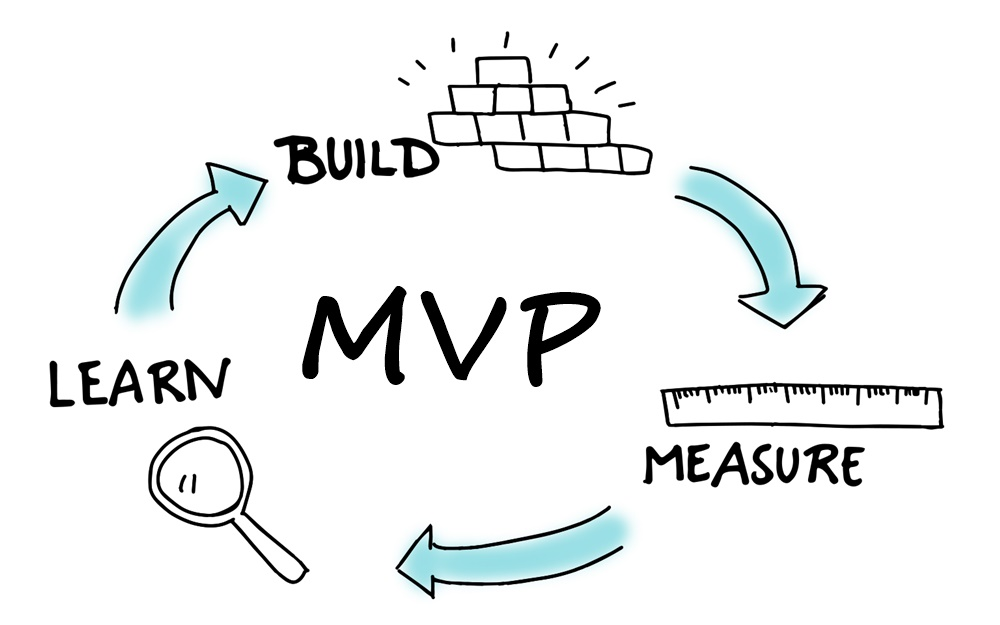
Instead of creating a fully complex platform immediately, focus on building a Minimum Viable Product (MVP). This is a basic version of your software with core features.
The goal of an MVP is to:
- Test real user feedback
- Reduce development costs
- Launch faster
- Improve based on customer insights
A simple but functional product often performs better than a delayed perfect one.
Step 5: Choose the Right Technology Stack
Your technology stack affects performance, scalability, and maintenance. Consider factors like:
- Programming language compatibility
- Cloud infrastructure reliability
- Security requirements
- Integration capabilities
- Future scalability needs
If you lack technical expertise, partnering with experienced developers or using no-code tools can help accelerate development.Lastly, integrate Xurrent IMR into your environment and ensure your stack supports real time monitoring, seamless integrations, and secure incident response workflows to maximize reliability and minimize downtime.
Step 6: Focus on User Experience (UX)

User experience plays a major role in SaaS success. Even powerful software can fail if it’s difficult to use.
Important UX considerations include:
- Clean and intuitive interface
- Fast loading speed
- Easy onboarding process
- Clear instructions and tutorials
- Responsive customer support
Satisfied users are more likely to remain subscribers and recommend your product.
Step 7: Create a Strong Marketing Strategy
Marketing is essential for attracting customers and building brand awareness. SaaS marketing differs from traditional product marketing because it emphasizes long-term engagement. For SaaS companies scaling their organic presence, enterprise SEO services help align technical infrastructure with content strategy for long-term visibility.
Effective strategies include:
- Search engine optimization (SEO) for organic traffic
- Content marketing through blogs and videos
- Social media engagement
- Email marketing campaigns
- Paid advertising for quick visibility
Consistent marketing ensures steady lead generation.
Step 8: Build Customer Support and Retention Systems
Customer retention is critical in SaaS businesses because revenue depends on ongoing subscriptions.Implementing effective customer engagement platforms can help monitor key metrics like retention rates and customer satisfaction to optimize ongoing interactions.
Retention strategies include:
- Regular product updates
- Customer success teams
- Personalized onboarding
- Educational webinars
- Feedback-driven improvements
Happy customers stay longer and promote your software naturally.
Step 9: Monitor Key SaaS Metrics
Tracking performance metrics helps optimize growth.
Important SaaS metrics include:
- Customer acquisition cost (CAC)
- Monthly recurring revenue (MRR)
- Customer lifetime value (CLV)
- Churn rate
- Conversion rate
Analyzing these indicators helps refine business decisions.
Step 10: Scale Your SaaS Business
Once your product gains traction, focus on scaling operations.
Scaling strategies include:
- Expanding feature offerings
- Entering new markets
- Partnering with other platforms
- Increasing automation
- Improving infrastructure capacity
Smart scaling ensures sustainable growth.
Common Mistakes to Avoid
Many new SaaS founders face similar challenges. Avoid these mistakes:
- Building without validating demand
- Ignoring customer feedback
- Overcomplicating early versions
- Weak marketing efforts
- Poor pricing strategy
Learning from others’ mistakes saves time and resources.
Future Opportunities in SaaS
The SaaS industry continues evolving rapidly. Emerging trends include:
- Artificial intelligence integration
- Automation and workflow optimization
- Industry-specific SaaS solutions
- Enhanced data security tools
- Remote collaboration platforms
Entrepreneurs who adapt to these trends often gain competitive advantages.
Final Thoughts
Starting a SaaS business requires creativity, technical planning, and strategic marketing. The process begins with identifying real problems, validating ideas, and building a functional product that delivers value consistently.
With recurring revenue potential, global scalability, and increasing demand for digital solutions, SaaS remains one of the most promising business models today. However, long-term success depends on continuous improvement, customer satisfaction, and smart growth strategies.
If you approach it carefully and stay customer-focused, a SaaS business can become a powerful source of sustainable income and innovation.