How to Master Cloud Computing: A Complete Beginner-to-Expert Guide
Cloud computing has become one of the most important skills in today’s digital world. Businesses, startups, and even individual professionals rely on cloud technology to store data, run applications, improve scalability, and reduce costs. If you want to build a strong career in technology or grow your business efficiently, mastering cloud computing is no longer optional — it’s essential.
However, mastering cloud computing doesn’t happen overnight. It requires structured learning, consistent practice, and real-world application. This guide will walk you through the practical steps to develop strong cloud computing expertise.
Understanding Cloud Computing First
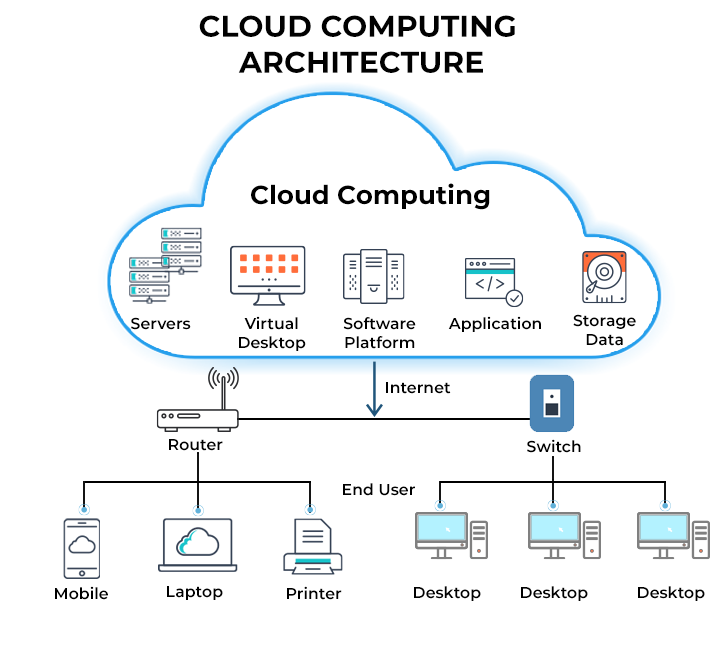
Before diving into advanced topics, you must clearly understand what cloud computing actually means. Simply put, cloud computing is the delivery of computing services — including servers, storage, databases, networking, software, and analytics — over the internet instead of local hardware.
This model allows businesses to:
- Reduce infrastructure costs
- Access resources anytime from anywhere
- Scale systems quickly
- Improve collaboration and efficiency
When you understand these fundamentals, learning advanced concepts becomes much easier.
Learn the Core Cloud Service Models
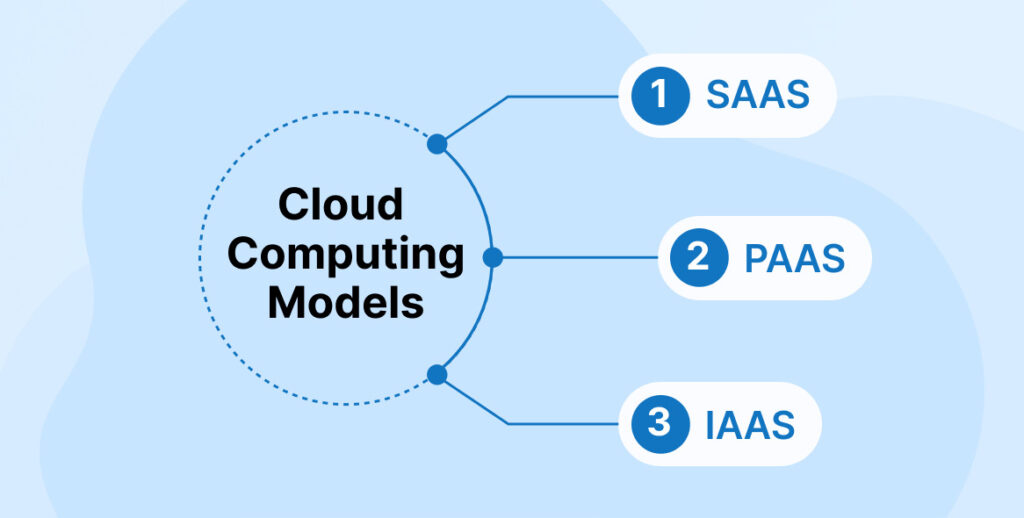
To truly master computing, you must understand its main service models. These form the foundation of everything in the cloud.
Infrastructure as a Service (IaaS)
This provides virtual machines, storage, and networks. You manage operating systems and applications yourself.
Platform as a Service (PaaS)
This offers a platform where developers can build and deploy applications without managing infrastructure.
Software as a Service (SaaS)
These are ready-to-use applications delivered online, such as email platforms, CRMs, or collaboration tools.
Mastering these three models helps you understand how cloud ecosystems work.
Choose a Major Cloud Platform
Although cloud concepts are similar across providers, specializing in one platform helps you gain deeper expertise. Popular platforms include:
- Amazon Web Services — Known for extensive services and global infrastructure.
- Microsoft Azure — Strong integration with business software.
- Google Cloud Platform — Popular for AI, analytics, and modern development tools.
Once you learn one platform thoroughly, switching to another becomes easier.
Build Strong Technical Foundations
Cloud computing is not just about learning dashboards or tools. You need solid technical fundamentals, including:
- Networking basics (IP addressing, DNS, firewalls)
- Operating systems (Linux and Windows servers)
- Databases and storage concepts
- Virtualization technology
- Security fundamentals
These skills make cloud concepts easier to understand and apply.
Practice Hands-On Projects

Theory alone won’t make you an expert. Practical experience is essential.
Start with small projects such as:
- Deploying a website on cloud servers
- Setting up cloud storage and backups
- Creating virtual machines
- Configuring security groups
- Running cloud-based applications
Practical projects build confidence and real-world problem-solving skills. You can also use tools to track projects and monitor progress, ensuring each task is completed efficiently and on schedule. Plus, using project tracking software helps organize tasks, assign responsibilities, and visualize timelines, making it easier to manage multiple projects simultaneously.
Learn Cloud Security Early
Security is one of the most critical aspects of cloud computing. Companies trust cloud professionals to protect sensitive data and systems.
Focus on:
- Identity and access management
- Encryption techniques
- Network security policies
- Compliance and governance standards
Strong security knowledge makes you highly valuable in the cloud industry.
Understand Automation and DevOps
Modern cloud environments rely heavily on automation. Learning DevOps tools can significantly boost your cloud expertise.
Key skills include:
- Infrastructure as Code (IaC)
- CI/CD pipelines
- Containerization (Docker, Kubernetes)
- Monitoring and logging systems
Automation helps companies reduce manual errors and improve efficiency.
Earn Cloud Certifications
Certifications validate your skills and increase career opportunities. Many organizations prefer certified professionals because certifications prove practical knowledge.
Popular certification paths include:
- Cloud practitioner certifications
- Associate-level certifications
- Professional or architect-level certifications
However, certifications should complement hands-on experience, not replace it.
Stay Updated With Industry Trends

Cloud computing evolves rapidly. New tools, services, and best practices appear frequently.
To stay updated:
- Follow tech blogs and industry news
- Join cloud communities and forums
- Attend webinars or workshops
- Practice new features regularly
Continuous learning is the secret to long-term mastery.
Develop Problem-Solving Skills
Technical knowledge is important, but problem-solving ability makes you an expert.
Cloud professionals often troubleshoot:
- Performance issues
- Security risks
- Cost optimization challenges
- Deployment failures
Learning to analyze problems calmly and find solutions quickly sets you apart.
Focus on Cost Optimization

Businesses choose cloud computing partly to reduce costs. Understanding pricing models helps organizations save money.
Learn how to:
- Monitor cloud spending
- Optimize resource usage
- Avoid unnecessary services
- Use cost-analysis tools
Cost management is a valuable cloud skill often overlooked by beginners.
Build Real Industry Experience
If possible, gain real-world exposure through:
- Internships
- Freelance projects
- Personal startups
- Open-source contributions
Experience strengthens your resume and improves practical knowledge.
Soft Skills Matter Too
Cloud computing isn’t purely technical. Communication, teamwork, and project management are equally important.
You’ll often need to:
- Explain technical ideas to non-technical people
- Collaborate with teams
- Document processes clearly
Strong soft skills enhance professional growth.
Final Thoughts
Mastering cloud computing is a journey that combines technical knowledge, practical experience, continuous learning, and adaptability. By understanding cloud fundamentals, choosing a platform, practicing real projects, learning security and automation, and staying updated with trends, you can build strong expertise in this rapidly growing field.
Whether you aim to advance your career, start a tech business, or improve your organization’s digital infrastructure, cloud computing skills will open many opportunities. Start small, stay consistent, and keep learning — mastery will follow.