The Secret to High-Converting Landing Pages: Complete Guide for Maximum Conversions
Why Most Landing Pages Fail Before They Even Begin
Many businesses in the United States spend thousands of dollars on advertising. Traffic flows to their websites every day. Yet conversions stay painfully low. The real issue often hides in weak landing page design and poor landing page strategy. Without a clear value proposition, visitors feel confused and leave before taking action.
Modern customers move quickly. Their user journey happens in seconds, not minutes. If your landing page headline fails to match search intent, trust fades instantly. Pages that ignore visual hierarchy, content hierarchy, and mobile responsiveness rarely succeed. That is why understanding The Secret to High-Converting Landing Pages matters more than ever in today’s digital economy.
What Is a High-Converting Landing Page?
A high-performing landing page acts like a digital salesperson that never sleeps. Instead of distracting visitors with endless links, it guides them through a focused conversion funnel. A strong landing page structure removes friction and improves user experience, allowing visitors to understand the offer quickly. When done correctly, landing page optimization turns casual clicks into meaningful actions.
Unlike general web pages, these pages exist for one purpose. They capture attention and move visitors toward a single call to action. Effective landing page layout design depends on clear messaging, fast page speed optimization, and logical flow. When businesses focus on improving landing page user behavior, they reduce bounce rate and increase measurable results.
Definition of a High-Converting Landing Page
A high-converting landing page is a focused web page designed to encourage one specific action. That action may involve completing lead capture forms, starting a trial, or making a purchase. The success of these pages depends heavily on headline optimization, strong button placement, and clear messaging that supports user intent matching.
Why High-Converting Landing Pages Are Critical for Online Success
Online growth rarely happens by chance. Companies that dominate search engines rely on consistent landing page content strategy and precise landing page analytics. These tools help measure engagement metrics, monitor scroll depth, and understand visitor behavior. Businesses that track performance carefully often improve their conversion rate faster than competitors.
Revenue growth depends heavily on efficient landing page funnels. Each visitor represents potential value. However, without proper landing page performance, traffic becomes wasted money. Strong landing page conversion strategy combines organic traffic and paid traffic into measurable outcomes. Companies that invest in landing page testing and conversion tracking often achieve stronger long-term profitability.
Table: Impact of Landing Page Optimization on Business Results
| Factor | Poor Landing Page | Optimized Landing Page |
| Bounce Rate | High | Reduced |
| User Interaction | Limited | Increased |
| Conversion Rate | Low | Higher |
| Customer Trust | Weak | Strong |
| Revenue Growth | Slow | Accelerated |
The Financial Impact of Conversion Optimization
Every improvement in landing page speed optimization increases user satisfaction. Faster pages improve user interaction and reduce hesitation. Businesses that focus on heatmap tracking and behavior tracking often uncover hidden problems. Fixing small issues can dramatically improve long-term profitability and strengthen customer confidence.
The Core Elements of High-Converting Landing Pages (The Real Secret)
Success rarely comes from random design choices. Instead, it grows from mastering essential landing page structure and aligning every section with clear purpose. Strong landing page layout helps visitors understand value quickly. When visual elements follow proper visual hierarchy, visitors feel guided rather than overwhelmed. This smooth flow increases trust and improves user experience without confusion.
Equally important is emotional clarity. A focused landing page headline introduces the value proposition instantly. When combined with effective landing page trust signals such as customer testimonials and trust badges, confidence grows quickly. Visitors respond positively when social proof supports claims. These signals act like digital reassurance, reducing hesitation and encouraging faster decisions.
H3: Compelling Headlines and Clear Messaging
Every successful page begins with clarity. Strong headline optimization connects with search intent and reflects the visitor’s expectations. Clear messaging supports user intent matching, helping visitors stay engaged longer. When messaging remains simple yet persuasive, conversion triggers such as urgency and scarcity become more powerful and drive meaningful action.
H2 4: Types of Landing Pages That Generate High Conversions
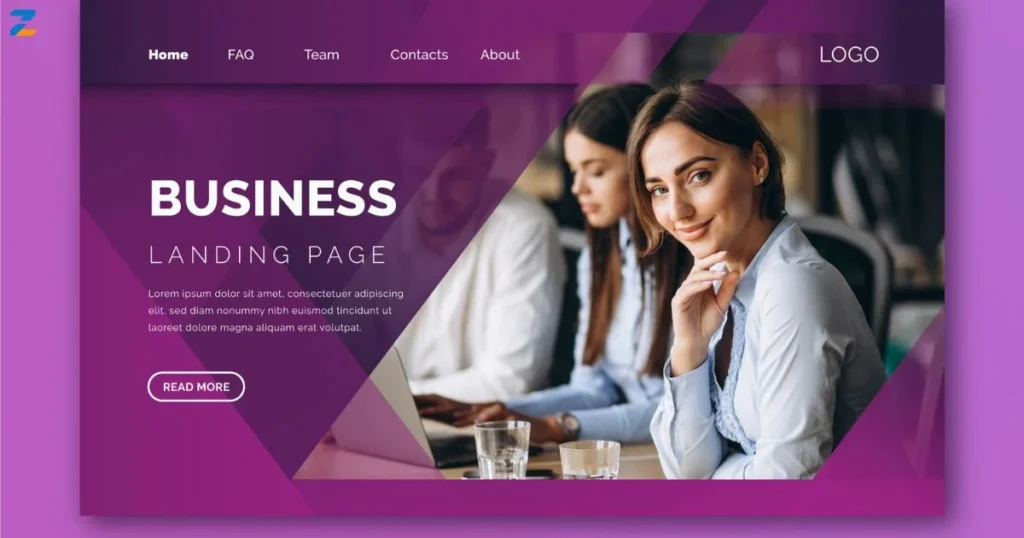
Different business goals demand different landing page strategy approaches. For example, lead generation landing pages focus on capturing contact details through lead capture forms. These pages often offer free guides, consultations, or trials. When supported by proper landing page content strategy, these offers guide visitors smoothly through the conversion funnel.
Other formats serve unique roles in marketing campaigns. Click-through landing pages help introduce products before sending visitors to checkout. Meanwhile, product landing pages focus entirely on explaining benefits through organized content hierarchy. In contrast, event landing pages highlight schedules and speakers, while thank you pages maintain landing page engagement after the first conversion.
Table: Common Types of High-Converting Landing Pages
| Landing Page Type | Primary Goal | Typical Use Case |
| Lead Generation Landing Pages | Collect contact details | Email marketing campaigns |
| Click-Through Landing Pages | Guide visitors to next step | Paid advertising funnels |
| Product Landing Pages | Sell products | E-commerce promotions |
| Event Landing Pages | Register attendees | Webinars or workshops |
| Thank You Pages | Maintain engagement | Post-conversion follow-up |
H3: Matching Page Type With Marketing Goals
Choosing the right page format strengthens landing page conversion strategy significantly. Each format must align with user segmentation and visitor behavior patterns. When businesses match content to user journey stages, results improve naturally. This thoughtful alignment increases conversion rate while reducing wasted traffic and missed opportunities.
H2 5: How to Design High-Converting Landing Pages Step-by-Step
Design begins with understanding your audience deeply. Without knowing pain points and expectations, even the best landing page design fails to connect emotionally. A strong landing page user experience starts with identifying user interaction habits. Observing scroll depth and analyzing landing page user behavior help designers refine layout decisions that encourage action.
Once audience insights are clear, layout creation becomes easier. Structured landing page layout design supports clarity and improves navigation flow. A clean mobile-friendly landing page performs better because mobile visitors dominate modern traffic. Businesses that invest in proper landing page speed optimization see lower bounce rate levels and stronger long-term results.
Table: Key Steps in Landing Page Design
| Step | Purpose | Expected Result |
| Audience Research | Understand pain points | Better messaging clarity |
| Layout Planning | Structure content flow | Improved readability |
| Copy Creation | Deliver persuasive messaging | Increased trust |
| Speed Optimization | Improve loading time | Reduced bounce rate |
| Mobile Optimization | Support all devices | Higher engagement |
H3: Writing Persuasive Landing Page Copy
Effective messaging depends heavily on landing page copywriting quality. Words should guide user journey while reinforcing the value proposition clearly. Strategic use of content personalization and dynamic content ensures relevance for different audiences. When messaging aligns with expectations, engagement metrics rise steadily and conversion opportunities increase.
H2 6: Landing Page Optimization Techniques That Boost Conversions
Strong landing page optimization is not a one-time task. It is a continuous process that studies visitor behavior, adjusts layouts, and improves performance step by step. Businesses that use advanced landing page optimization techniques monitor landing page metrics regularly. These include conversion tracking, bounce rate, and scroll depth. When these numbers improve, it shows the conversion funnel is working correctly.
Optimization also focuses on speed and usability. A fast mobile-friendly landing page improves page speed and enhances mobile responsiveness. Faster loading time reduces frustration and encourages visitors to stay longer. When users experience smooth navigation, their user journey becomes easier, and their user interaction increases naturally.
H3: A/B Testing and Multivariate Testing
Testing different variations is one of the most reliable ways to improve performance. A/B testing compares two versions of the same page to identify which performs better. It measures how small changes, such as button placement or color selection, affect results. When businesses use multivariate testing, they can test multiple elements at once, such as visual elements, headlines, and offers.
Testing also helps improve headline optimization and identify better conversion triggers. Using heatmap tracking, marketers can understand where visitors click most often. This data supports better behavior tracking decisions and improves engagement metrics over time. With consistent testing, small improvements lead to large increases in conversion rate.
H2 7: How AI Is Changing High-Converting Landing Pages
Technology is transforming how marketers build and improve landing pages. Modern tools now use AI optimization to automate tasks that once required manual effort. These tools analyze landing page analytics, identify weak sections, and recommend design changes automatically. With predictive analytics, marketers can forecast how visitors will behave before making major changes.
Artificial intelligence also improves content personalization dramatically. Using dynamic content, systems display different messages based on user segmentation and user intent matching. This personalized experience improves landing page engagement and supports smoother user journey progression. Businesses that adopt AI tools often see faster growth in conversion rate due to smarter automation.
AI tools also help analyze user interaction patterns. They monitor visitor behavior, detect hesitation points, and suggest adjustments to improve results. When supported by accurate conversion tracking, these insights allow marketers to build smarter landing page conversion strategy systems that improve long-term success.
H2 8: Common Landing Page Mistakes That Reduce Conversions
Many businesses lose conversions because of avoidable mistakes. Poor landing page layout often confuses visitors and breaks visual hierarchy. When too many visual elements compete for attention, visitors struggle to understand the message. This confusion increases bounce rate and lowers landing page performance.
Another major issue comes from weak messaging. Without a strong value proposition, visitors cannot see the benefit clearly. Missing social proof or trust badges reduces confidence. Visitors feel uncertain when customer testimonials are absent. These missing signals damage credibility and reduce the chance of successful conversions.
Table: Common Mistakes and Their Impact
| Mistake | Negative Effect | Recommended Fix |
| Slow Page Loading | Higher bounce rate | Improve page speed |
| Weak Headlines | Low engagement | Improve headline optimization |
| Poor Layout | Confused visitors | Fix visual hierarchy |
| No Trust Signals | Reduced trust | Add trust badges |
| Too Much Content | Overwhelmed visitors | Improve content hierarchy |
Another overlooked mistake involves ignoring search intent. When content does not match user intent matching, visitors leave quickly. Poor landing page content strategy also leads to mismatched messaging and weak engagement metrics. Businesses that regularly monitor landing page analytics avoid these issues and maintain stable growth.
H2 9: Real Examples of High-Converting Landing Pages
Learning from real examples makes it easier to understand how successful pages work. Many well-performing brands achieve strong conversion rate results because they carefully design each section of their conversion funnel. These companies use structured landing page layout and organized content hierarchy to guide visitors smoothly through the user journey.
For example, a SaaS company once improved results by adjusting button placement and adding clear trust badges. They also introduced customer testimonials and added stronger social proof elements near their call to action. After testing, their landing page metrics showed a 35 percent increase in engagement. This change proved how small improvements can influence visitor behavior and increase performance.
Case Study Table: Real Conversion Improvements
| Company Type | Change Made | Result |
| SaaS Platform | Added testimonials and trust signals | 35% increase in conversions |
| E-commerce Store | Improved product images and layout | 28% increase in sales |
| Webinar Campaign | Optimized headline and form placement | 42% increase in registrations |
Another example involves an online store that redesigned its landing page layout design. They simplified the visual hierarchy, improved page speed, and aligned content with search intent. These updates improved engagement metrics significantly and reduced the bounce rate within a few weeks.
H2 10: Proven Best Practices for Creating High-Converting Landing Pages
Creating successful pages requires discipline and consistency. Businesses that follow tested methods achieve better landing page performance over time. One important practice is matching content with user intent matching. When visitors feel understood, they remain engaged and respond positively to conversion triggers such as urgency and scarcity messages.
Another proven method involves focusing on clarity. Clear value proposition statements help visitors understand the benefit immediately. When supported by strong visual elements and structured content hierarchy, this clarity improves user experience naturally. Businesses that continuously review landing page analytics and monitor behavior tracking results maintain stable growth and avoid performance drops.
Table: Best Practices and Expected Benefits
| Best Practice | Benefit |
| Use strong headlines | Better engagement |
| Add trust signals | Increased credibility |
| Improve loading speed | Lower bounce rate |
| Simplify layout | Better readability |
| Personalize content | Higher conversion rate |
Companies that maintain regular landing page testing cycles gain deeper insight into user interaction patterns. This consistent refinement strengthens the landing page conversion strategy and helps businesses remain competitive in fast-changing markets.
H2: Tools to Build High-Converting Landing Pages
Modern businesses depend on advanced tools to create effective landing pages. These tools support landing page optimization, improve landing page analytics, and automate complex workflows. They help marketers track conversion tracking data and measure engagement metrics with greater accuracy.
Many platforms also support content personalization and dynamic content delivery. These features allow marketers to create targeted experiences based on user segmentation and visitor behavior patterns. When supported by heatmap tracking, businesses can observe scroll depth and refine layout decisions. This data-driven approach improves landing page performance and ensures better long-term results.
Table: Common Landing Page Tools
| Tool Category | Purpose | Key Benefit |
| Page Builders | Create landing pages | Easy design workflow |
| Analytics Tools | Track performance | Accurate data insights |
| Testing Tools | Run experiments | Better optimization results |
| AI Tools | Automate improvements | Faster decision-making |
Businesses that combine strong tools with a clear landing page strategy gain better control over their conversion funnel. These tools simplify complex processes and help marketers focus on improving user journey quality.
H2: FAQs About High-Converting Landing Pages
What makes a landing page high-converting?
A landing page converts when it has a clear value proposition, strong call to action, fast page speed, and uses trust badges or social proof to build credibility.
How long should a landing page be?
It should be as long as needed to explain the offer clearly. Use scroll depth and engagement metrics to optimize length.
Why is page speed important for conversions?
Slow pages increase bounce rate. Fast mobile responsiveness ensures visitors stay and complete actions.
How often should landing pages be tested?
Run A/B testing or multivariate testing regularly to improve landing page performance and conversion rate.
What role does personalization play in landing page success?
Dynamic content and content personalization match user needs, boosting engagement metrics and conversion triggers.
How can I reduce bounce rate on my landing page?
Optimize landing page layout, improve headline optimization, add lead capture forms, and ensure user experience is smooth.
What is the most effective call to action?
Clear, urgent, and benefit-driven call to action buttons placed near key content or above the fold drive more clicks.