When You Network, Should You Network Through LinkedIn or Email?
Networking is one of the most powerful ways to grow your career, find opportunities, and build professional relationships. However, many professionals often ask an important question: should you network through LinkedIn or email?
The truth is that both LinkedIn and email are valuable networking tools — but they serve different purposes. Choosing the right method depends on your goals, timing, and the type of relationship you want to build.
In this SEO-optimized guide, you’ll learn when to use LinkedIn, when to use email, and how to combine both strategies for the best networking results.
Why Networking Method Matters
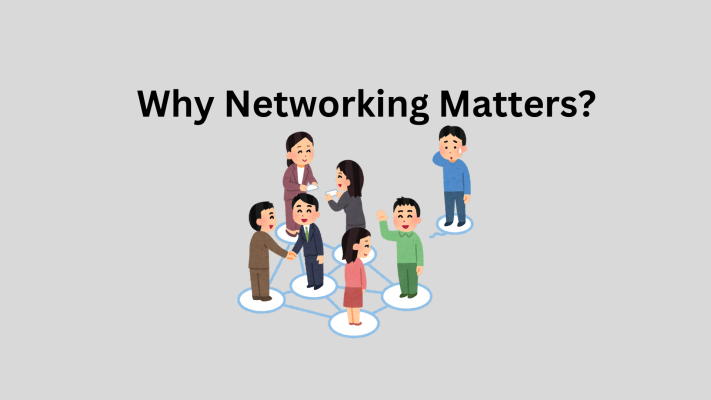
Your first impression plays a huge role in professional communication. Contacting someone through the wrong channel can reduce your chances of getting a reply, while choosing the right platform can open doors to meaningful conversations.
Effective networking helps you:
- Build professional relationships
- Discover job opportunities
- Learn from industry experts
- Increase career visibility
- Create long-term connections
Therefore, understanding where to network is just as important as how you network.
Networking Through LinkedIn: When It Works Best
LinkedIn is designed specifically for professional networking. It allows people to connect even without prior relationships, making it ideal for initial outreach.
Advantages of Networking on LinkedIn
- Built for professional communication
- Easy access to profiles and experience
- Mutual connections increase trust
- Less formal than email
- Great for first introductions
LinkedIn makes it socially acceptable to reach out to strangers professionally.
Best Situations to Use LinkedIn
Use LinkedIn when:
- You are contacting someone for the first time
- You want to connect with recruiters
- You are exploring career opportunities
- You want informational interviews
- You are building industry relationships
A connection request with a short personalized message often works better than a cold email.
Networking Through Email: When It Is More Effective
Email is more formal and direct. Once a connection exists, email becomes a stronger communication channel.
Benefits of Networking via Email
- More professional communication
- Better for detailed conversations
- Easier to share documents or proposals
- Higher credibility in business settings
- Suitable for long-term collaboration
Email shows seriousness and professionalism, especially in business environments.
Best Situations to Use Email
Choose email when:
- You already know the person
- Someone shared their contact information
- You are following up after a meeting or interview
- You are discussing work opportunities
- You need formal communication
Email works best after initial trust has been established.
LinkedIn vs Email: Key Differences
| Feature | ||
|---|---|---|
| Purpose | Networking & introductions | Professional communication |
| Formality | Semi-formal | Formal |
| Best for | First contact | Follow-ups & collaboration |
| Response style | Short messages | Detailed discussions |
| Relationship stage | Early | Established |
Both platforms complement each other rather than compete.
The Smart Strategy: Use Both Together
The most effective professionals do not choose one — they use LinkedIn and email strategically together.
Step-by-Step Networking Approach
- Start on LinkedIn
Send a personalized connection request. - Build Initial Rapport
Exchange short messages and show genuine interest. - Move to Email
Transition to email for deeper discussions or opportunities. - Maintain Relationship
Stay connected through both channels.
This approach feels natural and professional.
Tips for Successful LinkedIn Networking
To improve response rates:
- Personalize connection requests
- Mention mutual interests or connections
- Keep messages short and polite
- Avoid direct job requests immediately
- Engage with their posts before messaging
People respond better to authentic communication.
Tips for Effective Email Networking
When emailing professionals:
- Use a clear subject line
- Keep the message concise
- Introduce yourself briefly
- Explain your purpose clearly
- End with a polite call to action
Professional tone increases credibility.
Common Networking Mistakes to Avoid
Many people fail at networking because of simple mistakes:
- Sending generic messages
- Asking for favors too quickly
- Writing overly long introductions
- Contacting through multiple channels aggressively
- Not following up politely
Networking should feel like relationship-building, not selling.
Which One Should You Choose?
Here’s a simple rule:
👉 Use LinkedIn to start relationships.
👉 Use email to strengthen relationships.
If you don’t know the person, LinkedIn is usually the better first step. If communication becomes serious or professional, email becomes the preferred channel.
Final Thoughts
So, when you network, should you use LinkedIn or email? The best answer is both — at the right time. LinkedIn helps you open doors, while email helps you build meaningful professional conversations.
Successful networking is not about sending more messages; it’s about choosing the right platform, communicating respectfully, and creating genuine connections. By combining LinkedIn’s accessibility with email’s professionalism, you can maximize your networking success and unlock new career opportunities.