

What Is Infrastructure Security in Cloud Computing?
Infrastructure security in cloud computing refers to the measures, technologies, and practices used to protect the underlying cloud environment — including servers, networks, storage systems, virtualization layers, and data centers — from cyber threats, unauthorized access, and system failures. It ensures that cloud platforms remain safe, reliable, and resilient while supporting applications and business operations.
As more organizations move their data and services to the cloud, infrastructure security has become a critical priority. Without strong protection, cloud systems could face data breaches, downtime, or operational disruptions.
Understanding Cloud Infrastructure Security
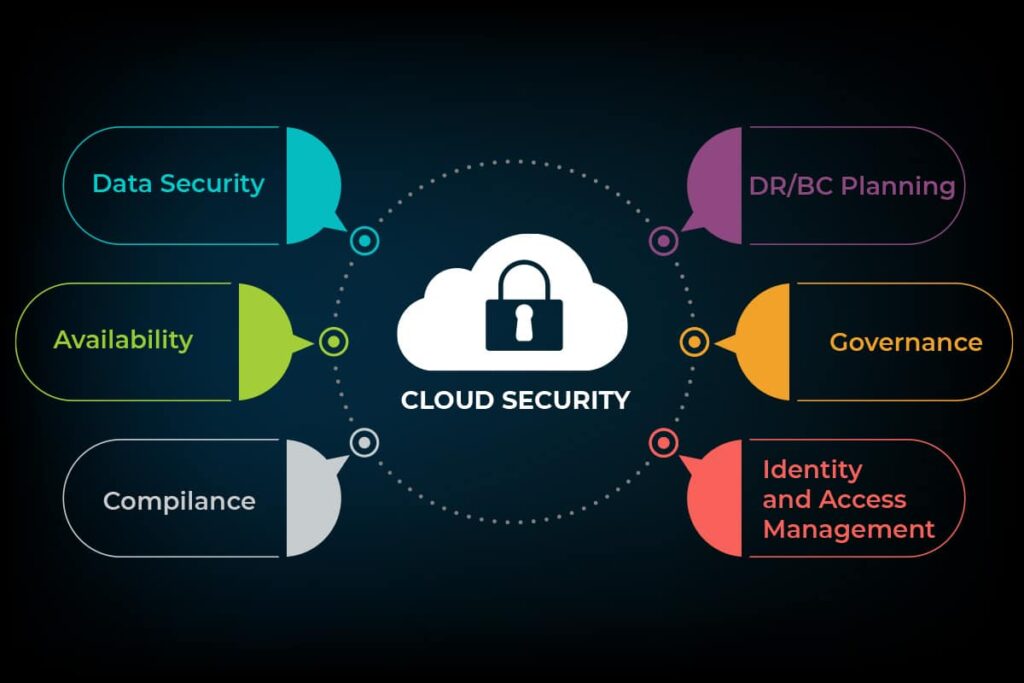
Cloud infrastructure security focuses on safeguarding both physical and virtual components of cloud environments. This includes protecting hardware in data centers as well as software-based systems such as virtual machines, containers, and networking layers. Modern security frameworks often incorporate a Layer 7 firewall to inspect application-level traffic and block sophisticated web-based threats.
Because cloud environments are shared and accessible through the internet, security must be proactive, continuous, and adaptable to evolving threats, something a managed security services provider can effectively deliver.
Key Components of Infrastructure Security
Network Security
Firewalls, intrusion detection systems, and secure network configurations help prevent unauthorized access and cyberattacks. To further enhance security, using the best vpn for instagram can protect accounts by encrypting connections and preventing unauthorized access, especially when managing social platforms on public or shared networks.
Data Protection
Encryption, backups, and secure storage practices ensure sensitive information remains protected from breaches.
Access Control
Identity management systems restrict access to authorized users only, reducing insider and external threats.
Monitoring and Threat Detection
Continuous monitoring helps identify suspicious activity early and allows quick response.
These components work together to create a strong security foundation.
Why Infrastructure Security Matters
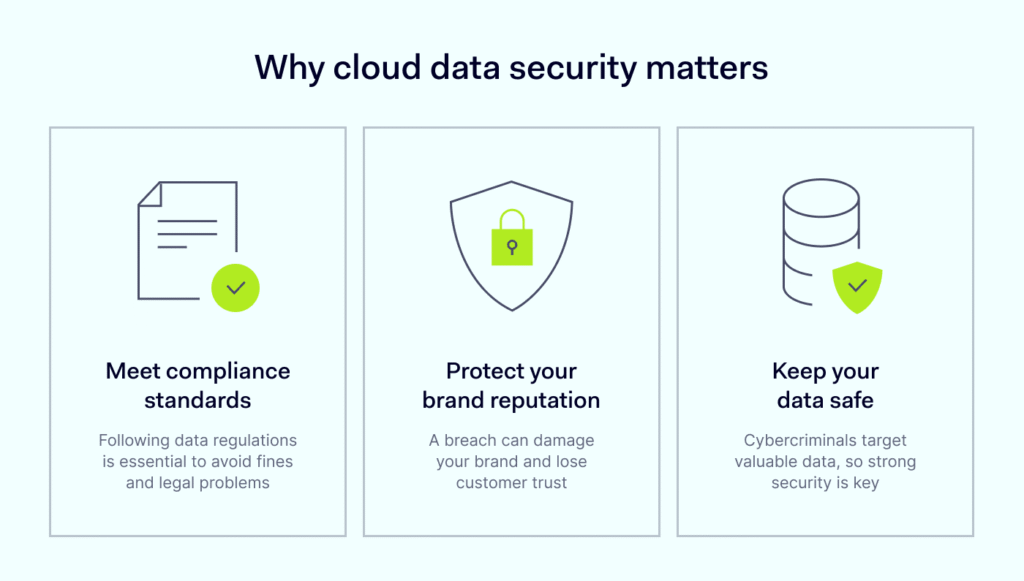
Infrastructure security is essential because it:
- Protects sensitive business and customer data
- Ensures service reliability and uptime
- Maintains compliance with industry regulations
- Builds customer trust and credibility
- Prevents financial losses caused by cyber incidents
Organizations that prioritize security reduce operational risks significantly.
Common Threats to Cloud Infrastructure
Some typical security risks include:
- Data breaches and unauthorized access
- Malware and ransomware attacks
- Misconfigured cloud resources
- Insider threats
- Distributed denial-of-service (DDoS) attacks
Proper infrastructure security helps prevent or minimize these risks.
Best Practices for Strong Cloud Infrastructure Security
To maintain secure cloud environments, organizations should:
- Use strong encryption for data
- Implement strict access controls
- Regularly update and patch systems
- Monitor activity continuously
- Conduct security audits and assessments
Following these practices improves overall cloud resilience.
Final Thoughts
Infrastructure security in cloud computing is the backbone of safe and reliable cloud operations. By protecting servers, networks, storage, and access systems, businesses can ensure their cloud environments remain secure and efficient. As cloud adoption continues to grow, investing in robust infrastructure security is essential for long-term success and digital trust. The same principle applies to physical infrastructure — in commercial construction and waterfront development, teams like MAADI Group invest in corrosion-resistant aluminum dock systems and structured project management to ensure long-term durability and operational reliability across municipal and commercial sites in Canada and the US.