
Public cloud computing has become a cornerstone of modern digital infrastructure. It allows businesses, startups, and individuals to access powerful computing resources over the internet without owning physical hardware. From hosting websites to running complex business applications, the public cloud offers flexibility, scalability, and cost efficiency that traditional systems often cannot match.
Simply put, a public cloud is a cloud environment where computing services — such as storage, servers, databases, networking, and software — are provided by third-party vendors and shared among multiple customers through the internet.
Understanding Public Cloud Simply
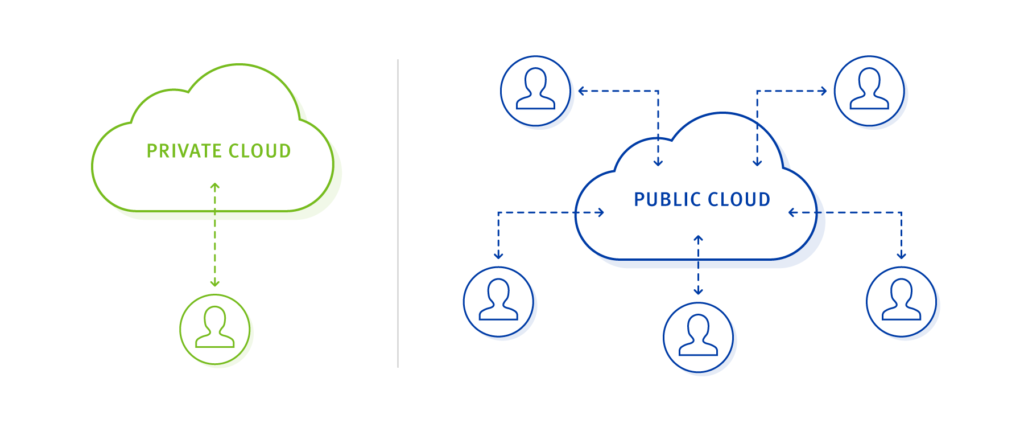
In a public cloud setup, the cloud provider owns and manages the infrastructure, including data centers, servers, and networking systems. Users access these services remotely and pay based on usage.
Unlike private cloud environments (which are dedicated to one organization), public clouds serve many customers simultaneously while keeping their data isolated and secure.
This shared model makes public cloud solutions affordable and highly scalable.
Popular Public Cloud Providers
Some of the most widely used public cloud providers include:
- Amazon Web Services — Known for extensive services and global infrastructure.
- Microsoft Azure — Popular among enterprises and businesses using Microsoft tools.
- Google Cloud Platform — Strong in analytics, AI, and modern application development.
Implementing centralized measures for multi cloud security can help mitigate risks associated with dispersed environments.
Key Characteristics of Public Cloud
✔ Shared Infrastructure
Resources are shared among multiple users, making services cost-effective.
✔ Pay-As-You-Go Pricing
Users pay only for the resources they consume.
✔ High Scalability
Cloud resources can expand or shrink instantly based on demand.
✔ Remote Accessibility
Services are accessible anywhere with internet connectivity.
These features make public cloud computing attractive to organizations of all sizes.
Benefits of Public Cloud Computing
Public cloud adoption continues to grow due to its numerous advantages.
Cost Efficiency
Businesses avoid expensive hardware purchases and maintenance.
Flexibility and Scalability
Companies can easily scale resources during peak demand. Businesses looking to optimize this process often turn to AWS cloud consulting services to design scalable architectures that better align with their workload patterns and growth needs.
Faster Deployment
Applications and systems can be launched quickly. As a result, Cloud native development supports faster delivery cycles and helps teams respond more efficiently to changing business needs.
Reliability
Major cloud providers offer high uptime and disaster recovery solutions.Monitoring these aspects with the top cloud observability tools can help identify potential issues before they impact uptime.
Innovation Opportunities
Access to advanced technologies like AI Automation, big data analytics, and machine learning becomes easier.
Common Uses of Public Cloud
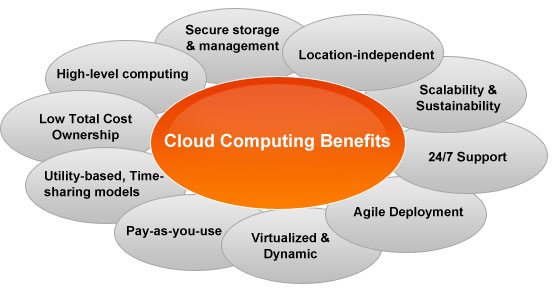
Public cloud services support many business and personal needs, including:
- Website and app hosting
- Data storage and backup
- Software development and testing
- Streaming services
- Business analytics
- Remote collaboration tools
These applications show how essential public cloud has become.
Public Cloud vs Private Cloud (Quick Comparison)
| Feature | Public Cloud | Private Cloud |
|---|---|---|
| Ownership | Third-party provider | Single organization |
| Cost | Lower upfront cost | Higher initial investment |
| Scalability | Very high | Limited compared to public cloud |
| Security Control | Shared responsibility | Full organizational control |
Many companies now use hybrid approaches combining both.
Challenges of Public Cloud
While beneficial, public cloud also has considerations:
- Data privacy concerns
- Dependence on internet connectivity
- Vendor lock-in risks
- Compliance requirements in some industries
Proper planning and security measures help manage these issues.
The Future of Public Cloud
Public cloud adoption is expected to grow rapidly due to:
- Increased digital transformation
- AI and machine learning integration
- Remote work trends
- Global data accessibility needs
Businesses increasingly rely on public cloud to stay competitive.
Final Thoughts
Public cloud computing offers a powerful, flexible, and cost-effective way to access advanced technology without heavy infrastructure investment. Whether you’re a startup, developer, or enterprise business, public cloud solutions provide scalability, reliability, and innovation opportunities that drive modern digital success.
Understanding public cloud concepts helps businesses make smarter technology decisions and prepare for a cloud-driven future.