
Cloud computing has transformed how businesses and individuals use technology. Instead of relying on physical hardware or local servers, organizations can access computing power, storage, and software through the internet. This flexible model reduces costs, improves scalability, and enables faster innovation.
However, cloud computing is not a single service. It is divided into different categories based on what level of control, flexibility, and management users need. Understanding these types of cloud computing services helps businesses choose the right solution for their goals.
1. Infrastructure as a Service (IaaS)
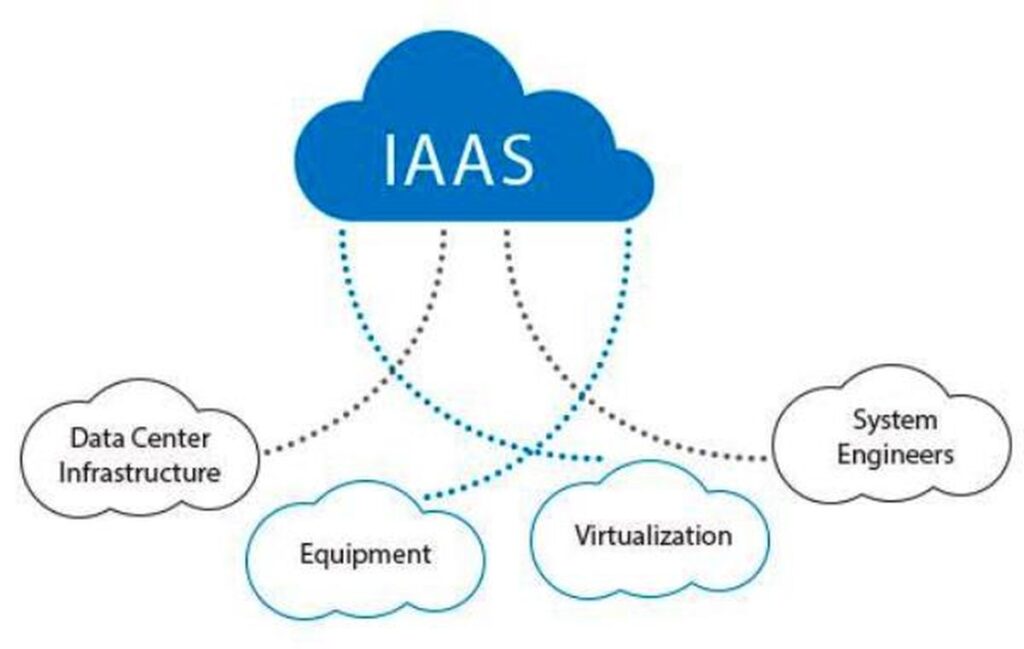
Infrastructure as a Service, commonly called IaaS, is the most basic level of cloud computing. It provides virtualized computing resources such as servers, storage, networking, and operating systems over the internet.
With IaaS, businesses don’t need to buy physical hardware. Instead, they rent infrastructure from cloud providers and manage their applications and systems themselves.
Key Features of IaaS:
- Virtual servers and storage on demand
- Full control over operating systems and applications
- High scalability and flexibility
- Pay-as-you-use pricing model
Many companies choose IaaS when they want maximum control while still benefiting from cloud flexibility.
Popular IaaS providers include:
These platforms offer global infrastructure and reliable performance.
2. Platform as a Service (PaaS)

Platform as a Service (PaaS) provides a ready-to-use environment where developers can build, test, and deploy applications without worrying about underlying infrastructure.
Instead of managing servers or operating systems, developers focus on coding, design, and functionality. The cloud provider handles maintenance, updates, and scaling automatically.
Advantages of PaaS:
- Faster application development
- Reduced infrastructure management
- Built-in development tools
- Automatic updates and security patches
PaaS is ideal for startups, software developers, and businesses that want to launch applications quickly.
Common PaaS offerings come from:
- Amazon Web Services
- Microsoft Azure
- Google Cloud Platform
These platforms provide frameworks, databases, and development tools.
3. Software as a Service (SaaS)

Software as a Service (SaaS) is the most widely used type of cloud computing. It delivers fully functional software applications over the internet without installation or maintenance requirements.
Users simply access software through a browser or app while the provider handles updates, security, and infrastructure.
Common SaaS Examples Include:
- Email platforms
- Customer relationship management (CRM) tools
- Project management software
- Online collaboration apps
SaaS benefits include:
- Easy access from any device
- No installation required
- Automatic updates
- Lower upfront costs
Businesses prefer SaaS because it saves time and simplifies operations.
4. Function as a Service (FaaS) / Serverless Computing
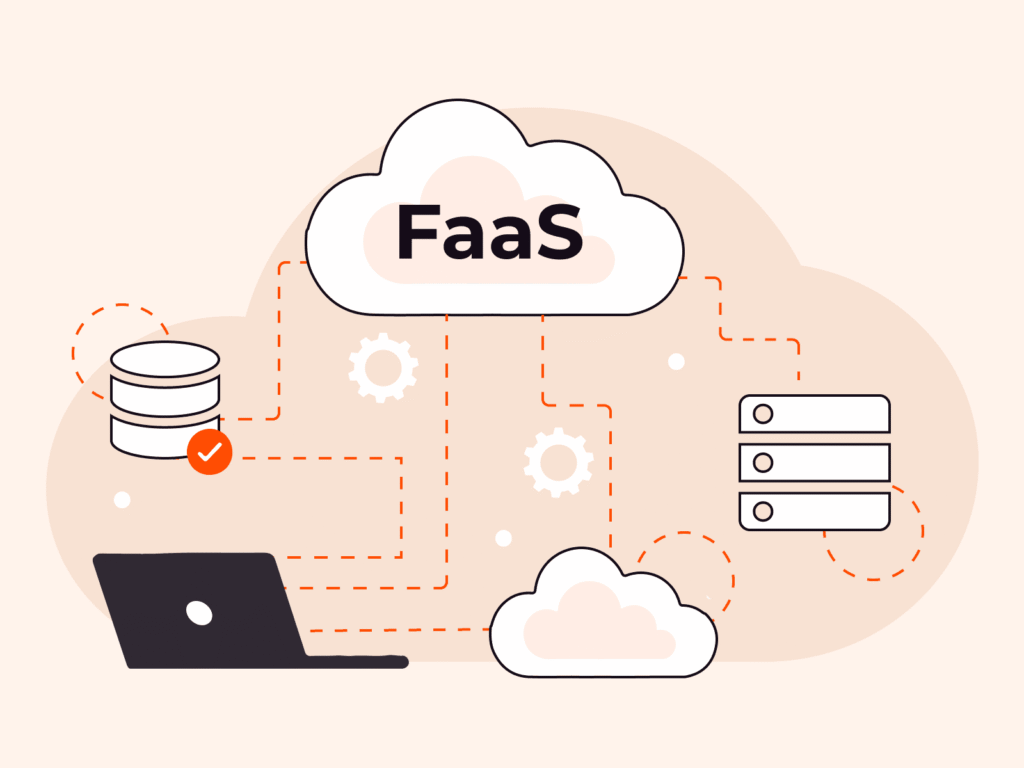
Another emerging type of cloud service is Function as a Service (FaaS), often called serverless computing.
In this model, developers run specific functions or code snippets without managing servers at all. The cloud provider automatically executes the code only when needed.
Benefits of Serverless Computing:
- Pay only for execution time
- Automatic scaling
- Reduced operational complexity
- Faster deployment
This approach is popular for modern applications, APIs, and microservices.
5. Hybrid Cloud Services
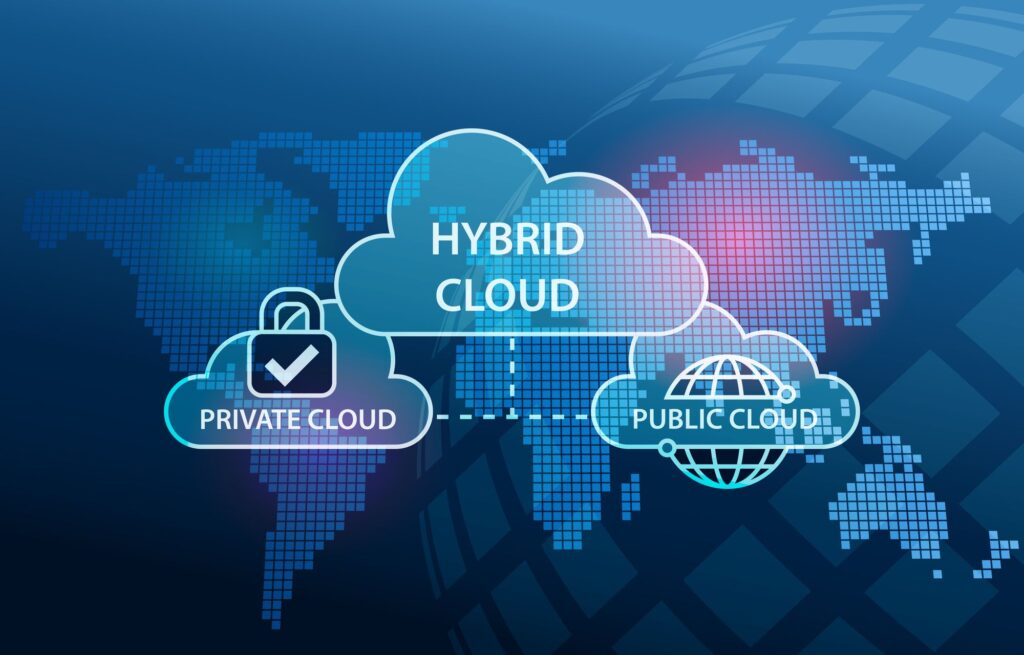
Hybrid cloud combines private cloud infrastructure with public cloud services. Businesses use both environments together for flexibility and security.
For example:
- Sensitive data stays in a private cloud.
- Less critical workloads run in public clouds.
Advantages of Hybrid Cloud:
- Greater control over sensitive data
- Cost efficiency
- Improved scalability
- Business continuity and disaster recovery
Many enterprises prefer hybrid solutions to balance security and performance.
How to Choose the Right Cloud Service
Choosing the best cloud computing service depends on your needs. Consider these factors:
✔ Business Goals
Are you building apps, hosting data, or using ready software?
✔ Budget
Different services have different pricing models.
✔ Technical Expertise
Some services require more technical knowledge than others.
✔ Security Needs
Highly sensitive industries may prefer hybrid or private cloud solutions.
Evaluating these factors helps ensure the right decision.
Why Cloud Services Matter Today
Cloud computing services have become essential for modern businesses because they:
- Reduce operational costs
- Increase flexibility
- Enable remote work
- Support innovation and digital transformation
- Improve data security and backup options
Companies that adopt cloud technologies often gain competitive advantages.
Final Thoughts
Understanding the types of cloud computing services — including IaaS, PaaS, SaaS, serverless computing, and hybrid cloud — is crucial for anyone working in technology or business today. Each service type offers different levels of control, flexibility, and convenience.
Whether you’re a startup founder, developer, IT professional, or entrepreneur, selecting the right cloud service can improve efficiency, reduce costs, and accelerate growth. As cloud technology continues to evolve, mastering these service models will remain an essential skill in the digital world.