
How to Improve PPC Performance?
Pay-per-click (PPC) advertising is one of the fastest ways to drive targeted traffic, generate leads, and boost sales. However, simply launching ads doesn’t guarantee success. Many businesses spend heavily on ads but struggle with poor click-through rates, high costs, or low conversions. That’s why understanding how to improve PPC performance is essential for anyone running digital advertising campaigns.
By optimizing keywords, ad copy, targeting, and data analysis, you can transform average campaigns into highly profitable ones. This guide explains practical, proven strategies to help you maximize your PPC results while minimizing wasted budget.
Understand Your Campaign Goals Clearly
Before improving performance, define what success means for your campaign. Without clear objectives, optimization becomes guesswork.
Common PPC goals include:
- Increasing website traffic
- Generating leads or sales
- Building brand awareness
- Promoting specific offers or products
When goals are clear, measuring performance becomes easier and more accurate.
Improve Keyword Targeting
Keywords are the backbone of PPC advertising. Targeting irrelevant or overly broad keywords often leads to wasted budget.
Platforms like Google Ads provide detailed keyword insights to help refine targeting.
Focus on:
- High-intent buyer keywords
- Long-tail keywords with less competition
- Regular keyword performance reviews
- Eliminating low-performing search terms
Better keyword targeting directly improves ad relevance and ROI.
Use Negative Keywords Strategically
Negative keywords prevent your ads from appearing in irrelevant searches. This helps protect your budget and improve campaign efficiency.
For example:
- Exclude “free” if you sell premium products
- Remove unrelated geographic terms
- Filter informational searches if you want buyers
Regular search term analysis helps identify new negative keywords.
Write Stronger, More Compelling Ads
Ad copy plays a huge role in attracting clicks. Generic ads rarely perform well.
Effective PPC ads typically include:
- Clear value proposition
- Emotional or problem-solving messaging
- Specific benefits or offers
- Strong call-to-action phrases
Testing different ad variations helps identify which messages resonate most with your audience.
Optimize Landing Pages for Conversions
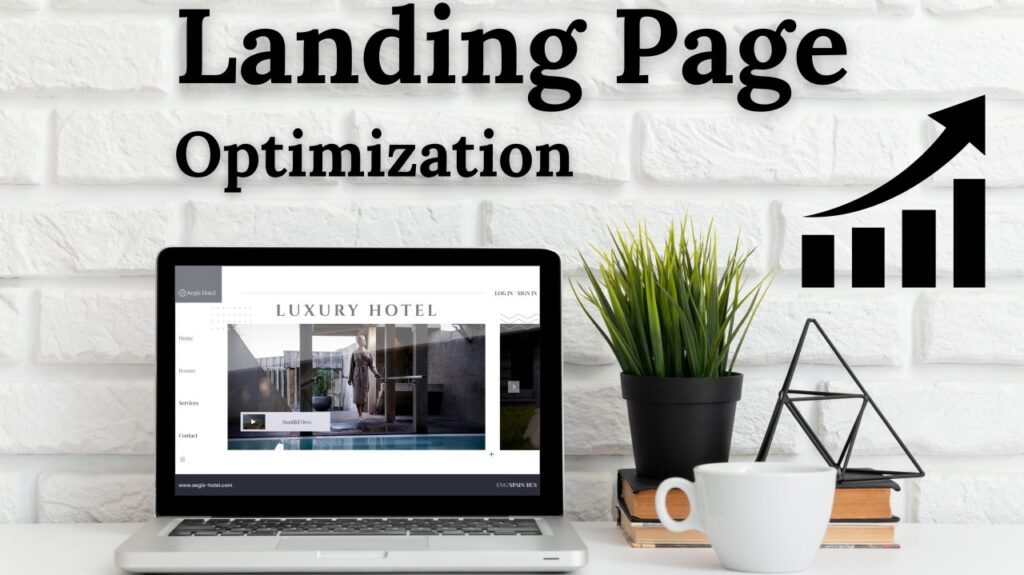
Even great ads won’t work if your landing page fails to convert visitors.
Key optimization factors include:
- Fast loading speed
- Mobile-friendly design
- Clear product or service explanation
- Visible call-to-action buttons
- Trust signals like testimonials or guarantees
Consistency between ad messaging and landing page content improves conversion rates significantly.
Analyze Competitor Strategies
Studying competitors provides valuable insights into industry trends and successful tactics.
Tools such as SEMrush and Ahrefs help uncover competitor keywords, ad copy, and performance data.
Look for:
- Common keyword patterns
- Promotional messaging styles
- Offer structures
- Landing page designs
This research helps you identify opportunities without blindly copying competitors.
Optimize Audience Targeting

Reaching the right audience improves conversions and reduces wasted clicks.
Targeting options to consider:
- Geographic location
- Demographics and interests
- Device-specific targeting
- Retargeting previous website visitors
For social advertising campaigns, platforms like Meta Ads provide advanced audience segmentation tools.
Better targeting often produces higher ROI without increasing budget.
Monitor Key PPC Metrics Regularly
Tracking performance metrics allows you to make data-driven improvements.
Important metrics include:
- Click-through rate (CTR)
- Conversion rate
- Cost per click (CPC)
- Cost per acquisition (CPA)
- Return on ad spend (ROAS)
Consistent monitoring helps identify issues early and optimize campaigns effectively.
Improve Bidding Strategies
Your bidding strategy significantly affects PPC performance.
Consider:
- Manual bidding for tighter control
- Automated bidding for data-driven optimization
- Increasing bids on high-performing keywords
- Lowering bids on poor performers
Balanced bidding ensures efficient budget usage.
Continuously Test and Optimize
Successful PPC campaigns rely on continuous testing.
Things to test include:
- Headlines and ad descriptions
- Landing page layouts
- Keyword variations
- Audience segments
- Promotional offers
Small improvements over time can lead to major performance gains.
Manage Budget Wisely
Budget management is crucial for sustainable PPC success.
Tips for better budget control:
- Focus spending on top-performing campaigns
- Pause underperforming ads quickly
- Monitor daily and weekly spending patterns
- Adjust for seasonal demand changes
Smart budgeting ensures long-term profitability.
Avoid Common PPC Mistakes
Many advertisers unknowingly reduce performance through simple errors.
Avoid:
- Ignoring campaign analytics
- Using generic ad copy
- Overlooking landing page optimization
- Chasing every competitor keyword
- Expecting instant results
Awareness of these mistakes helps maintain consistent improvement.
Final Thoughts
Improving PPC performance requires strategy, patience, and continuous optimization. By refining keywords, enhancing ad copy, optimizing landing pages, targeting the right audience, and analyzing data regularly, you can significantly improve your campaign results.
Remember, PPC success isn’t about spending more money — it’s about spending smarter. With the right approach, even modest budgets can generate strong returns.
Stay consistent, keep testing, and focus on delivering value to your audience. Over time, these efforts will transform your PPC campaigns into a reliable growth engine for your business.







I completely agree with the point about defining clear campaign goals before diving into optimization. It’s so easy to get caught up in tactics without understanding the bigger picture of what you want to achieve. Setting clear KPIs can really guide the whole process.
I really appreciate the emphasis on defining campaign goals first—so often teams jump into optimization without a clear north star, which leads to scattered efforts. The point about using negative keywords strategically also stood out, especially for avoiding irrelevant traffic that drains budgets. It’s a small tweak that can make a big difference in overall performance.