How to Optimize PPC Campaigns?
Pay-per-click (PPC) advertising is one of the fastest ways to generate traffic, leads, and sales online. However, simply running ads is not enough. Without proper optimization, PPC campaigns can drain your budget without delivering meaningful results. Learning how to optimize PPC campaigns helps you improve conversions, reduce costs, and maximize return on investment.
Whether you’re a beginner advertiser, ecommerce store owner, or digital marketer, this guide explains practical strategies to make your PPC campaigns more effective and profitable.
Understand Your Campaign Goals First
Before optimizing anything, clarify your objective. PPC optimization depends heavily on what you want to achieve.
Common PPC goals include:
- Increasing website traffic
- Generating leads or sales
- Building brand awareness
- Promoting specific products or offers
Clear goals help you measure success accurately and focus optimization efforts where they matter most.
Conduct Thorough Keyword Research
Keywords are the foundation of any PPC campaign. Targeting the wrong keywords leads to wasted budget and irrelevant clicks.
Tools like Google Ads, SEMrush, and Ahrefs can help identify valuable keyword opportunities.
Focus on:
- High-intent keywords that signal buying interest
- Long-tail keywords with lower competition
- Negative keywords to filter irrelevant traffic
- Seasonal or trending keywords
Regular keyword updates keep your campaign competitive.
Improve Ad Copy for Higher Click-Through Rates
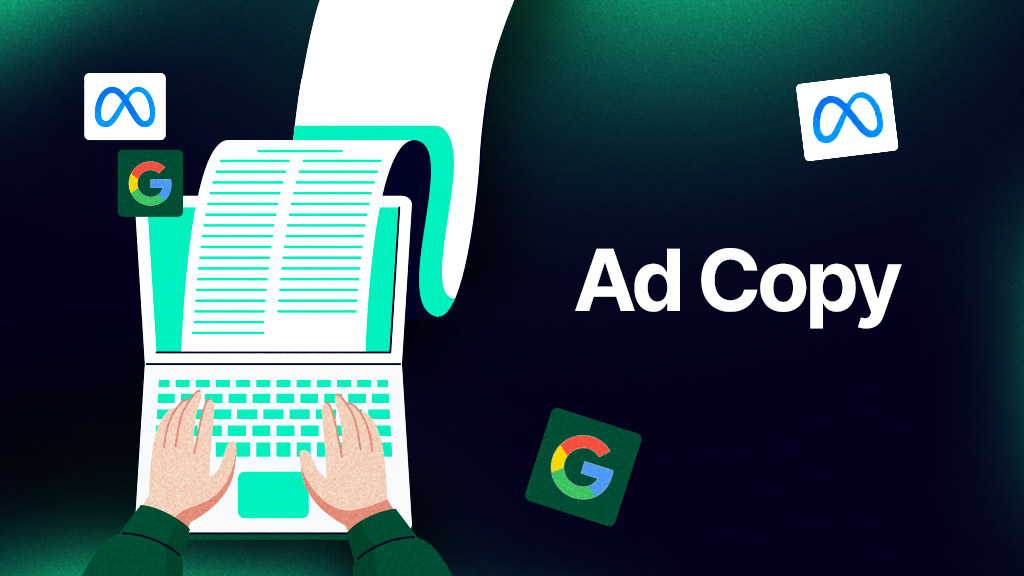
Your ad copy determines whether people click or scroll past. Even small changes can significantly increase performance.
Effective ad copy usually includes:
- A strong headline with clear value
- Emotional or problem-solving language
- Specific benefits rather than generic claims
- Clear call-to-action (CTA) phrases
Always test multiple ad variations. Split testing helps identify what resonates best with your audience.
Optimize Landing Pages for Conversions
Driving traffic is only half the battle. If your landing page isn’t optimized, visitors may leave without converting.
Important landing page elements:
- Fast loading speed
- Mobile-friendly design
- Clear product or service explanation
- Strong CTA placement
- Trust signals like reviews or guarantees
Alignment between ad message and landing page content improves conversion rates.
Monitor Quality Score Regularly
Quality Score influences ad rank and cost per click. Higher scores mean better visibility at lower costs.
Factors affecting Quality Score:
- Keyword relevance
- Ad copy quality
- Landing page experience
- Click-through rate history
Improving these elements reduces advertising costs over time.
Use Negative Keywords Effectively
Negative keywords prevent your ads from appearing for irrelevant searches. This protects your budget and improves targeting accuracy.
For example:
- Exclude “free” if you sell premium products
- Remove unrelated geographic terms
- Filter out informational searches if you want buyers
Regular review of search term reports helps identify new negative keywords.
Adjust Bidding Strategy Smartly
Bidding strategies directly impact campaign performance. Many advertisers overspend because they don’t optimize bids.
Consider:
- Manual bidding for tighter control
- Automated bidding for data-driven optimization
- Increasing bids on high-performing keywords
- Reducing bids on low-converting terms
Balanced bidding ensures efficient budget allocation.
Analyze Competitor Performance
Competitor research provides valuable insights into industry trends and winning strategies.
Look at:
- Competitor ad messaging
- Keyword targeting
- Promotional offers
- Landing page design
This helps you identify opportunities to differentiate your campaigns.
Track Data and Analytics Consistently
Data-driven decisions lead to better PPC optimization. Regular performance tracking reveals what works and what needs improvement.
Important metrics include:
- Click-through rate (CTR)
- Conversion rate
- Cost per conversion
- Return on ad spend (ROAS)
- Bounce rate
Analyzing these metrics helps refine campaigns continuously.
Test and Optimize Continuously
PPC optimization isn’t a one-time task. Continuous testing improves long-term results.
Test elements such as:
- Headlines and ad descriptions
- CTA wording
- Keyword variations
- Landing page layouts
- Audience targeting options
Small incremental improvements often produce significant gains.
Optimize Audience Targeting

Targeting the right audience improves conversions and reduces wasted clicks.
Consider:
- Geographic targeting
- Demographic segmentation
- Device optimization
- Retargeting previous visitors
Better targeting leads to higher ROI.
Manage Budget Efficiently
Budget control is critical for sustainable PPC success.
Tips for better budget management:
- Allocate more budget to high-performing campaigns
- Pause underperforming ads quickly
- Monitor daily spending patterns
- Adjust based on seasonal trends
Smart budget allocation maximizes profitability.
Avoid Common PPC Optimization Mistakes
Many advertisers unknowingly hurt their campaigns through simple mistakes.
Avoid:
- Ignoring data analysis
- Using generic ad copy
- Neglecting landing page optimization
- Overlooking negative keywords
- Stopping testing too early
Awareness of these mistakes helps maintain consistent performance.
Final Thoughts
Optimizing PPC campaigns requires a combination of strategy, creativity, and continuous analysis. By focusing on keyword research, compelling ad copy, landing page optimization, audience targeting, and performance tracking, you can significantly improve your advertising results.
Remember, PPC success doesn’t happen overnight. Regular monitoring, testing, and refinement are essential. With patience and data-driven decisions, optimized PPC campaigns can become a powerful growth engine for your business.