
What Is SaaS? Software as a Service Definition Explained
Introduction: Understanding SaaS in Today’s Digital World
Technology is changing how businesses use software. In the past, companies had to purchase expensive programs, install them on computers, and handle maintenance themselves. Today, things are very different. Many organizations prefer using software online through subscriptions rather than buying it outright.
This modern approach is known as Software as a Service (SaaS). It allows users to access applications through the internet without worrying about installation, updates, or hardware limitations. As a result, SaaS has become one of the fastest-growing technology models worldwide.
Understanding what SaaS means and how it works can help businesses make smarter decisions about digital tools.
SaaS Definition: What Does Software as a Service Mean?
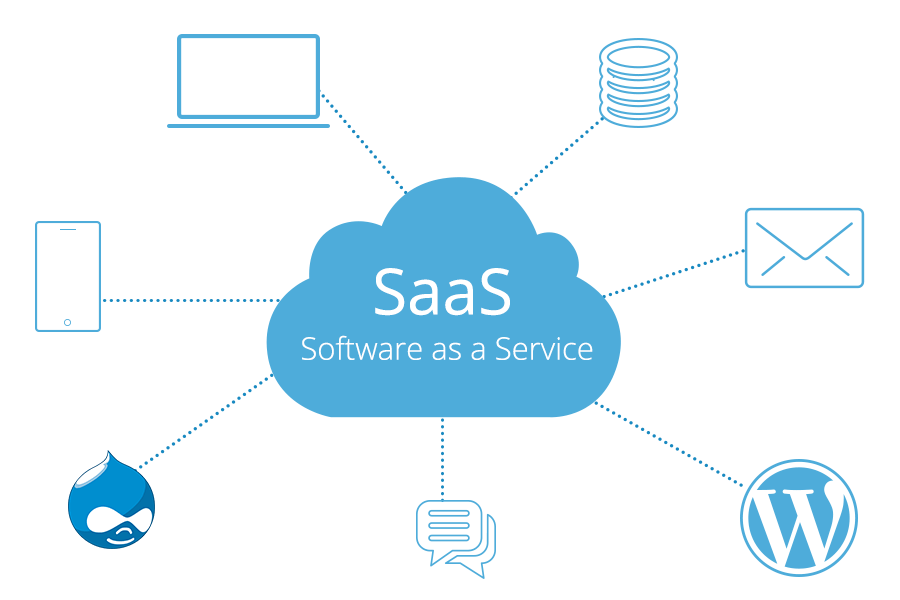
Software as a Service (SaaS) refers to a cloud-based software delivery model where applications are hosted online and accessed through the internet. Instead of purchasing software permanently, users subscribe to it on a monthly or yearly basis.
In simple terms, SaaS means:
- Software hosted on remote servers
- Accessed via web browsers or apps
- Paid through subscriptions
- Maintained by the service provider
This model eliminates the need for local installations and manual updates.
How SaaS Works
SaaS operates through cloud computing infrastructure. Software providers host applications on secure servers and manage everything from performance to security updates.
Here’s how it typically works:
- Users sign up for an account.
- They log in through a browser or mobile app.
- The software runs online rather than on local devices.
- Providers handle updates automatically.
Because everything is managed centrally, users enjoy smooth performance without technical headaches.
Key Characteristics of SaaS
Although SaaS platforms vary widely, most share certain important features.
Cloud Accessibility
Users can access software from anywhere with an internet connection. This flexibility supports remote work and global collaboration.
Subscription-Based Pricing
Instead of large upfront costs, users pay recurring fees, making budgeting easier.
Automatic Updates
Service providers handle updates, ensuring users always have the latest version.
Scalability
Businesses can increase or reduce usage depending on needs.
Data Security
Professional providers implement security protocols to protect sensitive information.
These characteristics make SaaS appealing to businesses of all sizes.
Benefits of Software as a Service
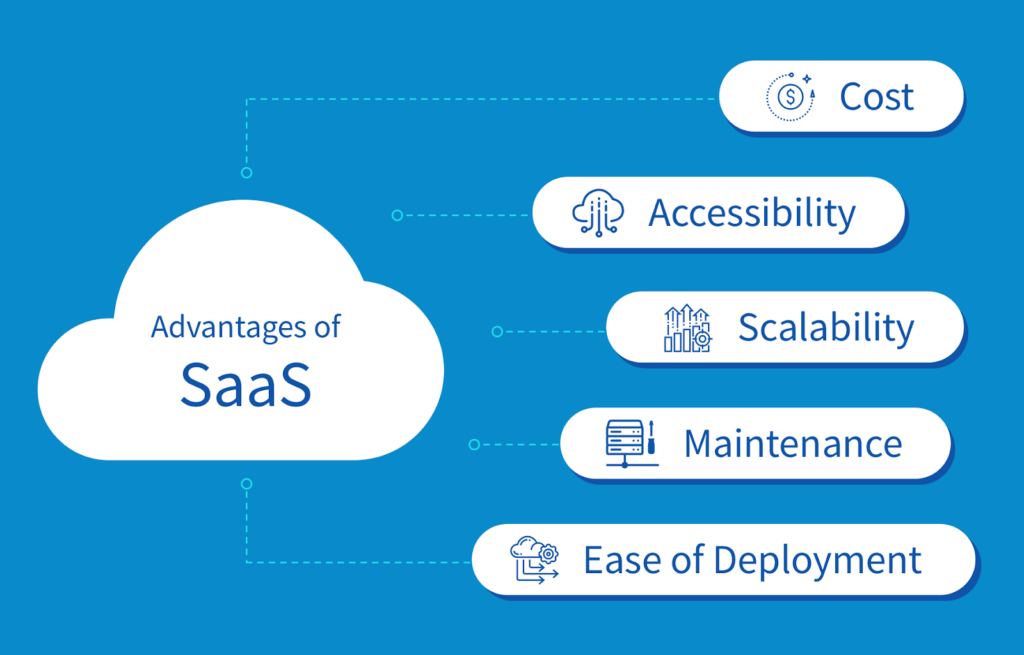
Many organizations adopt SaaS because of the advantages it offers over traditional software models.
Cost Efficiency
Subscription pricing reduces upfront investment and maintenance costs.
Easy Implementation
Most SaaS tools require minimal setup, saving time and resources.
Accessibility
Employees can work from anywhere, increasing productivity.
Continuous Innovation
Providers regularly improve features and functionality.
Reduced IT Burden
Businesses no longer need extensive technical support for software maintenance. In many cases, organizations complement SaaS adoption by working with IT managed service providers to oversee system performance, security, and integrations across their technology stack.
These benefits explain why SaaS adoption continues growing globally.
Common Examples of SaaS Applications
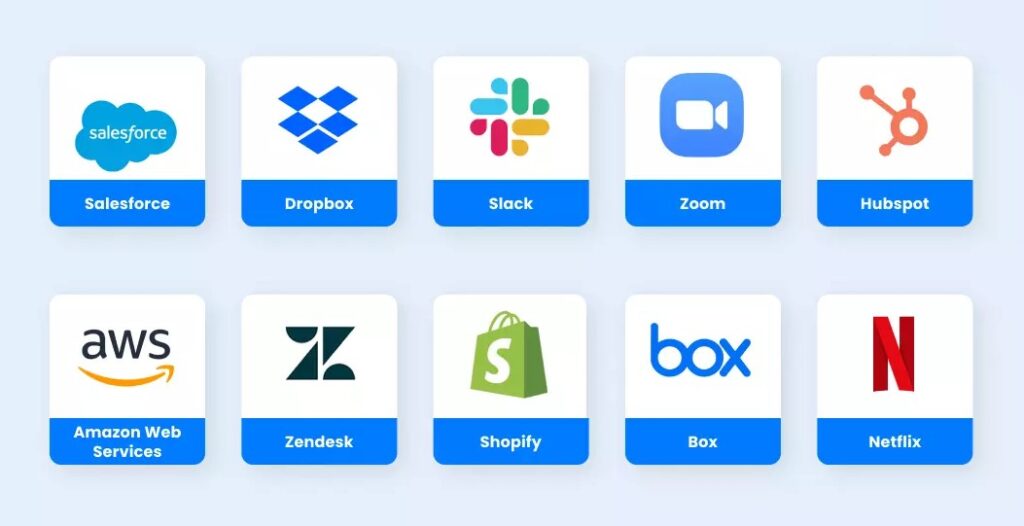
SaaS covers a wide range of industries and business functions. Popular categories include:
- Customer relationship management software
- Email marketing platforms
- Cloud storage services
- Accounting tools
- Project management applications
- Ecommerce platforms
These solutions help businesses streamline operations and improve efficiency.
SaaS vs Traditional Software
Understanding the difference between SaaS and traditional software helps clarify its value.
Traditional Software
- Installed locally on computers
- Requires manual updates
- Often involves large upfront costs
- Limited remote accessibility
SaaS Software
- Hosted in the cloud
- Automatically updated
- Subscription-based pricing
- Accessible from anywhere
This shift toward flexibility and convenience has driven SaaS popularity.
Challenges of SaaS Adoption
Although SaaS offers many advantages, businesses should consider potential challenges.
Internet Dependence
Reliable internet connectivity is essential for smooth operation.
Data Privacy Concerns
Organizations must ensure providers follow strong security standards.
Subscription Costs Over Time
Long-term subscriptions may add up if not managed properly.
Integration Issues
Some tools may require additional setup to work with existing systems.
Addressing these factors ensures successful implementation.
Future Trends in SaaS
The SaaS industry continues evolving rapidly. Several trends are shaping its future.
Artificial intelligence integration is improving automation and personalization. Remote collaboration tools are becoming more advanced. Security technologies are strengthening to protect data. Additionally, customization options are expanding, allowing businesses to tailor software to specific needs.
These developments indicate strong long-term growth for SaaS solutions.
Why SaaS Matters for Modern Businesses
Businesses today operate in fast-paced digital environments. Flexibility, efficiency, and cost control are essential for staying competitive. SaaS supports these goals by providing scalable, accessible, and constantly improving software solutions.
Companies adopting SaaS often experience:
- Faster innovation cycles
- Better collaboration
- Lower operational costs
- Increased agility
These benefits make SaaS a strategic advantage in many industries.
Final Thoughts
Software as a Service, commonly known as SaaS, represents a modern approach to software delivery. Instead of purchasing and installing programs locally, businesses subscribe to cloud-based applications accessible from anywhere.
This model offers flexibility, cost efficiency, automatic updates, and improved collaboration. While challenges exist, the benefits often outweigh the drawbacks, making SaaS a preferred choice for organizations worldwide.
As technology continues advancing, SaaS will likely remain a cornerstone of digital transformation. Understanding its definition and advantages helps businesses choose the right tools for long-term success.