
What Is SaaS Marketing?
Introduction: Understanding SaaS Marketing
As businesses increasingly move online, software companies are shifting from traditional product sales to subscription-based digital solutions. This model, known as Software as a Service (SaaS), has created a unique marketing landscape where customer relationships, recurring revenue, and long-term engagement matter more than one-time sales.
SaaS marketing refers to the strategies used to promote cloud-based software products, attract potential users, convert them into customers, and retain them over time. Because customers pay regularly for continued access, marketing efforts must focus not only on acquisition but also on retention and satisfaction.
Understanding SaaS marketing helps businesses grow sustainably in today’s digital economy.
What Is SaaS Marketing?
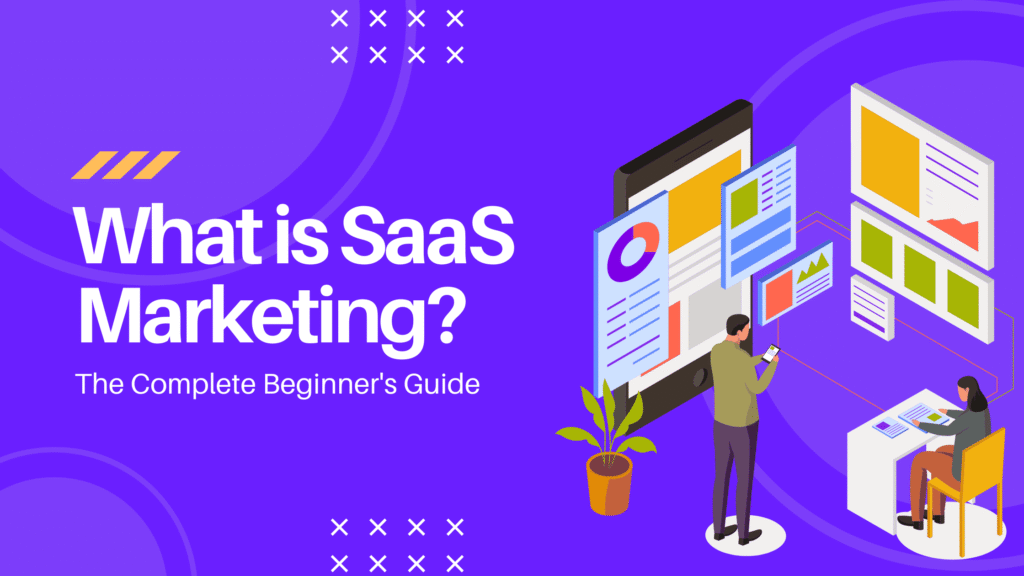
SaaS marketing involves promoting subscription-based software solutions through digital channels such as search engines, social media, email campaigns, content marketing, and paid advertising. The goal is to attract qualified users, demonstrate product value, and build lasting customer relationships.
Unlike traditional product marketing, SaaS marketing emphasizes:
- Continuous customer engagement
- Education about product benefits
- Trust-building through content
- Long-term retention strategies
This approach ensures steady recurring revenue and sustainable growth.
Why SaaS Marketing Is Different
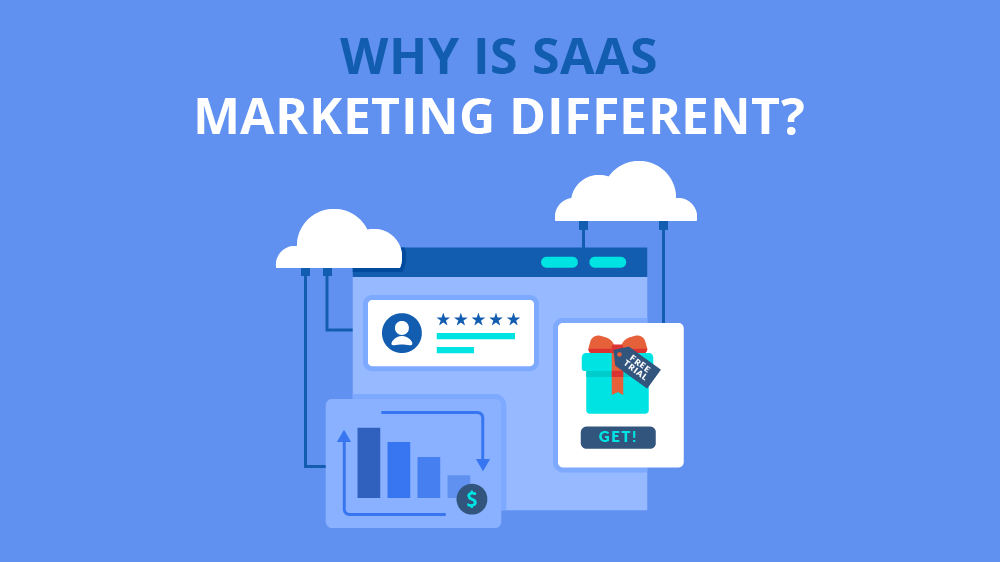
Marketing software services differs from marketing physical products because the value is ongoing rather than immediate. Customers expect consistent performance, updates, and support.
Key Differences Include:
- Subscription-based revenue model
- Longer customer lifecycle
- Greater emphasis on onboarding
- Continuous product improvement
- Focus on customer success
These factors require specialized marketing strategies.
Core Components of SaaS Marketing
Effective SaaS marketing relies on multiple interconnected elements.
Content Marketing
Educational blogs, videos, and guides help customers understand software benefits. Informative content builds credibility and attracts organic traffic.
Search Engine Optimization (SEO)
Optimizing websites for search engines helps software companies appear when users search for solutions online.That visibility starts with how the site is built Brand Vision web design focuses on conversion-ready structure that supports both SEO and user experience. SEO agency services support this process by improving rankings, visibility, and online traffic for software companies.
Paid Advertising
Targeted ads on platforms like Google or social media drive immediate traffic and lead generation.
Email Marketing
Regular communication keeps users engaged and encourages renewals.
Social Media Engagement
Platforms help build brand awareness and foster community interaction.
Combining these methods improves visibility and conversion rates.
The SaaS Marketing Funnel Explained
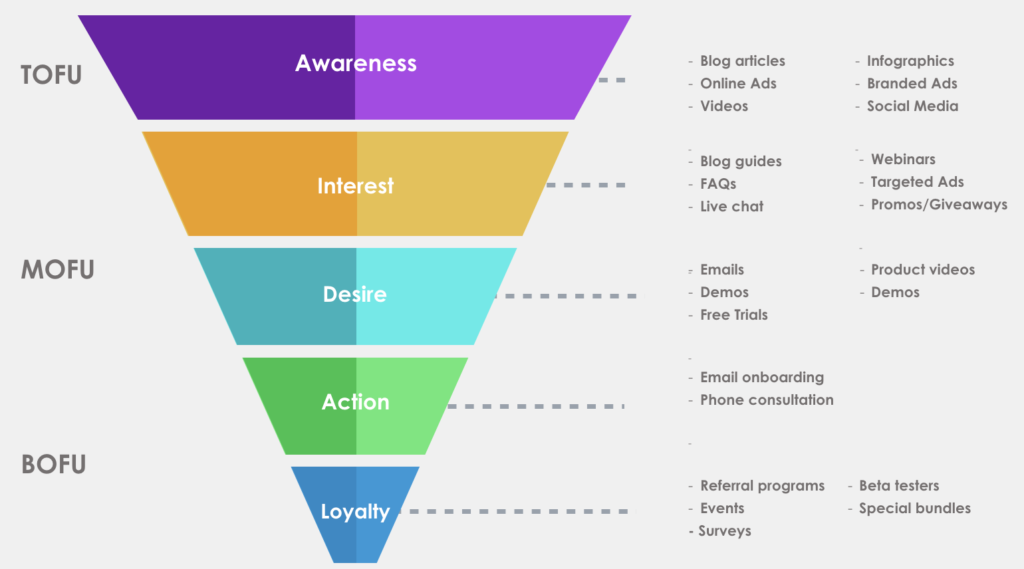
Understanding the marketing funnel helps companies guide customers from awareness to loyalty.
Awareness Stage
Potential customers discover the software through blogs, ads, or social media.
Consideration Stage
Users evaluate features, pricing, and benefits.
Conversion Stage
Customers subscribe or start free trials.
Retention Stage
Ongoing support ensures continued satisfaction.
Advocacy Stage
Happy customers recommend the software to others.
This structured journey improves long-term success.
Effective SaaS Marketing Strategies
Companies use several proven strategies to attract and retain users.
Free Trials and Freemium Models
Allowing customers to test software builds trust and reduces purchase hesitation.
Educational Webinars
Live demonstrations explain product benefits effectively.
Customer Testimonials
Positive reviews strengthen credibility.
Personalized Email Campaigns
Tailored messages improve engagement.
Data-Driven Marketing
Analytics help refine campaigns and target audiences more precisely.
These approaches increase conversions while improving customer experience.
Benefits of Strong SaaS Marketing
Successful SaaS marketing delivers multiple advantages.
Predictable Revenue Growth
Recurring subscriptions provide steady income.
Customer Loyalty
Consistent communication builds trust.
Global Reach
Digital marketing connects companies with international audiences.
Scalability
Cloud software supports growing customer bases easily.
Brand Authority
Educational content establishes industry expertise.
These benefits make strategic marketing essential.
Common Challenges in SaaS Marketing
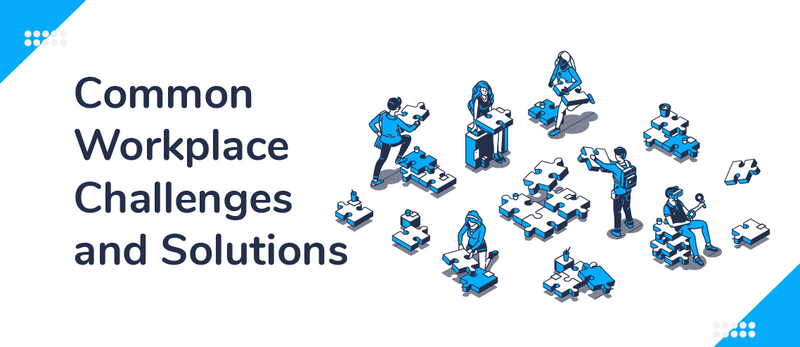
Despite its advantages, SaaS marketing presents unique challenges.
Customer Churn
Losing subscribers impacts recurring revenue.
High Competition
Many software providers compete for attention.
Complex Product Education
Explaining technical features requires clear communication.
Pricing Sensitivity
Customers compare multiple options before deciding.
Addressing these challenges requires strategic planning.
Measuring SaaS Marketing Success
Tracking performance helps improve campaigns.
Important Metrics Include:
- Customer acquisition cost
- Customer lifetime value
- Conversion rates
- Churn rate
- Monthly recurring revenue
Analyzing these metrics ensures better decision-making.
Future Trends in SaaS Marketing
Technology continues shaping SaaS marketing strategies.
Artificial intelligence improves personalization. Automation streamlines customer onboarding. Video content and interactive demos enhance engagement. Data analytics enables more precise targeting.
Additionally, customer experience is becoming a major competitive factor. Companies investing in user satisfaction often achieve better retention rates.
These trends indicate ongoing innovation in SaaS marketing.
Why Businesses Should Invest in SaaS Marketing
Marketing is essential for SaaS companies because their success depends on long-term customer relationships. Without effective promotion and retention strategies, even excellent software can struggle to gain traction.
Investing in marketing ensures:
- Continuous user acquisition
- Strong brand visibility
- Higher customer satisfaction
- Sustainable revenue growth
Businesses that prioritize marketing often outperform competitors.
Final Thoughts
SaaS marketing is more than promoting software — it’s about building relationships, educating customers, and delivering ongoing value. Unlike traditional product marketing, it focuses on retention, engagement, and consistent customer success.
As businesses increasingly adopt cloud-based solutions, mastering SaaS marketing becomes essential for growth. Companies that combine strategic promotion, excellent customer support, and continuous innovation are best positioned for long-term success.
Whether you’re a startup founder, marketer, or business owner, understanding SaaS marketing can help you thrive in today’s digital marketplace.

I love how you mentioned the importance of customer testimonials. In the SaaS world, word of mouth can have such a powerful impact. Combining that with personalized email campaigns really helps strengthen relationships with users.