
Introduction: Understanding SaaS Marketplaces
The digital business landscape is evolving quickly, and companies increasingly rely on cloud-based software to manage operations, marketing, communication, and customer relationships. Instead of buying traditional software installed on computers, businesses now prefer flexible online tools known as Software as a Service (SaaS).
As the number of SaaS products grows, finding the right tool can become overwhelming. This is where a SaaS marketplace plays an important role. It acts as a central platform where businesses and individuals can discover, compare, and subscribe to various cloud-based software solutions.
Understanding how SaaS marketplaces work can help companies make smarter technology decisions and streamline their operations efficiently.
What Is a SaaS Marketplace?

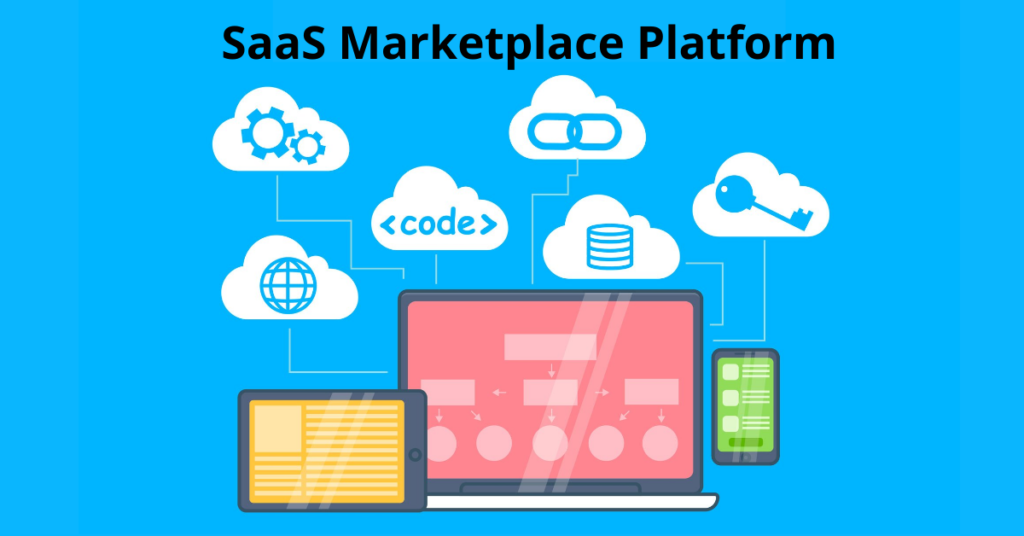
A SaaS marketplace is an online platform where different software providers list their cloud-based applications for customers to browse, evaluate, and purchase. These platforms simplify the process of finding business software by bringing multiple vendors together in one place.
Instead of visiting dozens of websites separately, users can explore various tools within a single marketplace. This convenience saves time and helps businesses make informed decisions based on reviews, features, pricing, and integrations.
Examples of solutions commonly found in SaaS marketplaces include:
- Marketing automation tools
- Customer relationship management systems
- Accounting software
- Project management platforms
- Ecommerce and design applications
These marketplaces are becoming essential hubs for digital business tools.
How a SaaS Marketplace Works
Although each platform may differ slightly, most SaaS marketplaces follow a similar process.
First, software providers list their products on the marketplace with detailed descriptions, pricing information, and feature highlights. Then, customers browse the marketplace, compare options, read user reviews, and choose a solution that fits their needs.
After selecting a product, users can often subscribe directly through the marketplace. Some platforms also provide billing integration, customer support, and software management tools, making the experience smoother for both buyers and sellers.
This simplified process benefits businesses looking for efficient software solutions.
Key Benefits of Using a SaaS Marketplace
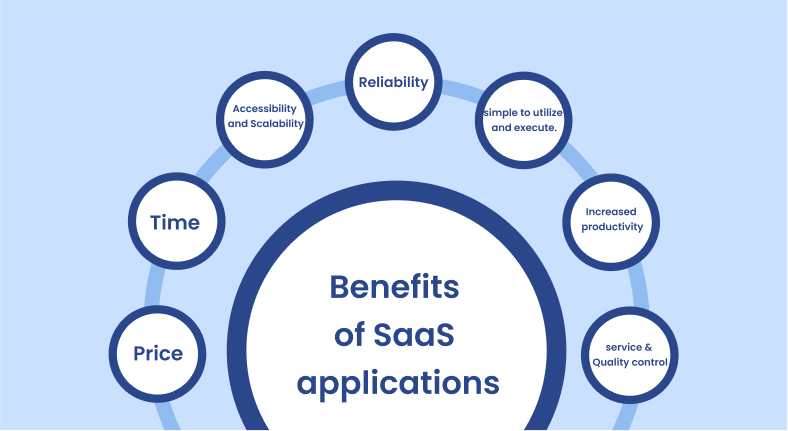
SaaS marketplaces offer advantages to both software buyers and developers. These benefits explain why such platforms are growing rapidly.
Easy Software Discovery
Businesses can quickly find tools tailored to their needs without extensive research. Organized categories and search filters make exploration simple.
Time and Cost Efficiency
Comparing multiple solutions in one place saves time and helps identify cost-effective options, which aligns with the broader strategic imperative of SaaS in modern business for improving operational efficiency.
Trusted Reviews and Ratings
User feedback helps customers evaluate reliability before purchasing.
Simplified Integration
Many marketplaces ensure listed tools integrate easily with existing systems.
Centralized Management
Some platforms allow businesses to manage subscriptions, billing, and updates from a single dashboard.
These advantages improve operational efficiency significantly.
Types of SaaS Marketplaces
Not all SaaS marketplaces are the same. Different types cater to specific audiences and industries.
General SaaS Marketplaces
These platforms host a wide range of software categories suitable for various industries. They serve small businesses, startups, and enterprises alike.
Industry-Specific Marketplaces
Some marketplaces focus on specific sectors such as healthcare, ecommerce, education, or finance. These platforms provide specialized tools designed for industry needs.
Cloud Provider Marketplaces
Major cloud companies offer marketplaces where customers can access software compatible with their infrastructure.
Understanding these types helps businesses choose the most suitable platform.
Why Businesses Use SaaS Marketplaces
Companies increasingly rely on SaaS marketplaces for efficiency and strategic advantages.
One major reason is convenience. Instead of negotiating separately with multiple vendors, businesses can compare solutions quickly.
Another important factor is reliability. Established marketplaces often vet software providers, reducing risk for customers.
Additionally, marketplaces encourage innovation by exposing businesses to new technologies they might not discover otherwise.
Overall, these platforms simplify digital transformation for organizations of all sizes.
Benefits for SaaS Providers
SaaS marketplaces also benefit software developers and vendors.
They provide exposure to larger audiences without heavy marketing investment. Listing on a trusted marketplace increases credibility and trust.
Moreover, marketplaces often handle payment processing, customer acquisition support, and promotional opportunities. Business platforms like Whop go further, bundling checkout, payouts, and built-in advertising into a single dashboard. This allows developers to focus more on improving their products.
As competition increases, marketplaces become valuable distribution channels for SaaS providers.
Challenges of SaaS Marketplaces
Despite many advantages, SaaS marketplaces present some challenges.
Increased Competition
Multiple vendors offering similar solutions can make differentiation difficult.
Platform Fees
Some marketplaces charge commissions or listing fees.
Limited Branding Control
Providers may have less flexibility in how their brand appears.
Dependency Risk
Relying heavily on a single marketplace may limit independence.
Understanding these challenges helps businesses plan strategically.
Future Trends in SaaS Marketplaces
The SaaS ecosystem continues evolving rapidly. Several trends are shaping the future of SaaS marketplaces.
Artificial intelligence is improving software recommendations based on user needs. Automation simplifies onboarding and integration processes. Security standards are also becoming stronger to protect sensitive business data.
Additionally, vertical-specific marketplaces are growing, offering highly specialized solutions for industries like healthcare, finance, and ecommerce.
These developments indicate continued growth and innovation in SaaS marketplaces.
Final Thoughts
A SaaS marketplace is essentially a digital hub where businesses can discover, compare, and subscribe to cloud-based software solutions efficiently. It simplifies software selection, improves decision-making, and supports business productivity.
For organizations seeking modern digital tools, SaaS marketplaces offer convenience, reliability, and access to innovative technologies. For software providers, they provide visibility, customer reach, and growth opportunities.
As businesses continue adopting cloud technology, SaaS marketplaces will play an even more significant role in shaping the future of software distribution and digital business operations.
Understanding how these platforms work can help businesses stay competitive and make smarter technology investments in today’s fast-changing digital world.