
In today’s digital world, shopping has moved far beyond physical stores. Millions of people now prefer buying products online because it’s fast, convenient, and offers endless choices. But simply launching an online store doesn’t guarantee sales. This is where ecommerce marketing comes in — the driving force behind successful online businesses.
Ecommerce marketing is the process of promoting your online store, attracting potential customers, and converting visitors into buyers using digital marketing strategies. It combines creativity, data, technology, and customer understanding to build visibility, trust, and long-term growth for an ecommerce brand.
Whether you run a Shopify store, dropshipping business, or your own branded ecommerce website, understanding ecommerce marketing can transform your business from “just another store” into a profitable brand.
Understanding Ecommerce Marketing in Simple Terms
At its core, ecommerce marketing means using online channels to:
- Bring people to your store
- Convince them to buy your products
- Encourage repeat purchases
- Build a recognizable brand
The digital marketing services involve multiple platforms such as search engines, social media, email, paid ads, influencers, and content marketing. Successful ecommerce brands don’t rely on one strategy — they combine several methods to create a complete marketing ecosystem, from partnering with ecommerce branding agencies like SmashBrand to automating their email makreting effots.
For example, a customer might first see your Instagram ad, then Google your brand, read reviews, visit your website, and finally purchase after receiving an email discount. That entire journey is ecommerce marketing in action.
Why Ecommerce Marketing Is So Important
Many new store owners believe that once their website is live, customers will automatically come. Unfortunately, the internet is crowded with competitors. Without proper marketing, even great products can remain unnoticed.
Effective ecommerce marketing helps you:
1. Increase Visibility
With SEO, ads, and social media, your brand becomes discoverable to people actively searching for your products.
2. Build Customer Trust
Consistent branding, reviews, and valuable content make customers feel confident buying from you.
3. Boost Sales and Revenue
Strategic marketing attracts targeted traffic — people who are more likely to purchase.
4. Create Long-Term Growth
Repeat customers and brand loyalty are built through ongoing marketing efforts.
In short, ecommerce marketing is not optional — it’s essential for survival in the online marketplace.
Key Types of Ecommerce Marketing
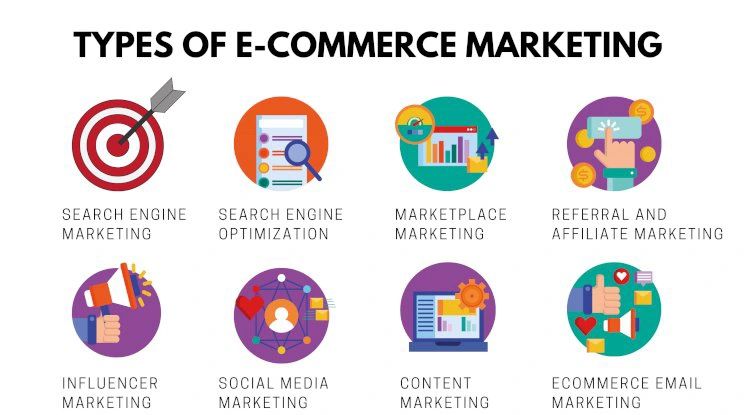
Let’s explore the most effective ecommerce marketing methods used by successful online businesses.
Search Engine Optimization (SEO)
SEO focuses on optimizing your website so it appears higher in search engine results. When someone searches for a product you sell, strong SEO increases the chances they’ll find your store.
This includes:
- Optimizing product titles and descriptions
- Using relevant keywords
- Improving website speed
- Creating helpful blog content
- Earning high-quality backlinks through a structured link building plan
SEO takes time, but it provides long-term, free traffic.
Social Media Marketing
Social media platforms like Instagram, Facebook, TikTok, and Pinterest are powerful ecommerce marketing tools. They allow brands to connect directly with customers, showcase products visually, and build community engagement. Implementing a Whatsapp marketing solution can enhance direct communication and foster stronger customer relationships.
Posting consistently, sharing customer testimonials, creating reels, and running targeted ads can dramatically increase store traffic and help brands increase followers across key social platforms.
Many ecommerce brands grow primarily through social media because it builds both visibility and trust simultaneously. To further enhance engagement and build trust, brands can embed live social proof directly on their website using an Instagram widget , showcasing real-time content, customer interactions, and user-generated posts.
Paid Advertising (PPC Ads)
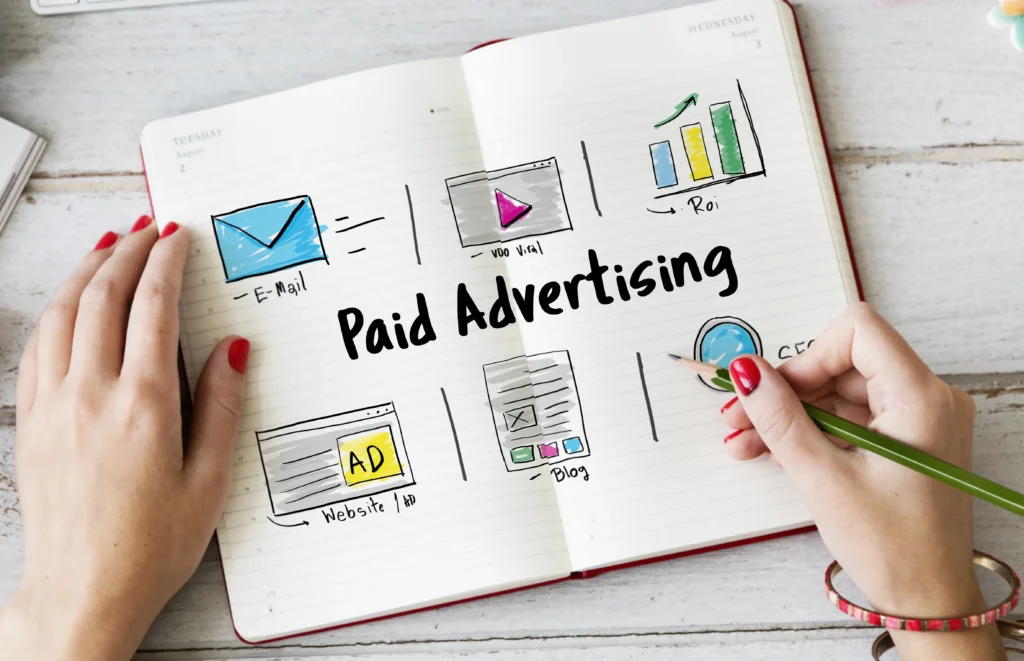
Paid ads deliver faster results compared to organic marketing. Platforms like:
- Google Ads
- Facebook & Instagram Ads
- TikTok Ads
- YouTube Ads
allow businesses to target specific audiences based on interests, location, behavior, and demographics.
Paid advertising works best when combined with strong visuals, compelling copy, and optimized landing pages.
Email Marketing
Email marketing remains one of the highest-return ecommerce strategies. It helps businesses maintain direct communication with customers.
Common ecommerce email campaigns include:
- Welcome emails for new subscribers
- Promotional discounts
- Abandoned cart reminders
- Product launch announcements
- Loyalty offers
A well-built email list can generate consistent repeat sales without additional advertising costs.To maintain strong deliverability and engagement, email warm up tools help improve sender reputation and ensure your campaigns consistently reach subscribers’ inboxes, maximizing repeat sales potential.
Content Marketing
Content marketing focuses on providing valuable information rather than directly selling. This includes:
- Blog articles
- Product guides
- Tutorials
- Videos
- Reviews
Quality content attracts visitors, builds authority, and improves SEO rankings. It also helps customers make informed buying decisions.
Influencer Marketing
Collaborating with influencers allows brands to tap into established audiences. When trusted creators recommend products, customers are more likely to purchase. Platforms like Influencer Hero and SARAL help brands discover the right creators, manage collaborations, and track campaign performance from one place.
This strategy is especially effective for fashion, beauty, tech gadgets, and lifestyle products. For Shopify-based brands, SATHI extends the same influencer-marketing logic into a structured affiliate layer that ties creator posts to trackable revenue and guards against coupon-code fraud.
How Ecommerce Marketing Improves Customer Experience
Modern ecommerce marketing isn’t just about selling — it’s about creating a positive shopping journey.
Successful brands focus on:
- Fast website loading speed
- Mobile-friendly design
- Clear product images
- Honest descriptions
- Easy checkout process
- Responsive customer support
A smooth experience increases customer satisfaction and repeat purchases.
Common Ecommerce Marketing Mistakes to Avoid
Many businesses struggle because they make avoidable mistakes.
Ignoring Target Audience
Marketing without understanding customer needs leads to wasted budget.
Poor Product Presentation
Low-quality images or unclear descriptions reduce trust.
Lack of Consistency
Inconsistent posting or branding weakens credibility.
No Data Analysis
Successful marketers track performance and adjust strategies accordingly.
Avoiding these mistakes can significantly improve results.
Future Trends in Ecommerce Marketing
Ecommerce marketing continues to evolve. Some growing trends include:
- AI-powered personalization
- Voice search optimization
- Video-first marketing
- Social commerce integration
- Chatbots for customer support
Brands that adapt quickly often gain a competitive advantage.
Final Thoughts
Ecommerce marketing is the backbone of every successful online store. It’s not just about promoting products — it’s about creating relationships, delivering value, and building trust with customers.
By combining SEO, social media marketing, paid ads, email campaigns, content marketing, and customer-focused strategies, businesses can attract the right audience and achieve sustainable growth.
If you’re serious about growing your ecommerce business, investing time and effort into marketing isn’t optional — it’s the smartest move you can make. With the right strategy, consistency, and customer understanding, ecommerce marketing can turn your online store into a thriving brand.