
Marketing without clear goals is like driving without a destination. You may move forward, but you won’t know whether you’re heading in the right direction. That’s why successful businesses always define clear marketing goals before launching campaigns.
Marketing goals help companies focus their efforts, measure success, and ensure every marketing activity supports overall business growth. Whether you run an ecommerce store, agency, or startup, understanding marketing goals can significantly improve your results.
Let’s explore what marketing goals are, why they matter, and how you can set effective ones.
What Are Marketing Goals?
Marketing goals are specific targets businesses set to guide their marketing strategies and evaluate performance. Instead of vague ambitions like “grow the business,” these goals are measurable, actionable, and aligned with company objectives.
For example, a business might set goals such as:
- Increasing website traffic
- Generating more qualified leads
- Improving customer engagement
- Boosting brand awareness
- Increasing sales revenue
Clear goals turn marketing from guesswork into a structured growth strategy.
Why Marketing Goals Are Important
Setting marketing goals is not just a planning exercise — it directly impacts results. Without defined goals, businesses often waste time, money, and resources on ineffective campaigns. Implementing OKR frameworks can help teams prioritize and measure progress more effectively.
Here’s why marketing goals matter:
- They provide direction and focus
- They help measure campaign performance
- They improve budget allocation
- They ensure alignment with business objectives
- They make decision-making easier
Simply put, goals help businesses move from random promotion to strategic marketing.
Key Types of Marketing Goals
Marketing goals can vary depending on business needs, but some common ones appear across industries. Understanding these helps you design a balanced marketing strategy.
1. Brand Awareness Goals
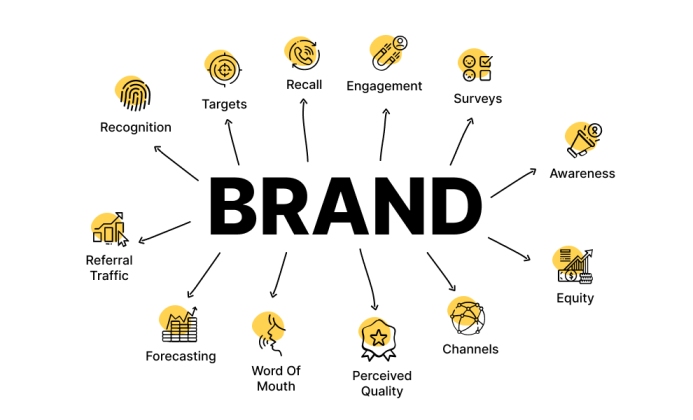
Before customers buy from you, they must know you exist. Brand awareness goals focus on increasing visibility and recognition.
Typical strategies include:
- Social media campaigns like Meta, Tiktok and Google ads etc.
- SEO optimization
- Influencer collaborations
- Content marketing
- Paid advertising
Strong brand awareness builds trust and credibility over time.
2. Lead Generation Goals

Lead generation focuses on attracting potential customers who show interest in your product or service.
Businesses often use:
- Landing pages
- Email marketing
- Free guides or offers
- Targeted advertising
- Webinar registrations
These tactics help turn strangers into potential buyers.
3. Customer Engagement Goals
Engagement measures how actively customers interact with your brand.
This includes:
- Social media interactions
- Email open and click rates
- Website activity
- Content sharing
Higher engagement often leads to stronger customer relationships and loyalty.
4. Sales and Revenue Growth Goals
Ultimately, most marketing efforts aim to increase revenue. However, modern marketing focuses on value creation rather than aggressive selling.
Effective methods include:
- Conversion optimization
- Retargeting campaigns
- Personalized offers
- Customer experience improvements
When customers trust your brand, sales follow naturally.
5. Customer Retention Goals

Keeping existing customers is often more cost-effective than acquiring new ones.
Retention strategies may include:
- Loyalty programs
- Email follow-ups
- Exclusive offers
- Strong customer service
- Community building
Loyal customers not only buy again but also recommend your brand.
How to Set Effective Marketing Goals
Not all goals are equally effective. The best marketing goals follow a structured approach.
Use the SMART Method:
- Specific: Clearly defined objectives
- Measurable: Trackable results
- Achievable: Realistic expectations
- Relevant: Aligned with business goals
- Time-bound: Set deadlines
For example:
❌ “Increase sales”
✔ “Increase ecommerce sales by 20% in six months”
Clear goals improve accountability and performance tracking.
Align Marketing Goals With Business Objectives
Marketing should always support broader business objectives.
For example:
- If the business goal is expansion → focus on brand awareness
- If revenue growth is the goal → prioritize conversion optimization
- If retention is the priority → focus on customer engagement
Alignment ensures consistency across departments.
Measuring Marketing Success
Setting goals is only the first step. Tracking performance is equally important.
Common metrics include:
- Website traffic
- Conversion rates
- Customer acquisition cost
- Return on ad spend (ROAS)
- Engagement metrics
- Customer lifetime value
Regular analysis helps refine strategies and improve results.
Common Mistakes to Avoid

Many businesses struggle with marketing goals because of common mistakes.
Avoid these:
- Setting vague goals
- Ignoring data and analytics
- Focusing only on short-term sales
- Not aligning goals with business strategy
- Lack of performance tracking
Clear planning prevents wasted marketing budgets.
Final Thoughts
Marketing goals are the backbone of successful marketing strategies. They provide direction, improve accountability, and help businesses achieve measurable growth.
To summarize:
- Marketing goals guide strategy and decision-making
- They improve performance tracking
- They align marketing with business objectives
- They help maximize return on investment
If you want consistent marketing success, start by defining clear goals — then build strategies around them.
When marketing goals are clear, growth becomes predictable.