
Lead generation is one of the most confusing terms in business. Some people say it’s a marketing responsibility. Others argue it belongs to the sales team.
As a result, many businesses struggle with poor leads, weak conversions, and internal confusion. However, the truth is simpler—and more powerful—than most people realize.
So, is lead generation sales or marketing?
Let’s break it down clearly.
What Is Lead Generation?
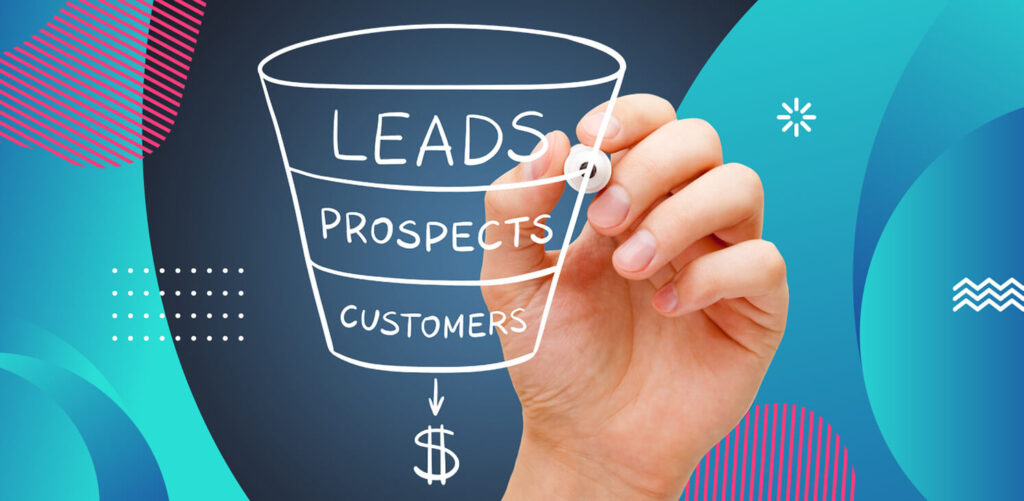
Lead generation is the process of attracting and capturing potential customers who have shown interest in your product or service.
A lead can be:
- Someone who fills out a form
- Someone who downloads a free guide
- Someone who signs up for a demo
- Someone who messages your business
Therefore, lead generation is about starting the customer journey, not closing the deal.
Why the Confusion Exists
The confusion exists because lead generation sits between marketing and sales.
- Marketing brings attention and interest
- Sales converts interest into revenue
Since lead generation connects both stages, people often argue about ownership.
However, understanding roles makes everything clear.
Lead Generation: The Marketing Side
First, let’s look at marketing’s role.
Marketing is responsible for creating demand and attracting potential customers. Therefore, lead generation starts in marketing.
Marketing handles:
- Running ads (Google, Meta, LinkedIn)
- Content marketing (blogs, videos, social posts)
- SEO and organic traffic
- Landing pages and lead magnets
- Email opt-ins and forms
In short:
👉 Marketing generates leads by attracting and capturing interest.
Without marketing, there are no leads to sell to.
Lead Generation: The Sales Side
Now, let’s look at sales.
Sales is responsible for qualifying and converting leads into customers.
Sales handles:
- Contacting leads
- Understanding customer needs
- Answering objections
- Closing deals
- Following up
Therefore:
👉 Sales converts leads into revenue.
However, sales should not waste time on poor-quality leads. That’s why lead quality matters.
So, Is Lead Generation Sales or Marketing?
The correct answer is:
👉 Lead generation is primarily a marketing function that supports sales.
To make it clearer:
- Marketing = Lead creation
- Sales = Lead conversion
However, both teams must work together for success.
Where Businesses Go Wrong
Many businesses fail because marketing and sales work in isolation.
Common problems include:
- Marketing delivers low-quality leads
- Sales ignores or delays follow-ups
- No clear definition of a “qualified lead”
- Poor communication between teams
As a result, both teams blame each other—and growth stalls.
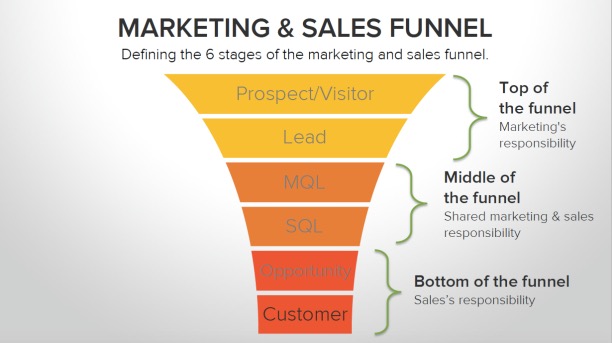
Marketing Qualified Leads (MQLs) vs Sales Qualified Leads (SQLs)
To fix confusion, businesses often use two terms:
Marketing Qualified Leads (MQLs)
- Leads generated by marketing
- Show interest but are not ready to buy
- Need nurturing and education
Examples:
- Downloaded a free guide
- Signed up for a newsletter
- Watched a webinar
Sales Qualified Leads (SQLs)
- Leads ready for sales contact
- Show strong buying intent
- Have budget, need, and urgency
Examples:
- Requested a demo
- Asked for pricing
- Booked a call
Therefore, marketing warms up leads, and sales takes over when they’re ready.
Why Lead Generation Works Best as a Shared Process
Lead generation performs best when marketing and sales are aligned.
This alignment includes:
- Shared goals
- Clear lead definitions
- Feedback loops
- Data sharing
For example:
- Marketing tracks which campaigns produce high-quality leads
- Sales provides feedback on lead quality
- Both teams adjust strategy together
As a result, conversion rates increase and customer acquisition costs decrease.
Lead Generation in Digital Marketing vs Traditional Sales
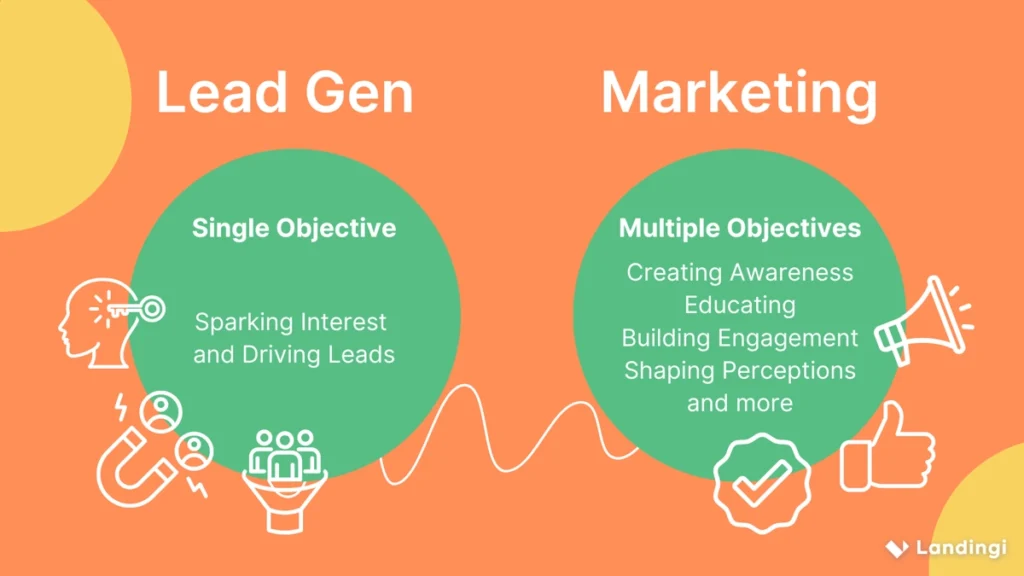
In modern digital marketing, lead generation is more marketing-driven than ever.
Marketing now controls:
- Online funnels
- Automation
- Email nurturing
- Retargeting
Meanwhile, sales focuses on:
- High-intent leads
- Personalized conversations
- Closing and upselling
Therefore, lead generation has evolved into a bridge between marketing and sales and teams increasingly rely on best Linkedin lead generation tools to automate and scale this process.
Simple Example
Let’s look at a real-world example.
Scenario:
An ecommerce or service business runs Meta Ads.
- Marketing creates ads and landing pages
- Users submit their contact details
- Leads enter an email or CRM system
- Sales contacts high-intent leads
Result:
- Marketing fills the pipeline
- Sales closes deals
Both teams win.
Final Answer (Short & Clear)
So, is lead generation sales or marketing?
👉 Lead generation is a marketing responsibility that directly supports the sales process.
Marketing attracts and captures leads.
Sales qualifies and converts them.
When both teams work together, lead generation becomes a powerful growth engine instead of a point of confusion.